Call Dr. Sharma's Clinic - From United States and Canada call 703-659-0873. Patients From rest of the world and India call +91-6283487321

Top 8 Homeopathic Medicines for Acne

homeopathic-medicines-for-acne

Acne, medically termed as acne vulgaris and commonly called pimples, is a skin problem that mainly affects the face and is common among teenagers. Acne is a result of the clogging of pores with dead skin cells and oil (sebum). Though acne usually impacts the face but may also affect the shoulders, upper chest, and back.

Homeopathy offers a safe, natural, outstanding treatment for acne cases. Homeopathic medicines provide huge relief by reducing the production of excessive oil by the overactive sebaceous glands. They also help treat any associated bacterial infection if present.

Action of Homeopathic Medicines in Acne

First, homeopathic medicines obstruct any further progression of acne, along with simultaneous healing. Second, these help relieve pain, itching, and burning sensations in acne. Next, any pus or bleeding from acne is also well controlled with these medicines. Further homeopathic medicines make sure to clear any scars/acne marks present along with the acne. With regular use of homeopathic medicines, the frequency and intensity of acne outbreaks are also cut down gradually.

Holistic Homeopathic Healing

Homeopathy does not work just on the surface of the skin; it goes deep inside to treat acne. For proper treatment, the root cause needs to be identified and addressed. Ointments are commonly prescribed in mainstream medicine that may temporarily reduce inflammation, pain and itching and suppress acne. There is a chance the acne may reappear with more intensity if one stops the medicines. But homeopathy, rather than suppressing the acne, focuses on the root cause and completely relieves the patient of the disease.

Individualized Homeopathic treatment

Homeopathy is the best mode of treatment for acne since it does not have any side effects and always heals in the most gentle and natural way. These medicines are prescribed taking into consideration the cause and type of acne and other associated symptoms after a thorough in-depth analysis of the case. The homeopathic prescription varies from individual to individual. So, it is advised to take homeopathic medicines for acne after consulting a qualified homeopath for the best possible results.

Top 8 Homeopathic Medicines for Acne

The top 6 homeopathic medicines to treat acne are Hepar Sulph, Belladonna, Silicea, Berberis Aquifolium, Kali Bromatum, Sulphur, Pulsatilla and Eugenia Jambosa.

1. Hepar Sulph – Best medicines For Pus-Filled Acne

It is the most frequently used remedy to treat pus-filled acne. Medically, these are called pustular acne. It is a highly reputed medicine with proven effectiveness time and again. Even if there is pricking pain in acne, this is the go-to medicine. Though it works well for people of any age group, it is most suitable for young people. This medicine also offers excellent results in cases of acne that bleeds.

When to use Hepar Sulph?

It is an ideal prescription for treating pimples filled with pus.

 How to use Hepar Sulph?

In the beginning, it is best to use it in a 30C potency one or two times daily.

 2. Belladonna – For Red, inflammed Acne

This naturally obtained medicine is most preferred when pimples are red. Along with the pimples, the face becomes red and shiny. There is increased sweating on the face. Though pimples may surface on any part of the face, they usually appear on the chin and the corners of the mouth, where Belladonna is required.

 When to use Belladonna?

It is a highly preferred medicine for red-colored pimples with a red, flushed face.

 How to use Belladonna?

This medicine can be administered in both low and high potencies. Initially, it is safe to take this in 30C potency two times a day. Potency can be raised after consulting a qualified homeopath.

3. Silicea – For Pus-Filled And Cystic Acne

This remedy is also highly effective for pus-filled pimples and cystic acne (painful, pus-filled bumps forming deep under the skin due to infection and inflammation from blocked pores in the skin). This medicine helps to dry the pus-filled acne, aiding prompt healing. It also works well on pimples that cause an itching and burning sensation that worsens in the daytime.

When to use Silicea?

This medicine is best for those with pus-filled pimples or cystic acne.

How to use Silicea?

This medicine is usually prescribed in 6X potency. Silicea 6X can be administered three to four times daily, depending on the severity of the problem.

4. Berberis Aquifolium – for Acne with Scarring and Pigmentation

 Berberis Aquifolium is a well-administered homeopathic remedy for acne associated with pimply, rough, and scaly skin. It is especially useful when eruptions appear on the scalp, face, and neck. This remedy is indicated in cases of chronic acne with persistent redness, pustules, or inflammatory lesions, often accompanied by irritation and dryness. Berberis Aquifolium also supports the healing of acne marks and post-inflammatory pigmentation, promoting clearer and healthier skin.

 When to use Berberis Aquifolium?

Berberis Aquifolium is indicated in chronic acne with pimples that are rough, scaly, or pustular, often appearing on the face, scalp, or neck.

How to use Berberis Aquifolium?

One can initiate with a 30C potency, once or twice a day.

5. Kali Bromatum – For large, painful, nodular acne

It is the key medicine to treat acne breakouts on the face, chest, and shoulders. It can be used for simple/hardened acne or when acne contains pus. This acne may look bluish red and can be itchy too. It is also an excellent medicine for acne that leaves scars.

When to use Kali Bromatum?

Its use is highly recommended for pimples all over the face, shoulders and the chest. The same goes for pimples that leave scars. In both cases, it is a perfect remedy.

 How to use Kali Bromatum?

One may be prescribed this medicine one to two times a day as per the intensity of the complaint.

6. Sulphur – For Itchy Acne

This medicine is of unmatched value when it comes to treating pimples that turn itchy, particularly at night. Though acne may appear on any part of the face, if it is prominent on the forehead, sulphur is the best remedy. Such pimples may be inflamed and painful to touch. Lastly, it is suitable to treat comedones, commonly called blackheads (the blockage of pores with oil, dead skin cells present on the forehead and the chin).

When to use Sulphur?

This medicine can be mainly administered to treat itchy pimples.

 How to use Sulphur?

Sulphur 30C can be administered once a day and no more. It is a strong medicine, it should be used with caution.

7. Pulsatilla – For Pimples In Young Girls

Pulsatilla is a natural medicine sourced from a plant called ‘wind flower’. It is the most suitable medicine to treat acne in adolescent girls. It is also a leading medicine used mostly to treat acne associated with any sort of menstrual irregularities.

 When to use this Pulsatilla?

This medicine can be used to treat acne in adolescent girls at puberty. And in such cases, acne is linked with menstrual irregularities.

 How to use this Pulsatilla?

This medicine can be administered in 30C potency once a day.

8. Eugenia Jambosa – For Indurated and Hormonal Acne

 Eugenia Jambosa work wonders for simple as well as indurated acne, especially when pimples are painful, tender, and sore around the lesion. It is particularly useful in cases of hormonal acne, where breakouts worsen around the menstrual cycle and may be associated with menstrual irregularities. Eugenia is also indicated in acne rosacea with marked redness and vascular congestion. This remedy helps address deep-seated inflammation, reduces pain and induration, and supports regulation of underlying hormonal imbalance, especially in acne affecting the chin and jawline.

When to use Eugenia Jambosa?

It is administered for painful, tender, and deep-seated acne.

 How to use Eugenia Jambosa?

It can be initiated with 30C potency one to two times daily.

Higher potencies such as 200C, 1M can be used only under the guidance of a qualified homeopath.

Note: You may use any of these medicines for about 2 to 3 weeks. To use them beyond this period, seek consultation from a qualified homeopath. It is also strictly advised not to take high potencies of any of these medicines without consulting a homeopath.

What causes Acne?

The primary cause of acne is the rise in the level of the hormone androgen in the body. Androgen levels rise around the age of adolescence. Androgen activates the sebaceous (oil) glands under the skin and makes them grow bigger and produce excess oil. The hair follicles get plugged with this oil and dead skin cells, giving the bacteria a chance to thrive and cause acne.

Trigger / Worsening Factors For Acne

 Stress: Stress triggers acne. A stressful mind causes hormonal fluctuation that leads to increased production of oil by the sebaceous glands. The result is an acne break-out.

Dietary factors: The relationship between diet and acne is not yet clear, but some evidence supports that certain food products can worsen acne. These are high glycemic products (like white bread) and dairy. High glycemic products break down quickly and are rapidly absorbed, resulting in high blood sugar. The spike in blood sugar levels can lead to inflammation which can cause acne. Also, it can affect hormone levels which, in turn, affect the activity of oil glands in the skin and lead to acne.

Oil-based skin cosmetics: Skin cosmetics which are oil based are also one reason why acne is caused.

Lack of sleep:  Inadequate sleep is linked to acne though it is not directly a cause. Sleep deprivation leads to stress that causes cortisol levels to rise, which in turn makes the skin produce more sebum, resulting in acne.

Hormonal changes, irregular menstrual cycles: In women acne may be a part of PCOS (polycystic ovarian syndrome) along with menstrual problems. So if acne and any menstrual problems occur at the same time, get proper consultation to rule out PCOS

Use of drugs: Cortisone and hormone replacement pills are a few of them which can cause acne.

Gastric issues such as constipation can trigger acne

 Frequently Asked Questions

1. Can adults also get acne?

Acne begins around puberty and gets worse during adolescence. The 12 to 25 years age group is most vulnerable with 80-90 percent chance of getting the disease. Yet, acne before puberty is not unheard of. Also, there are those who continue to suffer this condition way past their teens and through their adult years. Hormonal imbalance is usually the culprit.

2. What makes women more likely to get pimples or acne?

The androgen hormone which mainly causes acne rises during adolescence. In women, however, several other hormonal changes take place during menses, pregnancy, and menopause, all of which have the potential to set off acne.

3. Can the same medicines be used to treat acne in men as for women?

Homeopathy works just as well in men who suffer from acne. What will work for women will work for men too. General medicines like Sulphur, Hepar Sulph and Kali Bromatum are used based on specific symptoms.

4. My mother had acne, does that mean I, too, will have it?

Yes, heredity does influence acne to an extent. A person having a positive family history of acne has an 80 percent chance of getting it. There is also, however, the 20 percent chance that one may not get it. Acne is caused by the enlargement of sebaceous glands under the influence of androgens, mainly during adolescence.

5. Is acne contagious?

Acne is not contagious. In other words, direct or indirect contact with a person with acne or pimples will not pass on the condition.

6. Does acne always cause itching?

Acne can be itchy, but not in every case. Mainly, cystic acne is known to cause itching

7. Can dandruff cause acne?

Dandruff is a condition characterized by flakes on the scalp. Dandruff may arise due to excessively dry or excessively oily scalp. When these flakes shed off and fall on the face, they can clog pores and cause pimples. However, such pimples are mostly found in the forehead region.

8. Will taking vitamin or mineral supplements help manage acne?

Yes, taking vitamins and minerals daily can help manage acne. But they are not substitutes for medicines. They can manage acne, not treat it. Vitamin A, vitamin E and zinc are helpful supplements. These can be taken along with natural medicines, but strictly in doses prescribed by a homeopathic doctor.

9. Will treating blackheads help my condition?

Yes, clearing out blackheads in time can prevent acne. For treating blackheads, homeopathy essentially falls back on medicines, such as Sulphur and Eugenia Jambosa.


Call Dr. Sharma's Clinic - From United States and Canada call 703-659-0873. Patients From rest of the world and India call +91-6283487321

Top 5 Homeopathic Medicines to Treat Unwanted Facial Hair

The growth of unwanted facial hair in medical terms is known as hirsutism. Unwanted facial hair is a condition of an abnormal growth of hair on a woman’s face, especially in the areas that generally do not have hair, for example, on the chin, upper lip, etc. These are not to be confused with the slight, thin, light-colored hair that is present on the face (commonly known as peach fuzz).

Unwanted facial hair is usually coarse, thick, and dark and follows the pattern of hair growth that is present among males. Although this condition is quite common, it can be a source of constant embarrassment, low self-esteem, and distress for some women and may often lead to depression and anxiety. Hirsutism is different from hypertrichosis, which is excessive hair growth anywhere on the body. Unwanted, thick facial hair usually grows on the upper lip, sides of the face and chin. But this condition can also result in hair growth among women on body parts where males usually have hair growth after puberty, like the chest, neck, lower back, thighs, abdomen, and buttocks.

Homeopathic medicine for unwanted facial hair offers a safe, long-lasting treatment that focuses on eradicating it from the root. Homeopathic medicines set right the hormonal imbalance that gradually reduces hair growth on the face. There are different treatments for hirsutism, including cosmetic and medical. Cosmetic treatments may include plucking, waxing, laser hair-removal techniques, electrolysis, etc., but they may irritate the skin if it is continued for a long time. Medications that are recommended in conventional mode for hirsutism are usually antiandrogens or contraceptive pills. These can put the patient at a higher risk of side effects. The best thing about homeopathy is that it is safe and free of side effects to treat facial hair.

Homeopathy sets right the hormonal imbalance

Since facial hair mostly are a result of hormonal imbalance, homeopathy helps correct the hormonal imbalance. Thereby, homeopathy provides excellent results in such cases by treating the core issue. Besides, homeopathy also manages associated problems such as menstrual irregularities, obesity, and hair loss from the head, if these problems are linked to hormonal imbalance.

Individualized medication after detail case analysis

Homeopathic prescription for unwanted facial hair is made after examining all the accompanying symptoms at the physical and emotional levels. Once the symptoms are analysed, proper medication is administered to resolve the condition. Homeopathy helps in treating this condition on a long-term basis. Unwanted facial hair reduces gradually after the onset of the treatment.

No harmful effects

Homeopathic medicines for facial hair never cause any harmful effects. This is due to the fact that the medicines used to treat facial hair are prepared from naturally obtained substances. These work safely and gently to assist in natural recovery.

Top 5 Homeopathic Medicines for Unwanted Facial Hair

The top medicines for treating cases of unwanted facial hair are Oleum Jecoris Aselli, Sepia, Natrum Muriaticum, Thuja Occidentalis and Calcarea Carbonica.

1. Oleum Jecoris Aselli – Best Remedy for Unwanted Facial Hair

Oleum Jecoris Aselli is a very effective remedy to treat abnormal growth of hair on the face of a woman, particularly on the chin and upper lips. The hair on the face is short, dark & thick. This remedy also acts in a potent manner on the female sexual organs. It is used to treat amenorrhoea (absence of periods during reproductive age) and oligomenorrhoea (scanty periods), both of which develop as a result of hormonal imbalance in a female’s body. There may be soreness of both ovaries along with dysmenorrhea (painful menses).

When to use Oleum Jecoris Aselli?

This remedy can be administered as the first line of treatment to treat facial hair on the chin and upper lip.

How to use Oleum Jecoris Aselli?

The use of this medicine is usually recommended in 1X to 3X potency that can be used two to three times a day as per the intensity of the symptom.

2. Sepia – For Unwanted Hair Along With Menstrual Disturbance

Sepia is used to treat unwanted facial hair accompanied by menstrual disturbance, which usually takes place due to hormonal imbalance. The hair growth is noticeable on the chin and upper lip. Usually, the menses are irregular, scanty, late, and painful. Cysts in the ovaries can also be present.

When to use Sepia?

This medicine can be prescribed when facial hair appears on the chin and upper lip along with irregular menstrual cycle.

 How to use Sepia?

It works well in both low and high potency. To begin with, 30C potency is usually preferred to be administered once a day.

3. Natrum Muriaticum – For Unwanted Hair On Upper Lips

Natrum Mur is extensively prescribed to treat unwanted facial hair that grows on the upper lip. An accompanying factor is that the menses may be too early or too profuse, and the flow is usually observed at night. The patient may be anaemic and skinny, with an excessive dryness of the skin. This medicine is also used to treat infertility among females.

When to use Natrum Mur?

It is an excellent medicine for cases of unwanted facial hair on the upper lip with a tendency to early and heavy menses.

 How to use Natrum Mur?

This medicine is usually administered in 6X potency. Natrum Mur 6X can be used two or three times a day.

4. Thuja Occidentalis – For Hair Growth On Face With Excessively Greasy Face

Thuja is another wonderful medicine to treat facial hair. This medicine is administered for cases of hair growth on the face along with very oily, greasy facial skin. There can also be light brown spots on the face. Heated sensation is felt on the face.

 When to use Thuja?

Thuja is a wonderful medicine to treat facial hair in oily/greasy skin on the face. There is also a sensation of heat and accompanying brownish spots.

 How to use Thuja?

Thuja can be used once a day in 30C potency.

5. Calcarea Carbonica – For Unwanted Hair In Obese Women

Calcarea Carbonica is administered to treat unwanted facial hair among females who tend to grow fat/obese. Usually, the patients who need this medicine have a slow metabolism, resulting in the deposition of fat over the body. This can result in hormonal irregularities leading to facial hair and menstrual disturbances. The onset of menses is too early, and it could be profuse. They also last for a longer duration.

When to use Calcarea Carbonica?

This medicine is suited to females who have a tendency to be fat/obese and have growth of hair on their face.

 How to use Calcarea Carbonica?

It is advised to use Calcarea Carbonica 30C once a day.

Causes of Unwanted Facial Hair Growth

Genetics plays an important role in the distribution of hair found on every individual’s body. The color, texture and density of hair differ according to the inheritance & ethnic backgrounds.

Usually, hirsutism arises from an underlying endocrine imbalance, which can be adrenal, ovarian or central. Male hormones called androgens, like testosterone, are produced in both male and female bodies. Among women, compared to males, the androgens are lower. When the level of androgens in women rises too much, it leads to the growth of unwanted facial hair.

Factors that lead to Increased Production of Androgens

1. Hormonal Imbalance: When a girl reaches puberty, her ovaries begin to produce both male and female sex hormones. This leads to a growth of hair in the armpits and pubic areas. Hirsutism occurs if the ratio of the hormones becomes imbalanced and an excessive amount of male sex hormones is produced. Hair growth on the face due to hormonal imbalance is one of the most common side effects of androgens.

2PCOS (Polycystic Ovarian Syndrome): This is the most common condition caused by the imbalance of sex hormones resulting in dark and thick unwanted facial hair, irregular periods, multiple cysts in the ovaries, obesity and infertility.

3Sensitivity of Hair Follicles to Androgens: Male hormones (like testosterone) stimulate hair growth, cause an increase in the size of the hair and intensify its growth and pigmentation. If the hair follicles become sensitive to androgens, it may result in the growth of thick, dark hair on the body of a female, in places where hair usually does not grow.

4Congenital Adrenal Hyperplasia: This condition is usually inherited. Typically, there is dysfunction of the adrenal gland (gland above the kidney which produces hormones). This dysfunction elevates the stress hormone levels, including cortisol and androgens. As a result, a hormonal imbalance may occur, which results in the growth of unwanted facial hair.

5. Tumors: If there is any androgen-secreting tumor in the ovaries or the adrenal glands, it can cause overproduction of androgens. As a result of the androgen imbalance, facial hair may grow. Though it’s a rare condition, it causes a severe effect.

6Cushing’s Syndrome: It is primarily a disease of the adrenalin gland and affects the body if one has been exposed to high levels of cortisol hormones, which in turn hinders the functioning of the adrenalin gland. There can be an imbalance in the ratio of the male and female hormones. The condition causes bloating and sudden weight gain around the face, neck, and abdominal area. People having Cushing’s syndrome will usually have thicker & visible body & facial hair.

7. Side-effects of Certain Medications: Certain medications may cause hirsutism, particularly a side effect of androgen therapy.

8. High Levels of Insulin: High insulin levels can stimulate ovarian cells to produce more androgens and lead to unwanted facial hair growth.
If nothing is detected, the condition is called idiopathic hirsutism.

 Contributing Factors

There can be different factors that could cause unwanted facial hair, like:

Family history: Congenital adrenal hyperplasia and polycystic ovarian syndrome may run in families. A positive family history must be ruled out during the diagnosis, as this could be a reason for unwanted facial hair.

Obesity: There is an increased production of androgens among obese women, which may lead to the growth of unwanted facial hair. It can also worsen the problem.

Ancestry: Although no cause has been verified for this, usually, women of Middle Eastern and South Asian descent are at a greater risk of developing unwanted facial hair.

Attending Signs And Symptoms

Several symptoms may arise along with unwanted facial hair. These are usually linked to increased production of androgens. These include irregular menstrual cycle, oligomenorrhea ( scanty menses ), amenorrhoea ( absence of menstruation), deepening of the voice, acne ( usually on cheeks, chin & nose), obesity around the mid-abdomen, loss of hair from the head, a decrease in breast size, an increased muscle mass and enlargement of the clitoris.

Frequently Asked Questions

1. Is unwanted facial hair always related to hormones?

Not always. While hormonal imbalance is a common cause, genetics and familial tendency can also play a major role.

2. Does shaving make facial hair thicker or darker?

No. Shaving does not increase hair thickness or growth rate. Hair may feel coarser initially because it grows back with a blunt edge.

3. Can stress increase facial hair growth?

Yes. Chronic stress can disrupt hormonal balance, which may contribute to increased facial hair growth in some individuals.

4. Which body parts are commonly affected by hirsutism?

The face (upper lip, chin, sideburns), chest, lower abdomen, back, and inner thighs are commonly affected areas.

5. Is hirsutism different from normal body hair?

Yes. Hirsutism refers to hair growth in women, similar to that in men, whereas normal body hair is usually fine and light.

Does unwanted hair growth affect fertility?

The hair growth itself does not affect fertility, but underlying conditions like PCOS may influence reproductive health.

7. Can lifestyle changes help reduce hirsutism?

Yes. Weight management, regular exercise, a balanced diet, and stress reduction can help improve hormonal balance.

8. Are homeopathic medicines safe for long-term management of unwanted hair?

When prescribed by a qualified homeopath, medicines are generally safe and non-habit forming.

 9. How does homeopathy work in cases of unwanted hair growth?

Homoeopathy works by correcting internal imbalances such as hormonal, metabolic, or constitutional disturbances that contribute to excessive hair growth.

10. Does homeopathy also improve associated symptoms like acne or irregular periods?

Yes. Since homoeopathy has a holistic effect, it addresses the underlying hormonal and metabolic imbalances, often leading to improvement in associated symptoms such as menstrual irregularities, skin health, acne, and overall hormonal balance, rather than treating each symptom in isolation.


Call Dr. Sharma's Clinic - From United States and Canada call 703-659-0873. Patients From rest of the world and India call +91-6283487321

Top 11 Homeopathic Medicines That Can Help Avoid Varicose Vein Surgery

Varicose veins refer to twisted, enlarged or engorged veins. Varicose veins can develop in any part of the body. But most commonly, they are seen in the legs and the feet. Varicose veins in the legs develop as a result of the pooling of blood due to improper functioning of the valves in the veins.   homeopathic medicines for varicose veins

Homeopathy provides highly effective and safe treatment for varicose veins. Homeopathic medicines effectively help manage their symptoms like cramping, pain, tiredness, and a feeling of heaviness in the legs. They also strengthen the valves of the veins in the legs, reducing blood engorgement and offering symptomatic relief. One of the biggest benefits of using these medicines is that they cause no side effects. These medicines are obtained through natural substances and are highly diluted, yet potent, and they work to prevent the back-flow of blood in the veins.

 Gentle and Non-Invasive Treatment

The conventional treatment for varicose veins usually involves techniques like laser surgery, sclerotherapy, endoscopic vein surgery, and endovenous ablation therapy. Despite an invasive surgery, the chances of recurrence of the problem are high. On the other hand, homeopathy treats varicose veins gently and prevents surgical interventions in most of the cases that are mild to moderate.

 Homeopathy Boosts Self-Healing Mechanism

Homeopathic medicines help restore the internal healing process of the body. This helps address the medical condition naturally. Unlike conventional treatment, homeopathy offers long-term relief from varicose veins. Once homeopathic treatment has been successfully administered, the chances of the condition recurring are rare or may be none.

Individualized Treatment

Homeopathic prescription for varicose veins is done based on the law of individualization. This means the characteristic symptoms in every individual case are studied in detail to decide the prescriptions. Such individualized medicines work best to treat varicose veins. There is a huge scope to treat mild to moderate cases of varicose veins in homeopathy. However, severe cases and cases that have associated complications require conventional treatment as homeopathy has its own limitations.

Top 11 Homeopathic Medicines for Varicose Veins

The top eleven homeopathic medicines for varicose veins include natural medicines like Hamamelis Virginiana, Pulsatilla Nigricans, Calcarea Fluorata, Fluoricum Acidum, Arnica Montana, Carbo Vegetabilis, Calcarea Carbonica, Vipera Berus, Lachesis Muta, Sepia Officinalis and Ferrum Metallicum.

1. Hamamelis Virginiana – Most Useful Medicine for Varicose Veins

Hamamelis Virginiana is prepared from a plant commonly named “witch–hazel”. This plant belongs to the family Hamamelidaceae. It is a very effective medicine to reduce engorgement of blood in veins in cases of varicose veins. Its most prominent indication is aching or fatigue in the legs. Along with this, a tense feeling in the legs may be observed. The varicosities may look like hard and knotty swellings in the legs. A dragging sensation in the legs may accompany. Pain in varicose veins from the slightest motion is another key symptom. Soreness of varicose veins may also arise. Hamamelis Virginiana can help to reduce the engorgement of blood in veins and its related symptoms. Deep-rooted, circular ulcers with stinging, pricking pain and high sensitivity are other prominent features to use the homeopathic medicine Hamamelis Virginiana.

When to use Hamamelis Virginiana?

This remedy is mostly recommended to manage varicose veins if one reports aching and a feeling of fatigue in the legs along with pain from the slightest movement by reducing engorgement of blood in the veins.

How to use Hamamelis Virginiana?

One may be prescribed this medicine in 30 C potency one to three times daily, depending on the intensity of the pain.

2. Pulsatilla Nigricans – For Painful Varicose Veins

Pulsatilla Nigricans is administered for varicose veins among women when the symptoms worsen during menses and for the lower limbs, the forearms, and the hands. The veins are painful, swollen and congested. Patients who require these medicines have marked tiredness in the legs, especially due to prolonged standing. Varicose veins associated with mild edema of the feet and ankles are also wonderfully treated with Pulsatilla.

When to use Pulsatilla Nigricans?

It is a wonderful medicine for varicose veins if there is drawing pain, or cramping that aggravates from hanging down limbs while sitting.

How to use Pulsatilla Nigricans?

It is administered in 30 C potency one to two times a day for best possible results.

3. Calcarea Fluorata – For Hard, Knotty Varicose Veins

Calcarea Fluorata is a highly recommended remedy for varicose veins. It is a biochemic medicine for varicose veins that works wonderfully in reducing the engorgement of blood in veins and improving blood circulation. A few indications for using Calcarea Fluor are enlarged veins, hardened veins, and knotty veins on lower limbs. The accompanying features are cracked and dry skin on the legs.

When to use Calcarea Fluorata?

One may use it in cases of hard, knotty veins on the legs that can be accompanied by cracked and dry skin on the legs.

How to use Calcarea Fluor?

Its use is preferred in 6X potency and can be administered three to four times a day.

4. Fluoricum Acidum – For Varicose Veins Worsened By Warmth

Fluoricum Acidum is a valuable medicine for the treatment of varicose veins. The most characteristic feature of using Fluoric Acid is painful varicose veins in the legs that worsen due to warmth. Fluoric Acid is used to treat long-standing, obstinate cases of this disease. Apart from the above mentioned symptoms, Fluoric Acid is useful for varicose ulcers with red margins. Pain in ulcers is severe, and warmth worsens the pain while cold application provides relief.

When to use Fluoricum Acidum?

Fluoric Acid is a very suitable medicine to treat varicose veins on the legs when the condition aggravates from any kind of warm application externally. Besides, it is also beneficial to manage varicose ulcers that have red borders attended with pain.

How to use Fluoricum Acidum?

Among various available potencies of Fluoric Acid, the best is to begin with 30C potency that can be administered one to two times daily depending on the intensity of the problem.

5. Arnica Montana – For Varicose Veins with Soreness in Legs

Arnica Montana is prepared from the plant ‘Leopard’s Bane’ which belongs to the natural order Composite. Arnica Montana is a valuable medicine for varicose veins with extreme soreness as an accompanying factor. One has a fear of touching the legs due to soreness. Exertion makes the complaint worse. An aching, bruised sensation in the legs is also felt in some cases. A bruised feeling in the legs — feeling beaten — may also be present. The skin of the legs may also be swollen, red, and hot.

When to use Arnica Montana?

This medicine can be prescribed for managing varicose veins accompanied by marked soreness. One also feels the pain on being touched.

How to use Arnica Montana?

It is most commonly used in 30 C potency. Arnica 30C can be used two or three times a day.

6. Carbo Vegetabilis – For Spider Veins

Carbo Vegetabilis is a prominently indicated remedy for spider veins. The veins appear reddish-blue. The skin feels sweaty and cold, and the person may experience itching that aggravates during the evenings. Varicose ulcers that bleed easily also indicate the need to administer Carbo Veg.

 When to use Carbo Vegetabilis?

It is a highly recommended medicine for spider veins with a reddish-blue appearance.

How to use Carbo Vegetabilis?

It has proven to be effective in 30C power that can be administered one to two times daily.

7. Calcarea Carbonica For Painless Varicose Veins

Calcarea Carb is an excellent remedy for varicose veins. It is useful for varicose veins that are painless and appear only as prominent veins on the legs. Burning sensations in the veins may be present in a few cases. A marked coldness in the feet, excessive sweat on the feet (sour-smelling), and varicose veins on the legs and thighs are treated quite well with Calcarea Carb.

When to use Calcarea Carbonica?

This medicine can be used in cases of varicose veins without any sort of pain.

How to use Calcarea Carbonica?

This medicine can be administered in 30C potency only once a day.

8. Vipera Berus For Varicose Veins with Bursting Sensation in Legs

Vipera Berus is a well-indicated remedy for varicose veins with a marked ‘bursting’ feeling in the legs. There is pain of an unbearable nature that worsens when one hangs down the legs. Elevating the legs brings about relief. Severe cramping pain in the legs is also present. Swollen, tender veins and blueness of overlying skin are highly indicative of using the medicine Vipera Berus.

When to use Vipera Berus?

Vipera Berus can be administered in cases of varicose veins where there is a prominent bursting sensation and the pain in the legs aggravates, particularly when one hangs the legs down and when one elevates the legs, the pain starts reducing.

How to use Vipera Berus?

It should be used in infrequent doses like one dose once or twice a week in 30C power.

9. Lachesis Muta For Varicose Ulcers

Lachesis Muta is an important medicine for treating varicose ulcers. The patients who need Lachesis Muta have ulcers with bluish-purplish surroundings. There is a thin, offensive discharge from the ulcers. Pus discharges may also be present in a few cases. Bleeding may arise from the ulcers, and an intense burning sensation may be felt. There is extreme pain and high sensitivity when one touches the ulcer. Applying warmth to the ulcers helps provide relief. Itching that gets noticeably worse after sleeping is another key symptom.

When to use Lachesis Muta?

Lachesis is a wonderful choice of medicine indicated for managing varicose ulcers having bluish-purplish margins with a thin, offensive discharge accompanied by a burning sensation.

How to use Lachesis Muta?

It is a strong medicine; therefore, it should not be taken frequently. It should be administered in 30C potency, one dose and once a week only.

10. Sepia Officinalis For Varicose Veins During Pregnancy

Sepia Officinalis is especially useful in varicose veins for women, particularly during pregnancy, after repeated childbirth, or at menopause. The veins are distended, painful and bluish, with a feeling of heaviness and bearing down pain in the lower limbs. Among the patients who need this medicine, the disease aggravates due to standing for long hours and it gets better by exercise or by crossing the legs. Varicose veins are often associated with uterine weakness and pelvic congestion.

When to use Sepia Officinalis?

Veins are distended, bluish, and painful, with marked heaviness and bearing-down sensation in the lower limbs. Complaints get worse from prolonged standing and they get better by walking or crossing the legs.

How to use Sepia Officinalis?

It is recommended in 30C potency once a day or on alternate days, while 200C may be given only once a week, with repetitions reduced as improvement sets in. However, always take advice from a qualified homeopath before using the medicines.

11. Ferrum Metallicum For Varicose Veins Associated with Weakness and Anemia

Ferrum Metallicum is another useful medicine to treat varicose veins associated with weakness and anemia. The veins appear prominent and painful, with flushes of heat, yet the patient feels weak and easily fatigued. Symptoms aggravate due to walking or exertion, and limbs may be cold with congestion. Varicose veins associated with low vitality and poor blood circulation are very well treated with this medicine.

When to use Ferrum Metallicum ?

This medicine is administered in varicose veins to anemic and debilitated patients with weak circulation. The veins are prominent and painful, fatigue comes easily and extremities or limbs are cold.

How to use Ferrum Metallicum?

It may be administered in 6X potency two times daily for supportive treatment or in 30C potency once a day and 200C once a week, under the guidance of a qualified homeopath.

Symptoms of Varicose Veins

Varicose veins may not cause any symptoms in most of the cases and only appear as dark/purple-colored prominent veins in the legs. General symptoms include feeling tired, aching, or feeling of heaviness in the legs, throbbing and cramping in the legs, and worsening of pain from sitting or standing for long periods.
Color changes, swelling/inflammation, and ulcers on the legs may be indicative of intense changes like phlebitis (inflammation in a vein) and venous ulcers and should be addressed promptly.

Spider Veins are Not Varicose Veins

Spider veins are dilated clusters of tiny (less than 1mm diameter) superficial blood vessels developing close to the surface of the skin. They are also called telangiectasias. Spider veins appear as thin, red, blue, and purple lines or as web-like networks of blood vessels on the surface of the skin. These look like a spider’s web. They mostly appear on the face, legs, and feet. They don’t usually cause any problems and are mainly considered to be a superficial issue. These are generally common in older adults.

Varicose Veins How Do They Develop?

The veins in our legs contain one-way valves. These valves of the veins allow only one-way blood flow (from the legs to the heart) when the muscles squeeze the veins in the legs. When the muscles contract, the valves open and blood from the legs pushes upwards to reach the heart. When these muscles relax, the valves close to prevent the reverse flow of blood back into the legs. In case these valves dont function properly, it results in a reverse flow of blood and stagnation of blood in the leg. This causes the veins to become twisted, enlarged, and engorged, and they are known as varicose veins.

Factors that Contribute to Varicose Veins

1. Obesity: Obese people often develop varicose veins without any knowledge, as the veins arenot visible beneath the layersof the skin (due to accumulated fat). With time, the pressure from the leaking veins causes damage to the surface of the skin, and the problem becomes visible. This also puts many overweight people at a higher risk of developing leg ulceration.

2. Standing/Sitting for a Long Time: Sitting or standing for long durations leads topoor blood circulationin the legs. When we sit, it becomes harder for the veins to move the blood to the heart. Over time, this can cause swelling in the ankles, blood clots, and varicose veins. Sitting with the legs crossed or bent for long durations can aggravate the problem.

3. Old Age: With age, the veins lose elasticityand cause them to stretch. This causes the valves in the veins to become weak. As a result, the blood that should be moving towards the heart starts flowing downwards.

4. Pregnancy: During pregnancy, it is very common for a woman to develop varicose veins since the volume of bloodin the bodyincreases, but overall, the flow of blood from the legs to the pelvis decreases. Varicose veins often develop or worsen during the later stages of pregnancy since the uterus starts to exert increased pressure on the veins in the legs. This condition often improves post pregnancy within three to twelve months.

5. Age: The chances of developing varicose veins increase with age. Aging causes the wearandtear of the valves in the veins, allowing blood to flow back into the veins where it gets collected.

6. Gender: Females are more likely to develop varicose veins due to hormonal changesthey undergo throughout their lifetime. Pregnancy, pre-menstruation, menopause, hormone replacement therapy, and the use of birth control pills all cause hormonal changes in a woman’s body. Female hormonesare known to relax the walls of the veins.

7. Family History: A family history of varicose veins makes a person more prone to develop this condition.

Complications Related to Varicose Veins

1. Bleeding: Veins that are close to the skinmay rupture and bleed. The bleeding may take place spontaneously or result from a minor injury.

2. Venous Ulcers: A venous ulcer is apainful sorethat develops on the skin of the inner side of the leg, immediately above the ankle in case of varicose veins. Swelling of the ankle, leg, and heaviness felt in the legs, foul-smelling discharge from the ulcers, burning sensation, itching, and pain of varying severity may be felt. A high fever may also be present in cases of infection.

3. Varicose Eczema: Varicose eczema (also known as stasis / gravitational eczema) is another complication of varicose veins. It affects the lower legs, where the skin gets dry, itchy, red, scaly, and flaky.

4. Superficial Thrombophlebitis: Superficial thrombophlebitis refers to an inflammation of the vein near the surface of the skin caused by a blood clot.

5. DVT (Deep Vein Thrombosis): Deep vein thrombosis (DVT) refers to the development of a blood clot withina vein deep inside the body (usually in the leg). DVT may lead to severe complications like pulmonary embolism (when blood clots in veins break and travel via the bloodstream to lodge in the lungs), which is an emergency condition that requires immediate medical intervention. Common symptoms of pulmonary embolism include sudden shortness of breath, dizziness, chest pain, rapid pulse, and spitting of blood.

Lifestyle Management for Varicose Veins

A few lifestyle modifications that help in managing varicose veins:

1. Physical activity and non-exerting exercises – Regular short-distance walks and taking regular breaks in between help in calf muscle strengthening and improving venous circulation in the legs.

2. Leg Elevation – Elevating your legs for 15-20 minutes three to four times a day helps in reducing venous congestion and also in reducing swelling and heaviness in legs.

3. Weight Management – Being obese or overweight puts additional pressure on the veins of the legs; therefore, reducing weight helps in improving blood circulation and managing symptoms.

4. Compression Therapy – Wearing compression stockings helps in supporting veins and improving circulation. Slowly, they help in managing symptoms such as pain, swelling and heaviness.

5. Clothing and Footwear – Avoid tight clothing, especially around the waist, thighs, and legs, and avoid high-heeled shoes that will naturally help calf muscles function better.

Frequently Asked Questions

1. Are varicose veins dangerous?

In early stages, they are usually not dangerous, but if ignored, they can lead to skin discoloration, ulcers, eczema, or, in rare cases, might even lead to blood clots. Timely treatment helps prevent complications.

2. Can varicose veins resolve on their own?

Varicose veins usually do not disappear completely on their own. However, symptoms can improve with lifestyle modifications, exercises, elevation of legs, and proper treatment.

3. Is walking good for varicose veins?

Yes. Regular walks improve blood circulation in the legs and reduce swelling and heaviness. It is one of the best natural exercises for varicose vein patients.

4. Does standing or sitting for long periods aggravate varicose veins?

Yes. Staying in one position for a long time increases pressure in leg veins and worsens symptoms. Taking short breaks and moving the legs is very helpful.

5. Can varicose veins be prevented?

They can be prevented or slowed by maintaining regular exercise, a healthy weight, avoiding prolonged standing, elevating legs, and wearing comfortable footwear.

6. Is surgery the only treatment for varicose veins?

No, not always. Several patients improve with conservative management like lifestyle correction, compression stockings, and medical treatment. Surgery or procedures are needed only in advanced cases.

7. Can varicose veins recur after treatment?

In some cases, they may recur, especially if the lifestyle is not corrected. Following medical advice and regular follow-up reduces recurrence.

8. Are varicose veins common during pregnancy?

Yes. They are common due to hormonal changes and the pressure of the growing uterus. In many women, veins improve after delivery.

9. When should I consult a doctor?

You should consult a doctor if there is persistent pain, swelling, a change in skin color, itching, wounds that do not heal, or sudden worsening of veins.

10. Can homeopathy help with varicose veins?

Yes. Homeopathy can improve blood circulation, strengthen veins, reduce pain and swelling, and prevent further progression when taken regularly under proper guidance.

11. Will homeopathic medicines shrink the veins?

In early stages, veins may reduce in size and symptoms improve significantly. In chronic or advanced cases, visible veins may not disappear completely. However, discomfort and complications can be controlled.


Call Dr. Sharma's Clinic - From United States and Canada call 703-659-0873. Patients From rest of the world and India call +91-6283487321

Top 8 Natural Homeopathic Remedies for Pilonidal Cyst

 Homeopathic Remedies for Pilonidal Cyst

Pilonidal Cyst is the formation of a cyst at the cleft of the buttocks near the tailbone. The term Pilonidal means ‘nest of the hair’. The pilonidal cyst contains skin and hair debris. It develops when hair penetrates the skin due to friction, and the body that considers it as a foreign substance, forms a cyst around it. The cyst can get infected, get filled with pus, and form an abscess. A pilonidal sinus is formed when a tract begins from the infected cyst, and opens on the surface of the skin.

Gentle Homeopathic Care for Pilonidal Cyst

Homeopathy provides perfect treatment for cases of pilonidal cyst/sinus. These medicines help manage its symptoms like swelling, pain, itching and supports absorption of the pus discharge from the pilonidal sinus. It follows a curative approach to treat Pilonidal Cyst, rather than just provide initial relief from the symptoms. They help in dissolving the cyst. Homeopathy provides treatment for recent, long term as well as recurrent cases of pilonidal cyst. Under the conventional mode of treatment, a surgical incision of the Pilonidal Cyst is advised (which is painful, and temporary, and the cyst may recur even after surgery). However, homeopathy is a safe and efficient alternative treatment process. These cases respond exceedingly well to natural homeopathic treatment that treats it in a very safe and gentle manner and prevents the need for surgical procedures.

Individualized treatment

There are several medicines in homeopathy that helps treat cases of Pilonidal Cyst, but the prescription varies from one person to the other. The medicine selection is based on symptoms presenting signs and symptoms in every individual case. Such individualized treatment proves very effective and gives best possible results.

Homeopathy promotes self-healing

Our body has an inbuilt self-healing process that can heal health issues naturally. Homeopathic medicines boost the body’s self-healing powers to fight the infection.

Safe and natural medicines

Homeopathy uses natural medicines in treating Pilonidal Cyst cases which is its biggest strength since it has zero side effects. Homeopathic medicines do not contain any harmful chemicals. Therefore, no immediate or long term side effects are felt by using homeopathic medicines.

Top 8 Homeopathic Medicines for Pilonidal Cyst/Sinus

In the list of therapeutic medicines for treating Pilonidal Cysts, the top-rated homeopathic medicines are Silicea Terra, Myristica, Hepar Sulph, Calcarea Sulphurica, Calendula, Mercuris Solubils ,Phosphorus and Sulphur. 

1. Silicea Terra – Top Remedy For Pilonidal Cyst

Silicea is the most prescribed medicine for Pilonidal Cyst. It is usually the doctor’s first choice of medicine to treat such cases. This medicine is helpful when a cyst is present in the buttock cleft, and also in the case of the pilonidal sinus with pus discharge. The pus discharge may be very smelly and fetid. The pus may be scanty or copious, thin, watery, or thick, jelly-like, and sticky. Hardness, and swelling at the cleft of the buttock are also present. Itching may also appears mostly in the daytime. Silicea helps reduce the swelling and aids the expulsion of hair and pus from the cyst.

When to use Silicea?

Silicea can be administered in cases of pilonidal cyst/sinus with passage of pus discharge whether scanty or copious that may be foul smelling.

How to use Silicea?

Its use is mostly preferred in 6X potency that can be repeated up to four times daily.

2. Myristica Sebifera – Effective in Pilonidal Sinus with pus discharge

‘Myristica Sebifera’ is of great value when it comes to curing pilonidal sinus with pus discharge. This medicine hasten the process of suppuration (pus formation) and aids in complete recovery. Myristica speeds up pus discharge from the sinus and reduces the time of complete recovery. Its use prevents surgical intervention in most of the cases of pilonidal sinus. Apart from Pilonidal Cysts, Myristica works wonders in treating suppurative diseases like abscesses, boils, carbuncles, and anal fistula.

When to use Myristica Sebifera?

This medicine is highly recommended in cases of pilonidal sinus to hasten pus discharge from sinus and shortens the recovery period.

How to use Myristica Sebifera?

The prescription of this medicine differs depending from one case to another. Low potencies like 30C can be administered two to three times a day. The use of high potency like 200C should be restricted to once daily.

3. Hepar Sulph – For Pilonidal Cyst With Pain And Pus Formation

Hepar Sulph is administered when there is pain in the cyst along with the formation of pus due to an infection. However, the pus isn’t in the stage of oozing yet. The pain is beating, throbbing, stinging, or pricking in nature. Hepar Sulph aids the drainage of pus from the cyst. Once pus begins to come out there is relief from the pain. The pus discharge is mostly blood-stained and watery. It has an offensive odour and appears like old cheese coming out from the pus. The skin above the cyst is highly inflamed, and hot. It is also very sensitive and sore to touch. In a majority of the cases, the pain aggravates at night. Exposure to cold air also aggravates the pain in some cases.

When to use Hepar Sulph?

It is mostly administered for managing throbbing, stinging, pricking, beating type of pains in the pilonidal cyst and also when there is watery blood-stained pus discharge from the pilonidal sinus.

How to use Hepar Sulph?

This medicine can be administered in 30C potency one to three times daily.

4. Calcarea Sulphurica – For Pilonidal Cyst With Yellow Pus

Calcarea Sulphurica is a very effective medicine for Pilonidal Cyst when pus discharge has started oozing from the opening. The pus is yellowish. The discharge is thick, and lumpy and may carry some bloody bits in some cases. Calcarea Sulph hastens pus discharge and aids the effective healing of the cyst.

When to use Calcarea Sulphurica?

Calcarea Sulph is a very effective medicine for managing thick, yellowish lumpy sometimes blood-stained pus discharge from pilonidal sinus.

How to use Calcarea Sulphurica?

Usually its biochemic form in 6X potency is administered in most of the cases. Calcarea Sulph 6X can be used twice or thrice daily.

5. Calendula – For Sore, Painful Pilonidal Cyst And Pus Discharge

Calendula is a natural herbal homeopathic medicine that can be prescribed when the infected area over the buttock cleft is sore, and painful along with the pus discharge. One feels pain as if the affected area has suffered a beating. The area surrounding the pus discharge point is red. There may be fever with stinging pain in the cyst. Complaints worsen at night. It is a great healing agent that heals skin infections with marked brilliance.

When to use Calendula?

One can consider its use for cases of painful, sore pilonidal cyst with pus discharge accompanied by redness around the point of the discharge of pus.

How to use Calendula?

It can be used in both low and high potencies among which the most commonly used is 30C potency once to thrice daily, depending on the intensity of the symptoms.

6. Mercurius Solubilis – For Pus Discharge with Burning, Stinging Pain

Mercurius Solubilis is administered when pus releases from the cyst, accompanied by burning and stinging pain. The pus discharge is profuse, greenish in color, and may be blood-stained and sticky. The affected area is painful and sore to touch. Itching may also be an accompanying factor. An increased amount of offensive sweat on the body is present. The symptoms get worse at night, and warmth tends to aggravate all these symptoms.

.When to use Mercurius Solubilis?

It is the best choice of medicine to treat pilonidal sinus cases with pus discharge attended by stinging and burning pains. Pus is greenish, sticky and blood stained.

How to use Mercurius Solubilis?

It provides remarkable results in 30C potency that can be administered one to two times daily.

7. Phosphorus – For Pilonidal Cyst with Bloody Discharge

Phosphorus is recommended when the discharge from the cyst is bloody. The blood is thin and profuse. Burning sensation in the surrounding skin may also surface. Phosphorus is a wonderful anti-hemorrhagic remedy. It helps in controlling the bloody discharge and also contributes towards healing the Pilonidal Sinus. It is also useful in those cases where healing has taken place in the past, and the problem has arisen again with a bloody discharge.

When to use Phosphorus?

This medicine can be administered for managing Pilonidal Cyst with bloody discharge.

How to use Phosphorus?

Phosphorus 30C can be used once or twice times daily.

8. Sulphur– for Chronic and Non-Healing Pilonidal Cyst

Sulphur is administered in pilonidal cyst or sinus when the surrounding skin appears dry, unhealthy, and prone to irritation, with a tendency for even minor injuries to suppurate. There is noticeable itching and burning sensation around the natal cleft that aggravates from warmth, scratching, sweating, or washing. The skin may show excoriation, cracks, or small pustular eruptions, especially in the skin folds, with delayed or imperfect healing. Sulphur is particularly useful in recurrent or chronic pilonidal sinuses, especially when complaints flare up in damp, warm weather or after the use of local applications that have suppressed normal healing.

When to use Sulphur?

Sulphur works well in pilonidal cyst or sinus when the condition is chronic or recurrent, with poor healing and a tendency to repeated suppuration.

How to use Sulphur?

It can be initiated in 30C potency once a day.

Signs and Symptoms of Pilonidal Cyst/Sinus

Sometimes Pilonidal Cysts do not give out any overt signs or symptoms. However, if it gets infected the following signs and symptoms may appear:

1. A dimple or swelling, and pain in the cleft of the buttocks. The size of the cyst may be small or However, the cleft of the buttocks is the major location where ‘Pilonidal Cyst’ forms. It may, rarely, form in some other areas as well like the armpit, between the fingers, cheek, navel, or genital area.

2. When this dimple gets infected a cyst is formed (a fluid-filled sac) that may turn into an abscess (pus-filled lump).

3. Itching, redness, and tenderness in the swollen

4. Discomfort while sitting also arises from this

5. Formation of sinus tract/holes in the The sinus tract is a channel that starts from the source of infection and opens on the surface of the skin. Drainage of pus or blood from the ‘Pilonidal Sinus.’ The pus may be whitish or yellowish or may have an offensive odor.

6. Hair protruding from the affected area may be

7. Tiredness, nausea and low-grade fever may also appear along with the above features in some cases.

Pilonidal Cyst and Its Causes

The exact cause of the Pilonidal Cyst is not clear. But a theory states that initially, loose hair penetrates the skin of the cleft between the buttocks. Friction (as from riding a bicycle) or rubbing makes the hair go deep into the skin. The body, considering this hair to be a foreign article, forms a cyst around it to push it out from the skin. If left untreated this cyst may lead to an abscess (pus-filled lump) or it may break open, and form a tract that emerges on the surface of the skin (which is called a Pilonidal Sinus). However, as per another theory, the trauma to the area between the buttocks is what may create this cyst.

Risk factors

Though anyone can suffer from a Pilonidal Cyst but there are certain factors that increase the risk of a Pilonidal Cyst as follows:

1. Excessive body hair (especially thick and stiff) on the

2. Inactive lifestyle, excessive sitting (as office workers, drivers) that puts pressure on the coccyx area.

3. The age group most prone to developing a Pilonidal Cyst is between 20–35

4. Pilonidal Sinus is more common among men compared to Men are three to four times more likely to get Pilonidal Cyst than women.

5. Having a family history of Pilonidal Cyst (if thick, rough body hair runs in the family).

6. Having congenital Pilonidal

7. Excessive

How to Diagnose Pilonidal cyst/sinus?

A pilonidal cyst is diagnosed mainly on the basis of history and physical examination. On inspection, midline pits, openings, or inflamed nodules may be seen, sometimes with pus, blood-stained, or foul-smelling discharge. Tenderness and local warmth suggest active infection or abscess formation. Imaging studies such as ultrasound or MRI are advised only in recurrent, chronic, or complicated cases to determine the depth and branching of sinus tracts.

Complications of Pilonidal Cyst/sinus:

1. Recurrent acute abscesses with intense inflammation and suppuration.

2. Surrounding cellulitis with local edema, erythema, and tenderness.

3. Delayed or impaired wound healing with fibrosis and scar formation.

4. Extension of infection to deeper tissues, rarely causing necrotizing infection.

5. Formation of multiple branching sinus tracts and lateral secondary openings.

6. Systemic infection (fever, sepsis) in severe untreated cases.

Frequently Asked Questions

 1. Can a pilonidal cyst heal on its own?

Small, non-infected cysts may remain asymptomatic, but infected or recurrent pilonidal cysts usually do not heal permanently without proper treatment.

2. What is a pilonidal sinus?

A pilonidal sinus is a small tunnel under the skin that connects the cyst to the skin surface, often causing recurrent discharge and infection.

3. Is surgery always required for pilonidal cyst?

No. Early, mild, or uncomplicated cases may be managed conservatively. Surgery is considered for chronic, recurrent, or complicated cases.

4. Can pilonidal cyst recur after treatment?

Yes, recurrence is common, especially if preventive measures like hair removal, hygiene, and avoiding prolonged sitting are not followed.

5. Is pilonidal cyst contagious?

No. It is not contagious and cannot spread from person to person.

6. What is the difference between a pilonidal cyst and an abscess?

A pilonidal cyst is a sac under the skin, while an abscess occurs when the cyst becomes infected and filled with pus, causing increased pain and swelling.

7. ​Can pilonidal cyst occur again after surgery?

Yes. Recurrence can occur if hair re-enters the skin or proper post-operative care is not followed.

8. Can homeopathy prevent surgery in pilonidal cyst?

Among the cases detected early or in mild cases, homeopathic treatment may reduce infection and encourage drainage, potentially avoiding surgery.

9. Can homeopathy stop recurrence of pilonidal cyst?

Yes. Constitutional treatment in homeopathy aims to boost immunity and reduce the tendency for sinus formation, thereby minimizing recurrence.

10. Are homeopathic medicines safe for long-term use?

Yes. Homeopathic medicines are non-toxic and thus can be safely administered over extended periods to prevent recurrence.


Call Dr. Sharma's Clinic - From United States and Canada call 703-659-0873. Patients From rest of the world and India call +91-6283487321

Top 11 Homeopathic Medicines for Seborrheic Dermatitis

Seborrheic dermatitis, also known as seborrheic eczema, is a non-infectious, chronic inflammatory disease of the skin mostly characterized by red, inflamed skin covered with dry, flaky, or greasy scales mostly affecting the scalp. Other skin areas like the face, behind the ears, eyebrows, eyelashes, and chest may also be affected. It is a chronic condition and runs a remitting and relapsing course. In infants (babies less than one year of age), seborrheic dermatitis is known as cradle cap. Dandruff is a type of seborrheic dermatitis with flakes or scales on the scalp but minus the inflammation of the skin.

Homeopathy provides a very effective and safe treatment in cases of seborrheic dermatitis. Homeopathic remedies are of huge help in reducing flaking and inflammation on the scalp and other affected areas in seborrheic dermatitis. Accompanying factors like burning and itching sensation, and hair fall are also managed well by administering homeopathic remedies. These medicines are useful to treat both, acute and chronic seborrheic dermatitis, effectively. In chronic cases, it reduces the intensity and the frequency of a flare-up of seborrheic dermatitis to begin with. And, with time, the condition is treated and it fades away.

How Homeopathy treats Seborrheic Dermatitis?

1. Homeopathy addresses the root cause: Seborrheic dermatitis results from a fungal infection and aggravated immune system that makes a person more susceptible to it. So homeopathy treats the underlying root cause of seborrheic dermatitis. These medicines boost the self-healing mechanism of the body and strengthen immunity thus making it strong enough to fight seborrheic dermatitis on its own.

2. Safe and Gentle Treatment: Homeopathy treats seborrheic dermatitis very gently and safely with natural remedies. Homeopathic medicines are sourced from natural and highly diluted substances due to which there are no chances of side effects.

3. Long term cure rather than just Suppression: Homeopathy does not suppress the symptoms of seborrheic dermatitis. Unlike the conventional treatments that recommend the use of medicated creams and shampoos to provide temporary relief and might result in some side effects, homeopathic medicines bring about recovery from chronic cases rather than the temporary short term relief.

4. Individualized Prescription– Homeopathy follows the principle of individualization, which means treating an individual based on his/her own, peculiar symptoms. A remedy is prescribed after a detailed evaluation of an individual’s symptoms by a qualified homoeopath. The remedy that matches closely with the symptoms of the patient is chosen. Factors such as the age of the patient, chronicity of complaints and intensity of the symptoms are always considered before finalizing the potency, dose and repetition of the medicine to be administered.

homeopathic medicines for Seborrheic Dermatitis

Top 11 Homeopathic Medicines for Seborrheic Dermatitis

The best homeopathic medicines for the treatment of seborrheic dermatitis are Kali Sulphuricum, Natrum Muriaticum, Graphites Naturalis, Phosphorus, Thuja Occidentalis, Calcarea Carbonica, Arsenicum Album, Sulphur, Mezereum, Petroleum and Vinca Minor

1. Kali Sulphuricum – Top Remedy for Seborrheic Dermatitis

Kali Sulphuricum is the most often prescribed medicine for seborrheic dermatitis. The key symptom to administer this medicine is yellowish, sticky flakes on the scalp. The scales are greasy and moist. Itching on the scalp may occur and it worsens from heat. In some cases, there is hair loss.

When to use Kali Sulphuricum?

This medicine is most effective for cases with yellowish sticky, greasy flakes on the scalp.

How to use Kali Sulphuricum?

It works best in low potency, especially ‘X’ (biochemic) potencies. Kali Sulphuricum 6X, four tablets for adults and two tablets for children can be ingested three to four times daily.

2. Natrum Muriaticum – For White Flakes with Redness Underneath

Natrum Muriaticum is the most effective medicine for seborrheic dermatitis with white flakes on the scalp and redness on the skin beneath. Those who need it, have crusts present on the head and neck along the margins of the hair. There is marked itching on the scalp and the neck. Hair fall can be prominent with white flakes. The skin on hairy parts is greasy that is where this medicine is required.

When to use Nat Muriaticum?

It can be administered among patients with specific white flakes on the scalp along with redness of underlying skin.

How to use Nat Muriaticum?

The recommended dose of this remedy in the majority of the cases is Natrum Mur 6X to be administered three to four times daily.

3. Graphites Naturalis – To Manage Excessive Scaling and Intense Itching

Graphites Naturalis is a well-indicated medicine for those having excessive scales on the scalp along with intense itching. It is prominently administered when scales form on top of the head (vertex). There is an accompanying pain when one touches the scalp. Scales may extend behind the ears, on the margins of eyelids, and the moustache area (among the males) in some cases. The scales reduce after washing but reappear. Hair present a matted look and in some cases, hair fall is observed.

When to use Graphites Naturalis?

This remedy is highly preferred to manage cases where excessive scales are present along with severe itching on the scalp. Tenderness is marked over the affected area.

How to use Graphites Naturalis?

This medicine is usually used in low potencies like 3X, or 30C. The most commonly used potency among these is 3X potency. In mild cases, just one tablet a day of Graphites 3X is enough while in cases of high intensity, one tablet twice a day or two tablets twice a day may be required. Begin with just one tablet a day. In case no changes are noticed, consult a homeopath to increase the dose.

4. Phosphorus – For Excessive Flakiness and Hairfall

Phosphorus is highly suitable if there is excessive flakiness on the scalp along with hair fall. Sometimes dry scabs are present on the scalp. The hair falls in bunches or from some particular spots on the scalp. There is itching on the scalp that gets worse from scratching. A burning sensation on the scalp can be felt as well. In a few cases, sweating on the scalp is noticeable.

When to use Phosphorus?

Flakiness on the scalp along with hair fall in bunches is a key symptom to prescribe this medicine.

How to use Phosphorus?

Among its various available potencies, the most frequently used is 30C potency. In the beginning, Phosphorus 30C can be administered once to twice daily as per the intensity of the complaint.

5. Thuja Occidentalis – For White Flakes with Itching, Stinging On Scalp

Thuja Occidentalis is a natural remedy sourced from the plant “Arbor Vitae”. It is an important medicine that helps in cases where white flakes on the scalp form along with itching and stinging sensation. There is relief from scratching. The flakiness may extend to the ears. The hair may be dry, accompanied by hair fall.

When to use Thuja Occidentalis?

White flakes on the scalp along with stinging and itching on the scalp are the key indications to administer this medicine.

How to use Thuja Occidentalis

This medicine can be used from low 30C potency to high potency like 200 C, 1M. The potency and repetition vary from case to case. As a general rule, low potencies can be administered frequently but high potencies are taken in infrequent doses. To begin with, it is safe to start with 30C once a day only. Higher potencies should only be administered after consulting a qualified homeopath.

6. Calcarea Carbonica– For Scales on Scalp with Excessive Sweating

The use of this medicine is considered in cases where scaliness is accompanied with increased sweating over the scalp. The yellowish-white scales can be thin or thick. In some cases, the scales are dry while in others they are moist.

When to use Calcarea Carbonica?

This medicine is administered for cases presenting with yellowish-white scaliness and profuse sweating on the scalp.

How to use Calcarea Carbonica?

A patient may take it in 30C potency once a day. In case no improvement is noticed, high potencies like 200 C can be prescribed after consulting a qualified homeopath.

7. Arsenicum Album – For Dry Scales with Burning Sensation on Scalp

Another medicine on the list to treat seborrheic dermatitis is Arsenic Album. It is mostly recommended when there are dry scales on the scalp along with a burning sensation. The crusts may extend down to the forehead and ears in a few cases. The burning sensation aggravates in the evening. It can be accompanied with itching as well.

When to use Arsenicum Album?

This medicine may be administered in cases of dry scales/scabs with a burning sensation on the scalp.

How to use Arsenicum Album?

Though, it can be used in both low and high potencies, doctors usually recommend initiation of treatment with 30C power. Arsenic Album 30C can be administered once a day. Its high potencies should be taken only under the supervision of a qualified homeopath.

8. Sulphur – For Thick Crusts on Scalp with Intense Itching

Sulphur is very useful in cases presenting with crusts on the scalp. The crusts are thick, moist, and yellow. Intense itching can accompany it. The itching worsens in the evening.  The scalp may be sore to touch. The hair may get dry and fall off.

When to use Sulphur?

It is the best choice of remedy for managing cases having thick, yellowish, moist crusts on the scalp that can be accompanied by severe itching in the evening.

How to use Sulphur?

This medicine can be prescribed in 30C potency once daily. Avoid using its high potencies without the doctor’s advice.

 9. Mezereum- For Thick, Leathery Crusts on Scalp

Mezereum is a natural remedy sourced from the plant “Spurge Olive”. It is indicated in cases of seborrheic dermatitis, where the scalp is covered with thick leathery crusts, under which pus collects. (Crusta lactea) There are milky white scabs or scales on the scalp along with intolerable itching. Hair falls in handfuls.  

 When to use Mezereum?

This medicine is mainly administered when there are thick, leathery and white scales on the scalp along with unbearable itching.

How to use Mezereum? 

One can take this medicine in 6C potency or 30C potency, once daily. It can be administered in 200C potency also but only after consulting a qualified homeopath.

10. Petroleum- For Seborrheic Dermatitis Worsening in Winters

Petroleum is a very well-known homeopath medicine for seborrhea / seborrheic dermatitis. It is mostly prescribed in cases where the scalp is sensitive, dry, and is covered with thick, greenish crusts. There is marked itching and burning sensation along with bleeding and redness. Deep cracks may develop on the skin folds, behind the ears and margins of the scalp. Itching aggravates in the cold weather or in the winters.

When to use Petroleum?

This medicine may be considered in cases of seborrheic dermatitis where the scalp is dry, rough and has thick scales with excessive itching that worsens at night and in the winters.

How to use Petroleum? 

Petroleum can be administered in 30C potency or 200C potency. Petroleum 30C can be used once daily. High potency should only be used after consulting a qualified homeopath.

11. Vinca Minor – For Moist, Oozy Crusts on Scalp

Vinca Minor is a wonderful homeopathic remedy for seborrheic dermatitis, affecting the scalp and the face. The scalp becomes moist, oozing, and crusty. There is an irresistible desire to scratch. There is corrosive itching sensation on the scalp.  A lot of sensitivity of the skin with soreness and redness from slight rubbing is present. Hair is stuck together with foul-smelling exudation. Hair starts falling and the bald spots are covered with short woolly hair.

When to use Vinca Minor?

It can be administered in cases of seborrheic dermatitis where the crusts on the scalp are oozy and there is an irresistible desire to scratch. Hair give a matted look.

 How to use Vinca Minor? 

The recommended dose in a majority of the cases is that of Vinca Minor 30C potency. It can be administered once a day. High potencies should only be used after consulting a qualified homeopath.

Causes of Seborrheic Dermatitis

Why seborrheic dermatitis occurs is still a question. However, certain factors are thought to play a role in its progress. They include:

1The overgrowth and irritation by toxic substances produced by Mallasezia (a type of yeast), mainly Mallasezia Globose, found on the scalp, is said to cause seborrhoeic dermatitis. These yeasts produce lipases which hydrolyze triglycerides present in serum into free fatty acids which can penetrate the stratum corneum layer of skin and acts as an irritant inducing inflammation.

2. Genetic predisposition: A person with a family history of seborrheic dermatitis is at the risk of getting affected by it.

3. Weak immune system- Increased production of pro-inflammatory cytokines such as IL-1, IL-6 and IL-8 causes dysregulation of the T-cell mediated immunity, especially in the immuno-compromised states.

4. Oily/greasy skin — When sebaceous glands produce too much sebum which leads to clogged pores and various skin conditions and collection of sebum provides a breeding ground for the yeast that causes seborrheic dermatitis.

5. Increased level of androgen hormone and increased levels of skin lipids

Triggering or Worsening Factors for Seborrheic Dermatitis

Certain factors can trigger or worsen seborrheic dermatitis. These include:

1. Stress

2. Change of season

3. Cold dry weather

4. Sleep deprivation

5. Use of harsh soaps

6. Hormonal changes

7. History of skin complaints like Psoriasis or acne

8. Certain medicines like lithium psoralen

9. Obesity

Signs and Symptoms of Seborrheic Dermatitis

1. Inflamed, flaky skin on the scalp. It is the major sign of seborrheic dermatitis. The flakes vary from yellowish, whitish to greyish in color. In spite of the flakes, the skin on the scalp remains greasy.

Which area is affected by Seborrheic Dermatitis?

The area involved mainly is the one where skin is greasy and oily. Most commonly, it affects the scalp, beard, moustache, eyebrows, behind the ears and sides of the nose. Less commonly, in some cases it may affect armpits, groin area, buttocks, chest, around the navel, back, and area below the breasts.

2. Crust formation: In some cases, greasy skin may be covered by crusts

3. Skin redness

4. Itching and burning on the affected skin

5. Hair loss in the affected part

Who Gets Affected By Seborrheic Dermatitis?

Though, it can affect both males and females, its occurrence is more common in men than women. It can affect persons of any age group, it is common among babies less than 3 months of age, and adults between 30 to 60 years.

How to diagnose Seborrheic Dermatitis?

A doctor can easily diagnose this condition by having a careful look at the affected skin areas. Usually, no tests are needed. Very rarely, a skin biopsy (here skin cells from the affected area are scraped off and sent to a laboratory for analysis) may be needed in cases where the diagnosis is uncertain or the condition is unresponsive to treatment to find other causes behind the skin problem.

Frequently Asked Questions

1. Is dandruff and seborrheic dermatitis the same?

Dandruff is a mild form of seborrheic dermatitis limited to the scalp.

2. Is seborrheic dermatitis contagious?

No, seborrheic dermatitis is not contagious.

3. Can seborrheic dermatitis affect children?

Yes, seborrheic dermatitis can affect children too. It’s called a cradle cap.

4. Does oiling the scalp help?

Sometimes oiling the scalp aggravates seborrheic dermatitis because fungus feeds on oil.

5. What dietary changes can help in managing my seborrheic dermatitis?

There is no prescribed diet but one can see improvements by avoiding alcohol, sugary and highly processed foods.

6. Is scalp psoriasis and seborrheic dermatitis same?

No, psoriasis and seborrheic dermatitis are different but can look similar. There is also a mixed condition called sebopsoriasis.

7. What makes seborrheic dermatitis worse?

Stress, alcohol, sweating, and junk food can worsen it.

8. Can exercise worsen seborrheic dermatitis?

Yes, when exercise leads to excessive sweating, it can aggravate the symptoms of seborrheic dermatitis.

9. How can homeopathy help in seborrheic dermatitis?

Homeopathy aims to treat the root cause. It boosts immunity and thus reduces recurrence, rather than suppressing the symptoms.

10. How long will I have to take homeopathic medicines?

Immediate relief comes from a few days to a few weeks. However, to ensure that the chronic behaviour is set aside one may have to wait for months.

11. Will homeopathy help with my hair fall too?

Yes, once seborrheic dermatitis is curbed, hair fall usually reduces.

12. Is seborrheic dermatitis a fungal infection?

No, seborrheic dermatitis is not purely a fungal infection, but a yeast (Mallasezia) plays a role in setting off inflammation in susceptible areas of the skin.

13. Can conventional treatment cure seborrheic dermatitis?

Conventional treatment only controls symptoms using antifungals and steroids. Homeopathy aims to reduce the tendency by treating the root cause.

14. Are homeopathic medicines safe for long-term use?

Yes, homeopathic medicines are non-toxic, non-habit forming, and absolutely safe when prescribed well.

15. Can I continue my anti-fungal shampoos?

Yes, initially one can continue with the shampoos. As improvement sets in by using homeopathic medicines, we can taper down the use of the shampoos gradually.


Call Dr. Sharma's Clinic - From United States and Canada call 703-659-0873. Patients From rest of the world and India call +91-6283487321

7 Best Homeopathic Medicines for Vitiligo

imageVitiligo, also known as leucoderma is a skin disease characterized by the development of white patches on the skin. It is caused mainly due to the improper functioning or destruction of the melanocytes cells that produce melanin pigment (which is normally responsible for providing color to hair and skin). This condition leads to psychological issues relating to appearances and at times among certain individuals (mainly adolescents and the young), this stress can take enormous proportions particularly if vitiligo develops on visible areas of the body, such as the face. Such individuals develop very strong emotions of embarrassment, feeling of being depressed, or worried about how others will react.
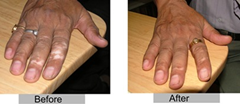
Homeopathy can treat vitiligo very effectively with safe and natural medicines. It is capable of wonderful and miraculous cures in many cases of vitiligo. Homeopathy primarily halts the further progression of the white patches on the skin and later on it promotes pigmentation in the white patches ensuring complete cure. Among the patients of vitiligo, homeopathy optimizes the immune system that helps in preventing damage to melanocyte cells. It also aims to activate the melanocyte cells to enhance the natural production of the pigment and start re-pigmentation of affected areas.Homeopathic Medicine for Vitiligo

Treating vitiligo in homeopathy is a very gradual process. So one needs to remember that vitiligo is a chronic condition and can take considerable time even with the best of homoeopathic treatment, for it to be completely cured.

Homeopathic medicines are natural and safe

Homeopathic remedies are 100 per cent safe and gentle to the human body. They have no side effects and can be used safely among people of all age groups. On the other hand, conventional medicine recommends use of corticosteroids, light therapy, surgical procedures like skin grafting, and blister grafting to treat vitiligo that can have several side effects. Instead, homeopathy is a great alternative to prevent any adverse effects because of conventional medicines.

Homeopathy boosts self-healing mechanism

Each one of us has an inbuilt self-healing mechanism in our body which helps us overcome any health issues naturally. But self-healing requires some kind of a stimulus. Homeopathic medicines that are used in a highly diluted form do this job perfectly to stimulate this healing system for natural recovery in cases of vitiligo.

Homeopathy follows constitutional treatment

According to homeopathic philosophy, vitiligo is not a disease in itself but an expression of an inner disturbed state of the body. Thus, the cure should occur at a level where things have gone wrong. In order to achieve this, homeopathic medicines need to be administered as per the constitution of a person. It means the patient is analyzed on various parameters of mental, physical and familial attributes, and also a complete evaluation is carried out of the psychological environment that the patient has undergone in his life. The prescription is based at the deepest level of understanding of the patient’s disturbed inner force. I would again reiterate the fact that real cure of vitiligo takes place when the prescription is made according to the person’s constitution that treats that deep causative factor which caused this inner disturbance.

7 Best Homeopathic Medicines for Vitiligo

The top seven homeopathic medicines for the treatment of vitiligo are Calcarea Carbonica, Arsenicum Album, Sepia Officinalis, Silicea Terra, Sulphur, Arsenicum Sulphuratum Flavum and Baryta Muriatica.

1. Calcarea Carbonica – For Milky White Spots on the Skin

Calcarea Carb is a top constitutional medicine for vitiligo. It is administered to the patients who suffer from vitiligo and have milky white spots on the skin. These white spots can appear anywhere on the body. In homeopathy constitutional symptoms are given extreme importance while administering the medicine in any given case. These are unique mental and physical symptoms that guide the selection of medicine for any given case. The first most important symptom is a tendency to free perspiration over the head, chest and neck. Individuals who require this medicine are extremely intolerant to cold weather and there are peculiar cravings to eat – chalk, eggs, and pencils. They may also show a tendency to catch colds easily. Weakness of bone may also be discovered. Tendency to chronic constipation and obesity can be present. In the mental sphere, the person may show many types of fears. The prominent ones are fear of misfortune, of contagious disease, of losing reason and of insanity.

When to use Calcarea Carbonica?

The use of Calcarea Carb is recommended to treat the cases of vitiligo with milky white spots on the skin. A few constitutional symptoms that can be present include increased sweating, sensitivity to cold, cravings to eat – eggs, chalk, the tendency to catch cold easily and obesity.

How to use Calcarea Carbonica?

Both low and high potencies of this medicine work wonders. However, it is advised to begin with low potency. Calcarea Carb 30C can be administered just once a day, not more than that.

2. Arsenicum Album – For Vitiligo in Anxious Individuals

Arsenicum Album is yet another effective remedy for vitiligo for those prone to dry, and rough skin. The skin shows whitish spots and the skin is dirty. The skin complaint alternates with respiratory complaints like asthma which is a strong pointer to administer Arsenic Album. In the general sphere, warmth is a relieving factor for those who need this medicine. Warm applications on the skin and warm drinks are desirable. Burning sensation in several body parts may also be noticed. Extreme exhaustion may also be observed. There are peculiar constitutional symptoms that allow us to select Arsenic Album for treatment of vitiligo. The most prominent of these are fears and anxieties. This remedy is often indicated for those who have fears including that of death, disease, germs, and of catching infection. Patients who require Arsenic Album are very anxious personalities. They may show anxieties about health, trifles, and anxiety about others. Marked restlessness is often seen among both mental and physical planes among the persons who need Arsenic Album. The next distinctive feature for selecting Arsenic Album in vitiligo is when the individual is very careful about minor details. People demanding extreme neatness and order in everything is yet another reason why such individuals need to be administered Arsenic Album.

When to use Arsenicum Album?

Arsenic Album is a suitable medicine to treat vitiligo in those individuals who are anxious personalities and often report anxiety attacks from little things and also are very fearful. The skin in general is very dry and rough with white patches.

How to use Arsenicum Album?

The use of this medicine should be restricted to once a day in 30C potency. Consider use of high potencies only under guidance of a qualified homeopath.

3. Sepia Officinalis– For Vitiligo in People with Indifferent Attitude

Sepia is another important remedy in the list that is selected constitutionally for the treatment of vitiligo. If the overall physical and mental makeup of a person suffering from vitiligo matches with Sepia’s constitutional profile, it is then considered to possess a great ability to completely eradicate the disease. The constitutional symptoms that indicate the use of sepia are that such persons have an indifferent approach towards life and family. They show aversion towards family members and friends who were once loved with great affection. They lack interest in doing any work. A tendency to avoid both physical and mental labor is present. They are constantly depressed with marked irritability, a weeping tendency, a desire to be alone, and an aversion to consolation or sympathy. The use of Sepia must also be thought among the women with menstrual irregularities or those around menopausal age with a tendency for hot flushes. In general, soreness and itching may be present on the skin. Upon scratching, itching sensation results burning.

When to use Sepia Officinalis?

Sepia is usually helpful to persons who have vitiligo with itching and soreness on the skin. On scratching, burning occurs at the itchy places. They have indifferent behavior towards life and family like they dislike family members, lack interest in doing any type of work, and desire loneliness.

How to use Sepia Officinalis?

The recommended dose of this medicine is Sepia 30C once a day.

4. Silicea Terra – For Vitiligo with Extremely Sweaty Skin

Silicea carries a good scope to treat vitiligo when selected as per its indications.

The set of symptoms that indicate the use of Silicea are –  pale and waxy skin; tendency to excessive perspiration, especially on the hands and the feet; prone to eruptions in various body parts with pus formation; the tendency to catch a cold frequently; lean, thin physical makeup. A few characteristic mental symptoms need attention while administering Silicea. The main mental symptoms are timidity and an under-confident nature. Silicea may be thought of among people who seem under-confident, fear public speaking, and are bashful and timid. Stubbornness and obstinate behavior may also indicate its use.

When to use Silicea Terra?

Use of Silicea can be considered when there are white spots on the skin along with a tendency of too much sweating mainly on the feet and the hands. Poor self–confidence, stubborn behavior and fear of speaking in public are some of the mental symptoms to be looked for when prescribing Silicea.

How to use Silicea Terra?

Among various available potencies of Silicea, the most commonly used is 6X potency. Silicea 6X can be administered one to two times daily as per the severity of the problem.

5. Sulphur – For Vitiligo with Burning and Itching Sensation on Skin

Although, Sulphur is low down in the list of medicines that treat vitiligo. Its worth is equivalent to the above-mentioned medicines. Sulphur is a deep-acting medicine used often in the treatment of various skin diseases including vitiligo. It goes deep in the body and acts at the root cause to eliminate the disease. It is a very beneficial medicine when itching and burning sensations are marked on the skin in general along with the presence of white spots on the skin. Those who require Sulphur usually show a philosophical mindset. They are popularly referred to as ‘ragged philosophers’. Their mind is constantly occupied with various theories and plans. As a result, they suffer from mental fatigue and absent-mindedness. They take little or no care for their physical appearance and even show an aversion to bathing. An extraordinary craving for sweets may also be shown as a constitutional symptom.

When to use Sulphur?

Its use is suggested mainly when a person has white spots on the skin and has a tendency to feel itching and burning sensation in different parts of the skin.

How to use Sulphur?

Sulphur is usually used in 30C potency in infrequent doses like one or two times in a week.

6. Arsenicum Sulphuratum Flavum– For Chronic, Obstinate Skin Discoloration

Ars Sulph Flavum is a highly useful medicine in chronic and stubborn cases of vitiligo/leucoderma. The white patches are rough, dry and may be associated with itching or burning sensation, especially after washing. The skin appears unhealthy and dirty looking. Symptoms generally worsen in cold weather and improve with warmth.

When to use Arsenicum Sulphuratum Flavum?

This medicine should be administered in cases of leucoderma where the patches are rough, dry and chronic.

How to use Arsenicum Sulphuratum Flavum?

It can be administered in 30C potency two to three times daily for good results.

7. Baryta Muriatica– For Vitiligo Linked to Defective Nutrition

It is administered in cases of vitiligo associated with defective nutrition and glandular involvement. It is mostly suitable for children or elderly patients who are shy, timid, and physically weak with enlarged glands and delayed mental and physical development. White patches may appear along with general underdevelopment or senile degeneration.

When to use Baryta Muriatica?

This medicine is administered to the patient who is timid, shy, and lacks confidence. White patches may appear along with glandular weakness and poor nutrition.

How to use Baryta Muriatica?

It can be used in 30C potency to begin with and the potency can be raised to 200C or 1M after consulting a qualified homoeopath.

Causes of Vitiligo

What causes Vitiligo is not very clear but doctors and researchers are beginning to believe that Vitiligo resembles an autoimmune disorder. It means that the melanin pigment (that is responsible for giving color to our skin) that produce cells of the skin are destroyed by the body’s antibodies (defense cells).

In some cases, it has been observed that the onset of Vitiligo is related to a psychologically stressful events in the patient’s life. People with a family history of Vitiligo are more prone to develop these white patches. Ninety five per cent of all those who develop Vitiligo, start developing symptoms before the 40th year of their life.

Other factors that are more common with those suffering from Vitiligo are the presence of other autoimmune disorders, a history of sunburns, rashes, and other skin disorders, and hair turning grey before the age of thirty-five.

Signs and Symptoms of Vitiligo

People who suffer from Vitiligo develop white patches on their skin of irregular sizes and shapes. Vitiligo is more common on the exposed areas for example face, hands, neck, and arms. It also occurs on covered areas too like genitals, breasts, and legs. In some patients the hair may also turn grey early and on the inside of the mouth, white discoloration may also occur. It can affect a particular localized area of skin or many areas on the skin. In some cases, itching is felt on the skin before the onset of depigmentation.

The spread of Vitiligo cannot be determined. It may stop completely after the first patch but often these patches do spread. For some patients, further development may take years and for others, the large areas can be covered in months.

Types of Vitiligo

Vitiligo is primarily classified into two major categories:

Type 1- Segmental Vitiligo

It usually affects one side of the body (asymmetrically) and the patches appear in a segment or in stripes. It often starts in childhood, progresses rapidly for a period before stabilizing.

Type 2- Non-Segmental Vitiligo

This has many variants such as:

1. Generalized Vitiligo- The patches are symmetrical across large areas of the body, begins often at the extremities (limbs) or eyes and progresses over time.

2. Focal Vitiligo- This is characterized by a single patch localized to a particular area of the body. It does not spread much.

3. Mucosal Vitiligo – It mostly involves mucosal membranes and affects lips and genitals.

4. Universal Vitiligo- It is an extremely rare form with depigmentation over 80 per cent of the skin.

Is there a Genetic Relation to Vitiligo?

Ongoing research and studies shows about 25-30 per cent of vitiligo cases are genetic. This implies that this condition is hereditary and one may inherit vitiligo if it runs in the family. Vitiligo is a polygenic and multifactorial disorder, which means that multiple genes are involved in its pathophysiology and various environmental factors affect its development. Genetic involvement is mainly related to the immune system. For example- Gene NLRP1 (responsible for immune system regulation) and Gene TYR (related to melanin production).

Since it is an autoimmune condition, it is most likely to occur in individuals who have other autoimmune conditions such as- Addison’s disease, Hashimoto’s Thyroiditis, Grave’s Disease, Type-1 Diabetes Mellitus and Rheumatoid Arthritis.

Frequently Asked Questions

1. Is vitiligo a serious disease?

No, vitiligo is not life-threatening or dangerous. It mainly affects appearance, not overall health.

2. Is vitiligo contagious?

No, vitiligo does not spread by sharing food, touch, or close contact.

3. Why do white patches develop?

They develop when pigment producing cells stop working or are destroyed.

4. Can vitiligo spread to other parts of the body?

In some people it may spread gradually, while in others it remains stable for years.

5. Is vitiligo hereditary?

Vitiligo can run in families, but not everyone with a family history develops it.

6. Does vitiligo affect only the skin?

Mostly yes, but sometimes hair over the patches may also turn white.

7. Can stress cause vitiligo?

Stress cannot simply cause vitiligo. It may trigger or aggravate vitiligo in some individuals.

8. Is there a permanent cure for vitiligo?

There is no guaranteed permanent cure. However, the treatment can help control the de-pigmentation and halt the disease from progressing.

9. Can vitiligo be treated with homeopathy?

Homeopathy aims to improve pigmentation and slow progression by treating the individual as a whole.

10. Should I avoid any foods if I suufer from vitiligo?

There is no strict diet or specific foods, but a healthy and balanced diet is best advised.

11. Can vitiligo affect children?

Yes, vitiligo can occur at any age, including childhood.

12. Is sun exposure harmful in vitiligo?

White patches are more sensitive to sunlight, so protection from sun is important.

13. Will vitiligo affect my daily life?

Vitiligo does not curb routine activities, but emotional support is helpful.

14. Can vitiligo stop on its own?

Yes, in some cases vitiligo stabilizes without further spread.

15. Can I take homoeopathic medicines with other treatments?

Yes, homoeopathy can be used alongside the conventional treatment for better results. But do consult your doctor before combining both modes of treatments.

Call Dr. Sharma's Clinic - From United States and Canada call 703-659-0873. Patients From rest of the world and India call +91-6283487321

9 Best Natural Homeopathic Medicines to Treat Gout

homeopathic medicine for goutGout is an inflammatory joint illness that is a result of enhanced uric acid levels in the blood. It leads to the formation and deposition of monosodium urate crystals in joints, soft tissues, and kidneys. This deposition sets off sudden, intense attacks of joint pain, swelling, redness, and inflammation.

Though any joint in the body can be affected by gout, the joint at the base of the big toe is more prone to be affected in a majority of the cases. Normal uric acid levels in blood are 3.5 to 7.2 mg/dL. Uric acid levels more than this indicates hyperuricemia (high uric acid). Raised uric acid is not a disease and thus not dangerous. However, if excess uric acid levels lead to the formation of crystals in between the joints, gout can develop.

In some people, enhanced uric acid levels also lead to the formation of kidney stones. Please remember, not everybody who have high levels of uric acid, develop gout. High levels of uric acid in blood without any symptoms is termed as asymptomatic hyperuricemia.

Managing Gout Naturally with Homeopathic Medicines

Homeopathic remedies offer a very effective treatment for various complaints related to the joints, including gout. These medicines can be a big boon for all those who suffer from high uric acid and gout. Homeopathic medicines, along with proper dietary plan, can lead to remarkable recoveries in cases of gout. Homeopathic medicines for gout help relieve symptoms like tenderness, stiffness, pain, and also reduce the accompanying factors like swelling and inflammation in the joints. These medicines reduce overproduction of uric acid in the body and, where the need be, it accelerates the removal of this waste product through the kidneys.

In the mainstream medicines, NSAIDs (non-steroidal anti – inflammatory drugs) and corticosteroids are used to treat gout. These medicines offer a temporary relief and also tend to cause side-effects due to prolonged use. On the other hand, homeopathic medicines do not have any adverse effects and help in long-term relief and cure with regular medication as guided by a qualified homeopath.

Managing Acute and Chronic Gout with Homeopathy

Homeopathic medicines offer help in both acute and chronic gout cases. Initially, they treat an acute attack of gout. Following this, the homeopathic treatment helps treat the chronic tendency of gout. With these medicines, there is a gradual decrease in severity and frequency of gout attacks. And with further treatment, a permanent cure occurs in most of the cases.

Individualized Homoeopathic Medicine

Homeopathy is a symptom-based science, homeopathic medicines for gout are administered as per the characteristic symptoms in every individual. After medicine selection, the potency, dosage and repetition is decided given the uniqueness of the symptoms being presented. It is best advised to get every case of gout evaluated by a homeopath for correct prescription and best results. Self-medication is a strict no. These medicines offer relief in the cases of gout very gently.

Top 9 Homeopathic Medicines for Gout

The top nine homeopathic medicines for treating gout are Colchicum Autumnale, Benzoicum Acidum, Ledum Palustre, Urtica Urens,Lithium Carbonicum , Bryonia Alba, Lycopodium Clavatum , Berberis Vulgaris and Guaiacum Officinale.

 1. Colchicum Autumnale – Top Grade Medicine For Gout

Colchicum Autumnale is the most frequently prescribed medicine for gout. It is an unfailing medicine that provides speedy relief from soreness, pain, and swelling of the joints from gout. It is an effective medicine to manage gout in almost any of the joints but particularly the one that affects the big toe. Severe pain, swelling in the big toe is felt in cases who need this medication. The big toe is very tender, sore and hot, even a slight touch on the toe is unbearable. The pain aggravates on movement. Aggravation of toe pain in the evening is also noted in a few cases requiring this remedy. It can be administered for stiffness and swelling in the hands and the feet from gout. This medicine can even be administered when several joints are affected by gout at the same time.

When to use Colchicum Autumnale?

It is a very effective medicine for managing gout with marked swelling, pain, and soreness, especially affecting the big toe.

How to use Colchicum Autumnale?

The potency of this medicine differs from case to case from low to high. Low potencies like 30C can be administered twice or thrice daily. Use of high potency like 200C should be limited to once daily.

2. Benzoicum Acidum – For Gout Affecting Knee Joint And Big Toe

Benzoicum Acidum is a wonderful remedy for gout that affects the knee joint and the big toe. For those who need it, the knee joint is painful and swollen, and there is a cracking noise in the joint when it is moved. In some cases, nodes from the deposits of urate crystals may be present on the knees. Benzoicum Acidum also works wonders in cases of knee pain that aggravates after drinking wine. Other than the knee, it is also beneficial for pain in the big toe joint. It is administered when the pain in the big toe gets severe at night. It occurs in the big toe mainly on the right side. Tearing or stitching pain is felt.

When to use Benzoicum Acidum?

It is the best choice of medicine for managing gout of knee and big toe with pain, swelling and sometimes node formation.

How to use Benzoicum Acidum?

One may take it in 30C potency one to two times daily depending on the intensity of the complaint.

3. Ledum Palustre – For Gout Affecting Ankle, Hands And Feet

Ledum Palustre is the most suitable medicine to manage gout that affects ankles. It is administered if there is swelling and pain in the ankle that extends upwards in the leg. The gouty pain aggravates in the evening as well as with movement. Ledum Pal is also helpful for treating gout that affects the toes and the feet. Tearing pain is felt in the toes. It is administered if gout starts in the joints of lower limbs and later affects joints in the upper body. In the case of gout of the hand, it is administered when nodes form on the hand and the finger joints. A drawing type of pain in the affected hand is felt.

When to use Ledum Palustre?

This medicine is administered for those cases of gout that affect the ankles, hands and feet especially when the pain worsens in the evening and from any movement.

How to use Ledum Palustre?

This medicine works wonders in 30C potency and can be administered two to three times daily.

4. Urtica Urens – For Gout of Wrist and Ankle

It is an important medicine in homeopathy for cases of gout affecting the ankle and the wrist. It is equally effective for acute and chronic cases of gout. This medicine is also used for dissolving kidney stones.

When to use Urtica Urens?

This medicine is an undoubtedly effective medicine for treating gout affecting the ankle and the wrist in both chronic and acute cases.

How to use Urtica Urens?

It is mostly preferred in Q (mother tincture) form that can be administered one to two times daily.

5. Lithium Carbonicum – For Gout Affecting Small Joints

Lithium Carbonicum is especially administered in gout associated with a uric acid diathesis. It suits cases with gouty pains in small joints, particularly toes, fingers and ankles, often with nodular swellings and stiffness. There is marked pain in the ankle joints while walking and pain in the hollow of the foot radiating up to the knee. Tenderness and swelling of the affected joints are prominent, and the pains are characteristically relieved by very hot water.

When to use Lithium Carbonicum?

It is administered for gout affecting the small joints and ankles; the pain is relieved by warm applications.

How to use Lithium Carbonicum?

It can be administered in 30C potency once a day.

6. Bryonia Alba – For Gout When Pain Worsens From Slightest Motion

Bryonia Alba is administered for gout when joint pain worsens from the slightest movement. It is most helpful when there is redness, pain, heat and swelling in the joints, especially in the feet. Other than movement, pain aggravates from touch. The nature of pain is sharp, tearing or stinging in nature.

When to use Bryonia Alba?

This medicine is a good option to deal with cases of gout when the joint pain aggravates from the slightest movement of the affected joint.

How to use Bryonia Alba?

It can be administered in 30C potency up to 3-4 times daily.

7. Lycopodium Clavatum – For Gout Affecting Heel

This medicine is well indicated for gout that causes pain in the heel. There may be worsening of heel pain while walking. A sensation of stone under the heel is felt. Along with this, profuse sweat and cold is felt on the feet. Lycopodium is also administered for cases of chronic gout where chalky deposits have formed in the joints.

When to use Lycopodium?

It is an excellent remedy for cases of gout that affects the heel with marked pain along with the sensation of stone under the heel.

How to use Lycopodium?

Lycopodium should be administered 30C once daily.

8. Berberis Vulgaris – To Manage Kidney Stones From High Uric Acid

Berberis Vulgaris is a top medicine for treating kidney stones due to high uric acid. It helps dissolve kidney stones. It is administered if pain is around the kidneys. The pain may radiate down to the urinary bladder from the kidney area, along with a stinging, and burning sensation in the kidneys. The urine may also contain sandy or slimy sediments. Though, it can be used for kidney stones on any of the sides, it is mostly indicated for kidney stones on the left side.

When to use Berberis Vulgaris?

Its use can be considered to treat kidney stones linked to high uric acid and pain in kidney region radiating down to the bladder.

How to use Berberis Vulgaris?

It is used mostly in mother tincture (Q) form that can be administered two to three times daily.

9. Guaiacum Officinalis- Gout with severe tearing pains

Guaiacum is well administered in gout if tearing, stitching pain and marked stiffness is felt in the joints. The affected joints are extremely painful, swollen, and intolerant to pressure, with a sensation of heat in the limbs. Gouty pains are often tearing in nature, associated with contractions and stiffness that doesn’t let one move. The condition is aggravated by heat, movement, wet, and cold weather, while relief is comes from cold applications, pressure, and stretching or movement of the limbs.

When to use Guaiacum Officinalis?

It works wonders in gout with intense tearing pain.

How to use Guaiacum officinalis?

It can be administered in 30C potency once a day. Higher potencies such as 200C or 1M can be used only under the guidance of a qualified homoeopath.

Types of Gout

1. Acute Gout: Sudden onset of severe joint pain, swelling, redness, and warmth, most commonly affecting the big toe (podagra).

2. Chronic Gout: Develops after repeated acute attacks, with persistent stiffness, joint pain, and possible joint damage.

3. Intercritical Gout: Symptom-free period between acute gout attacks when the patient feels normal, but uric acid levels may remain high.

4. Tophaceous Gout: Advanced stage marked by deposition of urate crystals (tophi) around joints, fingers, ears, or toes that leads to deformity.

5. Asymptomatic Hyperuricemia: Elevated uric acid levels without joint pain or inflammation that may later progress to gout.

Signs And Symptoms Of Gout

Gout symptoms occur due to the deposition of uric acid crystals in the joint spaces and or in the connective tissue of the joints. The main signs and symptoms are as follows:

1. Pain in joints: Gout is a very painful condition, mainly affecting the metatarsal– phalangeal joint at the base of the big toein most cases. Gout affecting big toe joint is named podagra. Pain occurs suddenly and in most cases, joint pain starts during the night and reaches maximum within 12 hours of its beginning.

 Joints Affected

Gout mainly affects the joint (metatarsal–phalangeal joint) at the base of the big toe but it can affect other joints as well. The other joints that can be affected by gout include ankles, heels, knees, wrists, elbows, fingers, and shoulders.

Duration of a Gout Attack

One episode of gout can last from 3 days to two weeks. In between two gout attacks, no symptoms occur at all.

2. Swelling, Redness and Heat in Joints

3. Tenderness of the Joint: Joint is painful even to slightest touch, even the little contact with bedsheet seems unbearable.

4. Stiffness of the Joint and limited range of motion of joint

5. Tophi: Deposits of hard, painless deposits of uric acid, called tophi can appear as lumps under the skin and around the joints from long-standing increase in uric acid levels.

Causes And Risk Factors

The main cause of gout is an increase in uric acid levels in the blood.

The following factors increase risk of gout

1. Dietary factors: Eating food products rich in purines tend to raise the levels of uric acid in the blood. Some foods that are high in purines include meat, fish, seafood, shrimp, shellfish, beans, dried mushrooms, and spinach. Besides excessive alcohol, intake is strongly linked with an increased risk of gout. Drinking sugar-sweetened beverages are also linked with gout.

2. Some medical conditions make a person susceptible to gout. These include kidney disease, metabolic syndrome (It is a group of conditions including hypertension, abdominal obesity, and insulin resistance and abnormal lipid levels), psoriasis, haemolytic anemia, diabetes and hypertension.

3. A positive family history of gout increases risk

4. Obesity also increases susceptibility

5. Males are at higher risk of developing gout as compared to females. In females, chances are more of developing gout after menopause.

6. The use of certain medicines, like thiazide diuretics, is linked with gout attacks. Some other medicines associated with gout attack are aspirin, beta blockers, immunosuppressive drugs ciclosporins and excessive use of vitamin D supplements.

7. Recent surgery or a physical trauma

Pathophysiology

In our body, when purines (present in certain food and drinks) break, then uric acid is formed. This uric acid is expelled via kidneys in urine.  Gout occurs when there is an increase in the uric acid levels in the blood. Uric acid levels increase either due to its overproduction (in 10% of cases), or decreased elimination of the uric acid from the body by the kidney (this is cause in 90% of the cases). As a result of increased uric acid levels in blood, uric acid crystals (known as as monosodium urate crystals) start accumulating in joints and soft tissue around it.  These are sharp, needle-like crystals that trigger an inflammatory response, resulting in gout.

Complications Of Gout

1. A person may get recurrent attacks of gout each year

2. Joint erosion, damage and destruction

3. Formation of tophi (nodules under skin from deposits of urate crystals) that can form in any area like fingers, feet, hands and Achilles tendon. Tophi become tender during gout attack, at other times, are entirely painless.

4. In some cases, urate crystals tend to accumulate in urinary tract, leading to kidney stones.

Diagnosis And Investigations

1. Uric acid levels in blood: It is the most common test recommended in case of gout in which levels of serum uric acid are in blood are found to be elevated in gout. But its role in confirming gout is limited, as it is seen that many people have high uric acid level in blood but do not have gout, while some people have gout but their blood uric acid levels are normal.

2. Synovial fluid test: In doubtful cases, this test is suggested as it gives confirmatory diagnosis of gout. In this test, fluid from the affected joint is drawn with needles and checked under microscope. In case of gout, urate crystals are seen in this fluid.

3. Ultrasound of joint: It may help to check urate crystals in joint.

4. X-ray of joint: It may not be helpful in acute cases but in chronic cases, it may show joint erosions.

Management

 The management of gout focuses on reducing uric acid levels, relieving pain, and preventing recurrent attacks through a holistic homeopathic approach. Diet plays a crucial role; purine-rich foods such as red meat, certain seafood, organ meat, alcohol (especially beer), and sugary drinks should be avoided. Whole grains, fresh fruits, vegetables, nuts, low-fat dairy products, and proper hydration should be encouraged to help eliminate uric acid. Regular, moderate exercises like swimming, walking, or cycling helps maintain a healthy weight and improves joint mobility, though strenuous activity should be avoided during acute attacks. Lifestyle measures such as adequate rest, weight control, stress management, are equally important, as sudden weight loss and stress can trigger flare-ups. During acute episodes, rest and proper care of the affected joint are also important.

Frequently Asked Questions

1. Can diet alone control gout?

Diet plays an important role, but complete control often requires lifestyle modification and medical or homoeopathic treatment based on the unique symptoms of the individual.

2. Can gout recur after treatment?

Yes, gout is prone to recurrence if uric acid levels remain high or triggers are not controlled.

3. Is alcohol harmful in gout?

Yes, alcohol—especially beer—increases uric acid levels and can trigger gout attacks.

4. Can homoeopathy help in gout?

Homoeopathy aims to manage gout by reducing uric acid tendency, relieving joint pain, and preventing recurrence, with treatment individualized for each patient.

5. Can stress trigger gout attacks?

Yes. Emotional and physical stress can enhance uric acid levels and precipitate acute gout attacks.

6. Is homoeopathy useful in chronic or recurrent gout?

Yes, homoeopathy is especially beneficial in chronic and recurrent gout. It aims to reduce the frequency and severity of the attacks and prevent long-term joint damage.

7. Is self-medication advisable in homoeopathic treatment of gout?

No. Gout requires individualized remedy selection and potency adjustment, so treatment should always be taken under the guidance of a qualified homoeopathic physician.

8.  ​Homoeopathic can be combined with conventional treatment?

Yes, it can be taken along with conventional medicine. Maintain a gap of 10-15 minutes between both the medicines.

9. Are homoeopathic medicines safe?

Yes, homoeopathic medicine are absolutely safe and non-habit forming. It should be initiated under the guidance of a qualified homoeopath.

10.  ​Is gout a lifelong condition?

Gout can be curbed with proper treatment, diet, and lifestyle changes.

Call Dr. Sharma's Clinic - From United States and Canada call 703-659-0873. Patients From rest of the world and India call +91-6283487321

Top 11 Homeopathic Medicines For Piles

homeopathic medicine for piles

Piles, also known as hemorrhoids refer to dilatation, inflammation and swelling of the veins around the anus or lower rectum. This stagnates the blood inside these veins resulting in symptoms like anal pain, itching, bleeding and tenderness.
Homeopathy offers a very successful and effective treatment for piles. Homoeopathy works in a two pronged manner in the cases of piles.

The first is that it provides prompt relief from the symptoms like burning sensation, anal pain, swelling, bleeding, and itching. The second aspect is that it corrects the internal disturbances of the venous system to reduce engorgement of the rectal veins and the pooling of blood and ensures smooth and unobstructed blood flow that helps in complete recovery. It is known well that out of all the risk factors, the major predisposing and maintaining factor for piles is chronic constipation that causes persistent straining to pass stool leading to dilatation of the veins. Homeopathy also focuses on treating chronic constipation. Homeopathic remedies help in regulating bowel movements and softens the stool thus ensuring its easy passage.

 How Homoeopathy Treats Piles?

1. Gentle and Free of Side-Effects – Homeopathic remedies are sourced from naturally obtained substances thus ensuring their safety that treats piles from its roots along with easing the symptoms. The treatment period in homeopathy for piles can range from a few weeks to a few months. The length of homeopathic treatment for piles depends upon the time period of the symptoms, their severity, and how quickly a patient responds to the medicines.

2. Homoeopathy addresses the root cause – The conventional treatment of piles involves over-the-counter (OTC) medications for piles including creams, ointments, and painkillers. For constipation, laxatives are recommended that offer temporary relief and may have side effects due to its prolonged use. On the other hand, homoeopathy not only provides symptomatic relief but also helps in treating the root cause of the problem, ensuring long-term relief in cases of piles.

3. Non-Invasive and Individualized Treatment – In many cases of piles, surgery is the only option left for most patients. However, timely homeopathic cure can help avoid invasive procedures like surgery in piles in most of the cases. The sooner the patient approaches a qualified homeopath for treatment, the higher the chances to avoid surgery. A suitable homoeopathic remedy is prescribed after thorough evaluation of an individual’s symptoms and factors such as the age of the patient, chronicity of complaint and intensity of the symptoms. Depending upon each case, and its uniqueness, the dose, potency and repetition is decided.

Top 11 Homeopathic Medicines for Piles

The top eleven homeopathic medicines for treating piles are Aesculus Hippocastanum, Nux Vomica, Aloes Socotrina, Hamamelis Virginiana, Collinsonia Canadensis, Muriaticum Acidum, Ratanhia Peruviana, Nitricum Acidum, Paeonia Officinalis, Sulphur and Thuja Occidentalis.

1. Aesculus Hippocastanum– Top Remedy for Painful, Non-Bleeding Piles

It is the best and most frequently administered medicine for painful piles. It is prescribed when pain is felt during or after passing stool. The pain continues for long hours after the passing of stool and is very sharp and may extend from the anus to the lower back. A person may have a distinct feeling of small sticks filling up the rectum. It is a specific medicine for external piles and blind piles (non-bleeding piles). This medicine does wonders on engorged haemorrhoidal veins, and brings about a lot of relief, and also helps in shrinking piles naturally.

When to use Aesculus Hippocastanum?

The characteristic feature to administer this medicine is external piles with marked pain during and after passing the stool.

How to use Aesculus Hippocastanum?

The most commonly recommended dosage of this medicine is in 30C potency that can be administered two to three times a day as per the severity of the complaint.

2. Nux Vomica– For Piles with Constipation and Ineffective Urge

Nux Vomica is the best medicine to treat piles with constipation and ineffective urge to pass the stool. Those who need this medicine have to pass stool several times a day to completely clear the bowels. They pass stool bit by bit throughout the day and yet have the urge to pass the stool. Such patients have marked pain and itching at the anus. Nux Vomica is administered for piles that are non-bleeding. Nux Vomica is the go-to medicine for piles or constipation triggered by alcohol. It is also the best choice for those with piles who lead a sedentary lifestyle.

When to use Nux Vomica?

Its use is highly suggested to manage piles with constipation where the ineffective urge to pass the stool is prominently felt.

How to use Nux Vomica?

Though, it can be used in both low to high potencies, in the beginning, it is best advised to take it in 30C potency two to three times daily for best possible results.

3. Aloe Socotrina– For Protruding, Grape-Like Piles

Aloe Socotrina is the number one medicine when it comes to treating protruding piles (internal piles take an outward bulge from the anus and can be seen as soft lumps of tissue). The protruding piles are very sore and tender and look like a bunch of grapes bluish in color. Persons who require it may find cold applications on affected areas soothing and help during soreness, pain, and tenderness. They may also have severe itching.

When to use Aloe Socotrina? 

This medicine is well administered for protruding piles with marked tenderness and pain.

How to use Aloe Socotrina?

It is advised to administer this medicine in 30C potency thrice or four times a day depending on the intensity.

4. Hamamelis Virginiana– For Bleeding, Internal Piles

This natural medicine sourced from plant ‘witch – hazel’ is the best prescription for piles that bleeds. It controls bleeding piles in an outstanding manner. Hamamelis is useful in cases where piles are painless, internal, and bleed. ‘Painless, bleeding piles’ these three words are an indication to describe the use of this medicine in its entirety, and it requires no further description.

When to use Hamamelis Virginiana?

This remedy can be wonderfully administered for managing bleeding from piles without any pain.

How to use Hamamelis Virginiana?

One may take Hamamelis in 30C potency thrice or four times a day as per the intensity of the symptoms.

5. Collinsonia Canadensis – For Piles with Constipation (Dry, Hard Stool)

It is an effective medicine to treat piles with constipation especially when the stool is hard and dry. It can be administered when hemorrhoids are external or protruding and there is also marked pain. Additionally, a particular sensation of sand or sticks in the rectum may be felt. This medicine is also administered to treat piles that are painful accompanied by bleeding.

When to use Collinsonia Canadensis?

This medicine can be used to treat the patients suffering from piles who report constipation along with passing of hard and dry stool.

How to use Collinsonia Canadensis? 

It can be administered in 30C potency two to three times daily for best results.

 6. Muriaticum Acidum – For Piles Extremely Painful To Touch

This is a leading homeopathic remedy to manage piles that is painful even on the slightest touch. It is mainly indicated for protruding piles. The piles look bluish or dark purple like a bunch of grapes. A characteristic symptom is relief of soreness from warm applications.

When to use Muriaticum Acidum?

This remedy can be administered in cases of piles that are intensely painful even on the slightest touch.

How to use Muriaticum Acidum?

The most frequently used potency of this remedy is 30C. Muriatic Acidum 30C should be administered once a day and in severe cases twice daily, but not more than that.

7. Ratanhia Peruviana– For Piles with Intense Burning Sensation

This medicine is indicated to manage piles accompanied by severe burning sensation. Along with this, there is noticeable strain while pass stool. Piles may protrude out of the anus when one strains to pass stool. Apart from these, a peculiar sensation of little pieces of broken glass in the rectum can be felt. Pouring cold water over the anus may provide relief for a while.

When to use Ratanhia Peruviana?

Ratanhia is an ideal prescription for cases of piles that have severe burning sensation and protruding piles.

How to use Ratanhia Peruviana?

To begin with, one may initiate with its 30C potency two or three times a day. After close observation of symptoms, higher potencies can be administered if the need so arises, but only under guidance of a qualified homeopath.

8. Nitricum Acidum – For Protruding Piles with Bleeding and Sharp Pain

Nitricum Acidum is a wonderful medicine for cases of piles protrude while passing stool accompanied by bleeding. Along with it, the pain that is felt is very sharp, pricking, stitching, cutting type, or there could be sensation of burning.  Constipation with dry, hard stool that passes with much strain is another accompanying factor. Pain also occurs at the anus. Constant pressure and weight is felt in the rectum.

When to use Nitricum Acidum?

This medicine can be administered for protruding piles with bleeding and sharp, stitching pain.

How to use Nitricum Acidum?

Use this medicine once or twice daily in 30C potency. Dose can be reduced once the patient starts feeling the relief.

9. Paeonia Officinalis – For Intensely Painful Piles with Fissures

Paeonia Officinalis is one of the best remedies for painful and bleeding piles associated with anal fissures. The hemorrhoids are extremely sore and tender, with violent pain during and after defecation, often lasting hours. There is oozing of dark blood, accompanied by burning sensation and itching at the anus. The anus feels ulcerated and raw that makes sitting difficult. The patient may also complain of offensive perspiration and general weakness due to blood loss.

When to use Paeonia Officinalis?

Paeonia is prescribed when piles are extremely painful, especially when associated with anal fissures. The pain is cutting, sharp, or burning and may continue for hours after passing stool.

How to Use Paeonia Officinalis?

The use of this medicine is recommended in both high and low potencies. At the outset, one may use its 30C potency once or twice daily. For using high potencies, prior consultation with a homeopath is a must.

 10. Sulphur – For Chronic Piles with Intense Burning

Sulphur is indicated in chronic, congested piles, especially if the patient has chronic constipation. The piles burn and itch severely, with a sensation of heat in the rectum, often relieved by cold applications. There may be frequent ineffective urge to pass stool. The stool may be dry and hard stools that are expelled with difficulty. Hemorrhoids may bleed easily. Sulphur is particularly useful in cases of relapse, or when other remedies do not work, and in patients who are heat-loving, untidy, and mentally active.

When to Use Sulphur?

Sulphur is suited for chronic or recurrent piles with intense burning sensation felt and itching at the anus and habitual constipation with dry and hard stool.

How to Use Sulphur?

This medicine is administered in 30C potency one to two times daily for best results.

11. Thuja Occidentalis – For Moist, Oozing Piles

Thuja is useful in moist hemorrhoids, especially when there is burning sensation and smarting after stool. The piles may bleed and ooze offensive moisture. There is a peculiar sensation as if something is sticking or pressing in the rectum. Constipation is common, with painful defecation. Thuja is particularly indicated for patients with a sycotic constitution, a history of suppressed discharges, or complaints following vaccination.

When to Use Thuja Occidentalis?

Thuja Occidentalis is administered in moist, oozing piles, often with fissures and burning pain after stool.

How to Use Thuja Occidentalis?

It can be administered in 30C potency twice or thrice daily depending on the severity of the pain.

Note You may continue these medicines for about 2 to 3 weeks. If symptoms persist, or if you want to continue any of these medicines beyond 3 weeks or enhance potency, it is advised to seek consultation from a qualified homeopath.

Types of Piles: Signs And Symptoms  

Piles are of different types according to their location and whether they bleed or not. External piles, internal piles, protruding/prolapsed piles, and blind piles are the most common types. The symptoms of piles depend on the type of piles.

1External piles are visible on the surface of the skin around the anus and can be seen or felt from the outside. The main symptoms of external piles include painful swelling and hard lumps around the anus. These hemorrhoids irritate, sometimes itching or bleeding.

2. Internal piles lie deep inside the rectum and cannot be felt or seen outside. It is mostly painless since there are no pain receptors in the region where it tends to appear. The only symptom of internal piles is bleeding while straining at the time of passing stool. However, an internal hemorrhoid may protrude through the anus, causing pain and irritation.

3. Protruding or prolapsed piles is a condition when hemorrhoids get pushed out towards the anus when force is applied to pass stools. They look like pink, moist pads of skin. Prolapsed or protruding hemorrhoids tend to hurt since the anus area is dense with pain-sensitive nerves. The typical symptoms of hemorrhoids are mucus discharge, itching and pain.

4. Blind piles refer to hemorrhoids that do not bleed. They feel like protruding masses, usually detectable after passing stools, at the opening of the anus.

5. Mixed/ Interno – External pilesrefers to a condition in which internal as well as external piles appear simultaneously.

6. Thrombosed piles refers to external hemorrhoids in which a blood clot is formed that blocks blood flow resulting in swelling of anal tissue with intense pain.

Causes, Risk Factors That Lead To Piles

Primarily, the swollen veins that are seen in piles develop due to increased pressure in the rectum. This may disintegrate the tissues supporting the anal walls, leading to hemorrhoids. Several factors contributing to this kind of pressure are enlisted below:

1. Irregular Bowel Movements (Constipation is the leading cause of piles): Factors like constipation, overuse of enema or laxatives, straining to pass stool spending too much time on the toilet seat adds to the strain on the rectum and anus, leading to piles. On the other hand, chronic diarrhea may also sometimes be the reason.

2. Diet: Lack of a fiber-rich diet, not enough hydration, excessive intake of alcohol, and consumption of spicy food and junk food are some of the contributing factors.

3. Pregnancy: There is increased pressure on the abdomen and pelvic area during pregnancy, which is a leading cause of piles during pregnancy. In some cases, hemorrhoids develop as a result of childbirth due to excessive pressure on the rectum and anus.

4. Age and Heredity: Other factors like heredity and age too may cause piles due to the weakening of the tissues supporting the rectum and anus.

5. Inactive sedentary lifestyle: Prolonged sitting and lack of exercise or physical activity, and obesity also predispose one to this disease.

6. Portal Hypertension: Portal hypertension refers to a condition where there is an increase in the blood pressure within the veins of the portal venous system. The veins coming from the spleen, stomach, pancreas, and intestines merge into the portal vein that travels through the liver. In case of any complication due to which blood cannot flow properly through the liver, high pressure develops in the portal system. This pressure can cause the development of swollen, large veins in the stomach, esophagus, and rectum. As a result, hemorrhoids may develop in the anal area.

Grading Of Piles

Grade I- No prolapse

Hemorrhoids remain inside the anal canal, they may cause bleeding and pain but they do not protrude.

Grade II- Prolapse but spontaneous receding

Hemorrhoids protrude out during straining, or while passing stool but they recede on their own. These may cause bleeding, discomfort and itching.

Grade III- Prolapsed piles requiring manual receding

Hemorrhoids prolapse during bowel movements and have to be pushed back manually.

Grade IV- Permanently Prolapsed

Piles are permanently prolapsed and cannot be pushed back; they require significant intervention as they may become thrombosed, ulcerated and extremely painful.

Management and Lifestyle Measures for Piles

Managing piles includes several factors, which when taken into consideration along with homoeopathic treatment can help in relieving symptoms and preventing recurrence.

1. Dietary Changes – Increasing fiber in your diet is essential to manage piles. Include more vegetables, fruits, whole grains such as brown rice, oats to make stools soft and bulky.

2. Water Intake – Drink 2-3 liters of water daily to prevent hard stool and constipation.

3. Limit Processed Foods – Reduce intake of fried food, highly processed foods and heavy meals.

4. Monitoring Bowel Habits- Avoid straining while passing stools, do not delay the urges and don’t sit in the toilet for long periods of time.

5. Physical Activity- Physical activity in your routine such as walking, yoga and swimming helps regulate the bowel habits.

6. Manage Body Weight – Excessive weight can exert pressure on the pelvic veins leading to improper digestion and painful symptoms.

Frequently Asked Questions

1. Is bleeding in piles dangerous?

Bleeding is usually mild and painless, but repeated bleeding can cause weakness or anemia. Persistent or heavy bleeding should always be brought to the knowledge of a physician.

2. Can piles heal on their own?

Early or mild piles may improve with proper diet, good hydration, and avoiding straining. Ongoing or worsening symptoms require treatment.

3. Are piles a lifelong condition?

No. If treatment happens on time, and healthy bowel habits are maintained along with dietary discipline, piles can be curbed and recurrence prevented.

4. Can piles be treated without surgery?

Yes. Most cases, especially early ones, respond well to medical treatment and lifestyle changes. Surgery is needed only in advanced cases.

5. What diet is best in case of piles?

A fiber-rich diet including vegetables, whole grains, fruits, and plenty of water helps soften stools. Spicy, junk, and processed foods should be limited.

6. Does sitting for long hours worsen piles?

Yes. Long sitting hours, especially on the toilet seat, increases pressure on anal veins. Regular movement and avoiding long toilet sittings are helpful.

7. Can piles come back after treatment?

Yes, if constipation and poor bowel habits return. A healthy lifestyle greatly reduces the risk of recurrence.

8. When should I consult a doctor?

Consult a doctor if there is intense pain, frequent bleeding, swelling, prolapse, or no relief with basic measures.

9. Is a lump near the anus normal in piles?

Yes. Some piles present as a tender or soft lump, which may reduce on its own or need treatment depending on the intensity.

10. Why are piles common during pregnancy?

Yes. Hormonal changes, pressure on pelvic veins, and constipation make piles common in pregnancy. They often improve after delivery.

11. Can piles cause weakness?

Repeated blood loss may lead to anemia, causing weakness and fatigue. Medical advice is important if this occurs.

12. How long does recovery take?

Most patients improve within days to weeks by bringing about lifestyle changes and proper treatment depending on the intensity of the symptoms.

Call Dr. Sharma's Clinic - From United States and Canada call 703-659-0873. Patients From rest of the world and India call +91-6283487321

Dissolve your Heel Spurs – Top 10 Homeopathic medicines for Calcaneal Spur and Heel Pain

Homeopathic medicines for Calcaneal Spurs

Calcaneal Spur, also known as a heel spur, refers to a pointed, sharp, bony outgrowth on the calcaneal bone present in the heel. The key symptom of a calcaneal spur is pain in the heel around the spur. This pain not only restricts movement, but the discomfort while walking or standing affects the individual concerned.

Homeopathy offers a very holistic and safe treatment for heel spur/calcaneal spur. These remedies have shown considerable effectiveness in treating cases of heel spur. They help in both dissolving the spur as well as relieving the pain in the heel due to the spur, thus providing complete and long term cure from calcaneal spurs. Conventional mode of treatment mainly recommends the use of over-the-counter pain medications, corticosteroids and anti-inflammatory injections in heel spur cases that might help but the results are short-lived and the condition may not be resolved. On the other hand, homeopathy reaches the core and ensures long-term relief.

Homeopathy focuses on treating the root cause like damage to ligaments/muscles/tendons and controls the inflammatory process as in the case of arthritis, plantar fasciitis and helps get excellent results. Once the root problem is addressed, the bony outgrowth tends to dissolve gradually in a natural way.

The use of homeopathic remedies in calcaneal spur may also prevent surgical intervention in most cases of heel spur as recommended in conventional treatment for several types of cases. Homeopathic remedies work internally to dissolve calcium deposits. With a complete course of homeopathic treatment under the guidance of a homeopathic physician, a complete cure occurs in most of the cases of heel spur.

The homeopathic medicines for calcaneal spur are made of natural and highly diluted substances which are completely safe to use and have no side effects.

Top 10 Homeopathic Medicines for Calcaneal Spur/Heel Spur

The top ten medicines for treating Calcaneal/Heel Spur are Calcarea Fluorata, Aranea Diadema, Ruta Graveolens, Rhus Toxicodendron, Ammonium Muriaticum, Pulsatilla Nigricans, Hecla Lava, Bryonia Alba, Phytolacca Decandra and Silicea Terra.

1. Calcarea Fluorata — Best Medicine for Dissolving Calcaneal Spur 

Though there are several homeopathic medicines to dissolve heel spurs, Calcarea Fluorata tops the chart. It is a naturally obtained medicine with immense healing power to dissolve a calcaneal spur. This remedy helps almost all cases of calcaneal spur whether painful or not. Not just the heel bone, this medicine can be administered to dissolve spurs in any bone of the body. This medicine is also administered for extra bony outgrowths that tend to form after an injury.

When to use Calcarea Fluorata?

Calcarea Fluor can be administered as the first choice of remedy in cases of calcaneal spur as it is the best resolving agent for bony outgrowths.

How to use Calcarea Fluorata?

 It is mainly used in biochemic form in 6X potency and can be administered three to four times a day. The top remedies for treating Calcaneal / Heel Spur are Calcarea Fluor, Aranea Diadema, Ruta, Rhus Tox, Ammonium Mur and Pulsatilla.

2. Aranea Diadema — For Digging and Boring Heel Pain

Aranea Diadema is the next best medicine for calcaneal spurs. For those who need it, there is pain in the heel that aggravates when one starts walking in the midst of pain. However, as one continues walking one is relieved of it after sometime.  This remedy is believed to be the best to get rid of the digging and boring type of pain in the heel. The pain may alternate with a feeling of numbness in the heel. Extreme sensitivity to cold air can also be predominantly present. If the complaint occurs at a regular interval of time, it is yet another characteristic feature to administer this medicine.

When to use Aranea Diadema?

It is a wonderful medicine to manage heel spurs with digging or boring type of heel pain that aggravates when one starts walking but is relieved of it with continued walking.

How to use Aranea Diadema?

This medicine can be administered in 30C potency one or two times daily for best possible results.

3. Ruta Graveolens — For Heel Spur Formed After Stressed Ligaments, Muscles and Tendons

Ruta Graveolens works very well if muscles, ligaments, and tendons are repeatedly put under strain following which bone spurs form. It is signaled by a shooting pain in the heel. The pain from the heel extends to the Achilles tendon. The tendon that connects the calf muscle present in the back of the leg to the heels is known as Achilles tendon also known as Tendo-Achilles. For patients who have pain in the heel due to calcaneal spur with the pain extending into the Tendo Achilles, the best remedy is Ruta.

When to use Ruta Graveolens?

This medicine is of particular use for heel spur formed due to repeated strain on muscles, ligaments, and tendons of the heel along with a shooting type of pain.

How to use Ruta Graveolens?

Administering 30C potency is the best choice to begin with. The medicine can be administered twice or thrice a day depending on the severity of symptoms.

4. Rhus Toxicodendron – For Sharp Pin like Heel Pain When Begins To Walk

Rhus Toxicodendron is the top remedy for pain in the heel felt more when one starts walking in the morning. It often worsens from standing. If the pain in the heel is the first thing that troubles you as you stand in the morning, Rhus Tox is the go-to medicine. Those who need this medicine feel as if they are standing on the pin, though the pain gets better by continuous walking. The pain experienced by the person while standing is most of the time stitching type in nature. Another expression to explain this pain is feeling a sharp pain as though there is a nail beneath the skin. Rhus Tox also helps in repair of the muscles and ligaments covering the heel bone, thus preventing further heel damage. Rhus Tox thus acts in three spheres for calcaneal spur patients — pain relief, strengthening the muscles or ligaments, and dissolving the spur.

When to use Rhus Toxicodendron?

It is a wonderful medicine to manage stitching and sharp pain in the heel as if there is a nail/pin under the skin or when one puts pressure on the feet while walking or when one stands for the first time in the morning.

How to use Rhus Toxicodendron?

This medicine can be administered in both low and high potencies. Initially, one may use its 30C potency two to three times a day. For using higher potencies, consultation with a qualified homeopath is a must.

5. Ammonium Muriaticum — For Pain In Heel On Walking

Ammonium Muriaticum is a very beneficial remedy for calcaneal spur when pain in the heel is felt on walking. Ammonium Mur helps in reducing the pain as well as dissolving the spur. Apart from specific worsening of pain when one walks, the person also complains of pain in the heel in the morning. Those who need this medicine may get relief by slight rubbing of the heel. The pain may be tearing, stitching, or ulcerative in nature.

When to use Ammonium Muriaticum?

It is a well-indicated remedy to manage spur along with pain in the heel while walking. Relief is felt one when one gets the heel rubbed.

How to use Ammonium Muriaticum?

It is advised to use this remedy in 30C potency once or twice daily for best possible outcome.

6. Pulsatilla Nigricans – For Heel Pain Like From Pricking From An Iron Nail

Pulsatilla Nigricans is a natural remedy prepared from the plant “Windflower”. It works wonders when a person feels pain in the heel as when one is pricked with an iron nail. There is inability to walk barefoot. Heels feel sore, pain aggravates with walking. Heel pain tends to get intense in the evening.

When to use Pulsatilla Nigricans?

Pulsatilla can be used to manage pain in the heel as if due to a pricking from an iron nail with pain aggravating in the evening or due to walking.

How to use Pulsatilla Nigricans?

It can be used in different powers from low to high potencies depending on the intensity of the complaint. Initially, it is advised to use it in 30C power once a day.

7. Hecla Lava – For Violent Heel Pain with Extreme Sensitiveness to Pressure

Hecla lava is a top remedy for calcaneal spur due to exostosis (bony outgrowth) of the heel bone. The pain is gnawing, boring, or aching and gets intense when there is pressure or due to walking, often making movement difficult. It acts deeply on bone and periosteum and is especially administered when radiological findings confirm a bony spur or enlargement of the calcaneum.

When to use Hecla lava?

It is one of the most important medicines for calcaneal spur, especially due to exostosis of the calcaneum with severe pain due to walking.

How to use Hecla lava?

It usually works well in low potencies. It is usually administered in 30C potency twice or thrice daily for best possible results.

8. Bryonia Alba – For Heel Pain Worsening on Slightest Motion

Bryonia Alba, a natural remedy sourced from plant “Wild Hops” is indicated in heel pain arising from acute or sub-acute inflammation of the plantar fascia or periosteum of the calcaneum, especially due to strain, overuse or prolonged standing. The pain is stitching, sharp, or tearing in nature and gets severe while walking or due to any type of movement, compelling the patient to keep the foot perfectly still. There is a sensation of soreness as if the heel is bruised. Firm pressure and rest provides relief. Bryonia is particularly useful in early inflammatory stages of heel pain and in calcaneal spur cases where inflammation predominates rather than established bony overgrowth.

When to use Bryonia Alba?

It is administered in heel pain arising from inflammation of the plantar fascia or periosteum of the calcaneum. Heel pain gets noticeably worse from the slightest movement and it improves from rest and firm pressure.

How to use Bryonia Alba?

It is administered in 30C potency and dosage can be enhanced to 200C & 1M according to the intensity of the symptoms under the guidance of a homeopathic physician.

9. Phytolacca Decandra – For Severe Periosteal and Bone Pain

Phytolacca Decandra is administered when heel pain arises from marked periosteal inflammation involving the calcaneum in the heel. The pain is severe, shooting or aching with pronounced tenderness and stiffness. Movement aggravates the pain, while rest provides relief. It is particularly useful in chronic inflammatory conditions of bones where soreness and rigidity predominate.

When to use Phytolacca Decandra?

It is administered if there is heel pain due to periosteal inflammation, with marked soreness and stiffness of bones.

How to use Phytolacca Decandra?

It can be administered in 30C potency twice or thrice daily depending on the severity of the pain.

10. Silicea Terra – For Deep Seated Heel Pain in Chronic Cases

Silicea Terra is indicated in long-standing heel pain if there is weakness of connective tissue, delayed healing, and chronic inflammation of the plantar fascia or periosteum. The pain is usually aching, deep, or stitching in nature and revives while walking or standing. It is especially useful when the condition has become chronic, recurrent, or resistant to treatment, and if there is a tendency to poor repair and tissue breakdown.

When to use Silicea Terra?

It is administered in chronic heel pain due to long-standing plantar fascia or periosteal involvement, with weakness of tissues and delayed recovery.

How to use Silicea Terra?

It is administered in 6X potency initially. The potency can be enhanced to 30C & 200C after discussing with a qualified homoeopath.

Symptoms Of Heel Spur

1. Pain – Heel spur mainly leads to sharp pain in the heel. The pain arises from injury in the soft tissue in the heels caused by a bony spur. The pain aggravates when a person steps out to walk even a little after a period of inactivity, especially in the morning following rest. The pain gets intense while walking, running and standing. The characteristic feature of the pain is sharp or dull pain, or pain as though pin is being pricked.

2. Inflammation – The heel may be swollen, inflamed, and warm to touch

3. Tenderness – The heel may be tender to touch (painful especially to touch)

4. Bony Growths – In long-term cases, a bony growth may be visible on the heel

5. However, in some cases, there may be no symptoms.

Causes Behind Heel Spur

The bony outgrowth is the build-up of calcium deposits on the heel bone. A heel spur is formed when excessive stress and strain is put repeatedly on muscles, tendons, ligaments, and fascia of the foot. Due to repeated strain and stress, there is damage to tendons, muscles, ligaments, and plantar fascia (a band of tissue connecting the heel bone to the base of toes) that covers the heel bone. As a result, the heel bone is also stressed and becomes prone to trauma and formation of calcaneal spur. A single stressful episode on the heel like from a sports activity does not cause heel spur. These develop with repeated stress put on the heel over a period of time.

Risk Factors For Heel Spur

1. Recurrent stress on the heel due to walking, jogging, running or jumping especially on hard surfaces is the main risk factor.

2. People who are either obese or athletic are prone to develop calcaneal spur.

3. Having Plantar Fasciitis (inflamed plantar fascia) increases the risk of developing heel spurs.

4. Wearing high heels and ill-fitted or worn-out shoes also puts one at risk of formation of calcium deposits on the heel bone.

5. If one has arthritis (joint inflammation), flat feet, diabetes and gait issues (it affects balance and coordination as a result of which the sufferer is unable to walk correctly) and it puts a person at risk of heel spur.

Are Heel Spurs And Plantar Fasciitis Same?

Heel spur and plantar fasciitis are often confused because both cause heel pain, but these conditions are not the same. A heel spur is calcium deposit that forms a bony outgrowth on heel bone. Plantar fasciitis is a condition where the plantar fascia (a tissue band that connects the heel bone to the base of the toes) makes one irritable and there is swelling. Plantar fasciitis increases the risk of heel spurs.

Diagnosis Of Heel Spur

Heel spur causes heel pain that may arise from other reasons as well (for example plantar fasciitis, gout, arthritis). Heel spur is not visible from outside, so it is difficult to confirm diagnosis only on the basis of symptoms. X-ray is the most commonly used investigation to diagnose a heel spur.

Frequently Asked Questions

1. Why does heel pain aggravate in the morning or after rest?

Heel pain is often most severe while taking the first few steps in the morning or after prolonged sitting. During rest, the plantar fascia tightens, and sudden stretching while standing causes pain. As the foot warms up with movement, the pain usually reduces.

2. Can calcaneal spur resolve on its own?

In many cases, symptoms improve with proper care such as rest, stretching exercises, footwear correction and medical treatment. The bony spur may remain, but pain and inflammation can be effectively managed without surgery.

3. Who is more likely to develop heel spur or heel pain?

People who stand for long hours, walk barefoot on hard surfaces, wear improper footwear, are overweight, or have flat feet are more prone to heel pain and calcaneal spur. Athletes and individuals with improper walking posture are also at risk.

4. Do I need surgery for a calcaneal spur?

Surgery is rarely required. Most patients respond well to conservative treatment such as physiotherapy, medicines, shoe modifications, and supportive measures. Surgery could become an option only when pain is intense and persistent despite long-term treatment.

5. Can homeopathy help heal the heel pain and calcaneal spur?

Yes, homeopathic treatment aims to reduce pain, inflammation, and recurrence by addressing the root cause and individual symptoms. With regular treatment and lifestyle modification, many patients experience significant relief without side effects.

6. How long does it take to recover from heel pain?

Recovery depends on intensity, duration, and treatment approach. Some patients feel improvement within weeks, while chronic cases may take a few months. Consistency with treatment, exercises, and footwear play a major role.

7. What kind of footwear should I use if I have heel pain?

Soft-soled shoes with good arch support and cushioned heels are best for heel pain. Avoid walking barefoot or wearing hard slippers and flat footwear, especially on hard surfaces.

8. Can heel pain come back after treatment?

Heel pain may recur if triggering factors such as prolonged standing, weight gain, or improper footwear persist. Proper shoes, regular exercises and timely treatment helps prevent recurrence.

9. Are heel exercises and stretching really necessary?

Yes, stretching exercises for the calf muscles and plantar fascia help reduce tension on the heel and speed up recovery. They also help prevent future episodes of heel pain.

10. When should I consult a doctor for heel pain?

If heel pain persists for more than a few weeks, worsens, or interferes with everyday activities like walking or standing, consultation is advised for proper diagnosis and subsequent treatment.

11. Can walking aggravate my heel spur?

Yes, walking or standing on hard surfaces can intensity heel pain. But walking for short distances on soft surfaces can help reduce the tension and pain.

12. Does age affect the heel spur formation?

Yes. As we age, the heel’s natural fat pad thins, ligaments and tendons lose their flexibility, and accumulated stress over the years increases the chances of developing heel spurs. Middle-aged and older adults are more commonly affected.

13. Is a heel spur always painful?

No, heel spurs can be asymptomatic also. A person’s X-Ray may show the bony outgrowth but experience no symptoms at all.

Call Dr. Sharma's Clinic - From United States and Canada call 703-659-0873. Patients From rest of the world and India call +91-6283487321

Top 9 Homeopathic Medicines for Hydrocele  

A hydrocele refers to the swelling in the scrotum that holds the testicles. It is characterized by the accumulation of clear serous fluid within the tunica vaginalis layer surrounding the testis, or along the spermatic cord. It results in painless or mildly uncomfortable swelling of the scrotum. Hydrocele can be congenital i.e. a child may be born with hydrocele or it may develop later in life. The causes of hydrocele developing late in life are injury or inflammation within the scrotum.

Homeopathy for Hydrocele: A Safe and Effective Alternative

Homeopathy is an effective, safe, and non-invasive alternative treatment for cases of hydrocele. While in the conventional mode of treatment Hydrocele is surgically treated, homeopathic remedies are also a wonderful option to treat Hydrocele. Homeopathic medicines stop the progression of this condition and helps reduce swelling in the scrotum by aiding fluid absorption collected in the sheath around the testicle. Along with swelling, they also help relieve any accompanying symptoms such as dragging sensation or pain.

Gentle, Natural Care for Hydrocele

Homeopathic remedies for hydrocele are of natural origin, making them very gentle, safe, and harmless for use among both children and adults. These medicines treat hydrocele naturally and carry no toxic side effects. One may easily discontinue homeopathic medicine once so advised as per homeopathic protocol after the desired outcome.

Individualized Homeopathic Treatment for Hydrocele

Homeopathic medicines for hydrocele are administered based on the principle of individualization in every case. Individualization means administering medicines based on the key symptoms depending on a case-to-case basis. So, it is advised to always consult a homeopath to get the best results. Self-medication should be strictly ruled out. The prescription of the medicines, potency, dosage, and repetition vary from case to case after taking into consideration factors like the age of a person, duration of complaint, the intensity of the issue, and the extent of swelling. In adults, homeopathic medicines can be repeated frequently and high potencies can be used, as the case demands. On the other hand, in children, low potencies with infrequent repetition is a norm.

Can Homeopathy Help Avoid Surgery in Hydrocele?

Homeopathy provides a holistic and non-surgical approach to hydrocele if started early and after consulting a qualified homeopath. It works well by addressing the root cause of fluid accumulation, rather than just the visible swelling. By promoting natural fluid absorption and preventing further progression, homeopathic treatment helps avoid the need for surgery in many cases. However, the results vary depending on the time period, intensity of complaint, age of the patient and individual’s response to homeopathic treatment.

homeopathic medicines for hydrocele


Top 9  Homoeopathic Medicine for Hydrocele

The top recommended homeopathic medicines for hydrocele include Rhododendron, Clematis Erecta, Arnica, Apis Mellifica, Abrotanum, Digitalis, Calcarea Fluorica, Iodum and Silicea Terra.

1. Rhododendron — Top Grade Medicine For Hydrocele 

Rhododendron is a natural medicine prepared from fresh leaves of the plant ‘yellow snow rose’. It has shown great clinical improvements in cases of hydrocele. This medicine helps in natural recovery, it works well in almost all the cases of hydrocele, especially if they arise from orchitis or epididymitis. Though rhododendron can be helpful for hydrocele on either side, it is more prominently administered for cases of left-sided hydrocele. For those who need it, there is marked swelling of the scrotum. It may be hard and painful to touch.

When to use Rhododendron?

Rhododendron is a highly recommended remedy for left-sided hydrocele that mainly has its origin in the inflammation of the testes accompanied by pain when touched.

How to use Rhododendron?

Though it can be used in high and low potencies, it is usually preferred in 30C potency. Rhododendron 30C can be administered two times daily, once in the morning and once in the evening.

2. Clematis Erecta — For Right Sided Hydrocele

Clematis Erecta is the next well-indicated medicine for hydrocele. It is also a naturally obtained medicine prepared from leaves and stems of the plant ‘virgin’s bower’. It is a highly suitable medicine for cases of right-sided hydrocele. Those who need it have a drawing pain in the testicle. The scrotum gets swollen. At times, the testicle may be painful to touch. It is also very helpful for cases of hydrocele that arise from orchitis.

When to use Clematis Erecta?

This medicine is adminstered for cases of right-sided hydrocele with drawing pain in testicles.

How to use Clematis Erecta?

Clematis 30C can be used two times daily.

3. Arnica Montana — For Hydrocele After An Injury

Sourced from a plant ‘leopard’s bane’, Arnica is a herbal remedy that treats hydrocele especially resulting from an injury. It offers promising results in cases of hydrocele that are an outcome of an injury. For those who need it, there is swelling of the scrotum accompanied with bruised, sore pain. This medicine along with healing the injury helps reduce swelling of the scrotum and manages any associated pain.

When to use Arnica Montana?

Arnica Montana should be considered as the first choice of medicine for cases of hydrocele that occurs after an injury.

How to use Arnica Montana?

Arnica Montana 30C can be administered twice daily for best possible results.

4. Apis Mellifica — For Hydrocele With Marked Swelling

Apis Mellifica is also the most effective medicine for treating hydrocele. It is beneficial if there is excessive swelling of the scrotum. This medicine helps absorb fluid that gathers around the testicles. Inflammation of testicles may be present among the patients who require this medicine along with stinging pain.

When to use Apis Mellifica?

This medicine can be administered in cases where there is intense swelling of the scrotum accompanied by stinging pain.

How to use Apis Mellifica?

It should be mostly administered in 30C power. This medicine can be taken two times daily.

5. Abrotanum — For Congenital Hydrocele

Abrotanum is a wonderful medicine for hydrocele if this condition exists from birth. It is of natural origin prepared from the leaves and stems of the plant ‘southernwood’ and is entirely safe for use among children.

When to use Abrotanum?

It is uses particularly among the new-born boys who are afflicted with hydrocele.

How to use Abrotanum?

Consult a qualified homeopath to ascertain the right potency and repetition since it may vary on a case to case basis.

6. Digitalis — For Left Sided Hydrocele

Digitalis is also a natural remedy for treating hydrocele that has its origin in a plant. It is prepared from the leaves of a plant named ‘foxglove’ and is very helpful for left-sided hydrocele with visibly swelled scrotum. The scrotum seems like a bladder filled with water. Pain like a bruise may accompany the condition in such cases that responds quite well to Digitalis.

When to use Digitalis?

Digitalis is most notably administered for left-sided hydrocele with pain as if from a bruise.

How to use Digitalis?

Digitalis 30C two times daily is an ideal dose to start with.

7. Calcarea Fluorica — For Hydrocele with indurated testicles

Calcarea Fluorica is a well-indicated homeopathic remedy for hydrocele, especially when there is induration or hardness of the testicles and nearby connective tissues. There is often an accompanying feeling of firm swelling or pressure in the scrotum. There is accumulation of fluid along with a feeling of dragging sensation or discomfort.

When to use Calcarea Fluorica?

It is administered for hydrocele with indurated or hardening of testicle.

How to use Calcarea Fluorica?

One can begin with a 30C potency once daily.

8. Iodum — For Hydrocele With Pain

This medicine is administered in cases of hydrocele accompanied by pain. An aching, pressing pain is felt in the testicles. This aggravates post-sexual intercourse. The testicles may feel hard as well along with the above complaints.

When to use Iodum?

Iodum should be administered in cases of hydrocele if pain worsens after sexual intercourse.

How to use Iodum?

Its use is administered in 30 C potency two times daily.

9. Silicea Terra — For Hydrocele with Burning or Stitching Pain

Silicea is a well-known remedy in cases of hydrocele. It is useful if there is burning, soreness, or stitching pains in the testes, with weakness felt in genital organs. Other signs are a tendency to suppurate (discharge pus).

When to use Silicea Terra?

It work wonderfully for hydrocele if there is burning, soreness and stitching pain.

How to Use Silicea Terra?

It can be initiated with lower potency 30C once daily.

Note: Any of the above homeopathic remedies can be administered for about a month. If no relief is felt, consult a qualified homeopath for further case evaluation and change in prescription.

Causes of Hydrocele

Though hydrocele can occur at any age, it is most common among the newborns and men who are over 40 years.

A. Among Infants (babies less than one year age)

During the development of a male baby, the testicles descend from the abdominal cavity into the scrotum shortly before birth. There is a natural sac (containing fluid) that surrounds the testicles. This sac closes and fluid absorption occurs during the first year of the child’s birth. But if this sac does not close, it results in hydrocele termed as communicating hydrocele. If the sac closes but some fluid remains behind around the testicles, it is termed as non-communicating hydrocele.

B. Among adults

Hydrocele can occur when the sac (tunica vaginalis) produces excessive fluid or when the fluid is not properly absorbed, it results in the build-up of fluid around the testicles.

Hydrocele may occur due to:

1. Inflammation of scrotum or injury

2. Infection/inflammation of testicles (orchitis) or epididymis(epididymitis)

3. Sexually transmitted infections

4. Rare Inguinal hernia

What are the signs and symptoms of hydrocele?

1. Swelling in the scrotum: In most cases swelling in the scrotum is the only indication. It could be on one side or both sides. The swelling may be less in the morning and more in the evening.

2. Feeling of dragging sensation and heaviness in the scrotum leads to discomfort.

3. Heaviness in the scrotum.

4. Pain in the scrotum: Severity and type of pain may vary.

5. Redness in the scrotum is felt.

If there occurs sudden pain that is severe in the scrotum or swelling mainly after scrotal injury, instant medical help should be sought. This could be due to blocked blood flow from twisted testicles (testicular torsion) that requires urgent treatment to prevent permanent damage to the testicles.

Types of Hydrocele

1. Communicating hydrocele: A natural sac (containing fluid) surrounds the testicles that closes and the fluid absorption takes place in the first year after the child is born. If this sac does not close, it results in hydrocele which is termed as communicating hydrocele. Communicating hydrocele is associated with inguinal hernia.

2. Non-communicating hydrocele: If this sac closes but some fluid remains behind around the testicle, it is termed non-communicating hydrocele.

3. Nuck’s hydrocele (also called Female hydrocele): It is a rare form of hydrocele among female children when the complete obliteration of the canal of nuck (abnormal patent pouch of the peritoneum) fails to take place.

How to diagnose Hydrocele?

In cases suspected of hydrocele, the doctor carried out a physical examination to scrutinize pain, swelling, and tenderness in the scrotum.

Then he goes for a transillumination test. In this test a doctor will shine a strong light through the scrotum. In the case of hydrocele, the light will pass through the scrotum due to the fluid in it while in the case of some solid mass (tumor) the light will not pass through.

To ascertain hydrocele, an ultrasound of the scrotum is the most recommended test.

Management of Hydrocele

Effective management of hydrocele relies largely on simple lifestyle measures that support healing and recovery, and reduce discomfort, and help prevent recurrence. Hydrocele management can be done through simple lifestyle measures. It is important to avoid straining, heavy lifting, and prolonged standing or sitting, as these can aggravate fluid accumulation. Wearing supportive underwear helps reduce discomfort, while maintaining a healthy weight and staying hydrated supports overall tissue health. Mild physical activity can improve circulation without putting strain on the groin, and managing constipation can prevent additional strain and can help in preventing recurrence and promote gradual improvement.

Frequently Asked Questions

1. There is swelling in my scrotum. Is it hydrocele?

Swollen scrotum may be due to various reasons. Hydrocele is one of the reasons among these, some other causes include varicocele, spermatocele, epididymitis, and haematocele. Therefore visit a doctor who will carry out a physical examination and conduct investigations to ascertain the diagnosis.

2. Can hydrocele develop on both sides?

Usually, hydrocele develops on one side but there are also chances of suffering from hydrocele on both sides.

3. Should I avoid weightlifting if I suffer from hydrocele?

The problem of hydrocele may worsen due to heavy weight lifting, so it is better to avoid it.

4. I have hydrocele, should I avoid going to the gym?

If you have hydrocele, try to avoid strenuous activity in the gym that puts pressure on the scrotum and causes discomfort.

5. Does hydrocele affect sperm count and male fertility?

No, hydrocele has no effect on male fertility and sperm count.

6. Does hydrocele lead to erectile dysfunction?

Though, hydrocele directly does not lead to erectile dysfunction, the psychological effects of a swollen scrotum, and when swelling is too much, may hinder normal sexual activity.

7. Is hydrocele cancerous?

No, it is a non-cancerous (benign) condition that occurs due to fluid build-up in the tunica vaginalis sheath that surrounds a testicle.

8. Do all kinds of hydroceles require surgery?

No. In several cases hydrocele resolves on its own with time. But if the hydrocele is very large and painful, surgical intervention may be required. It is best to consult a surgeon to decide if surgical intervention is the only choice in such a scenario.

9. Does hydrocele recur after surgery?

Yes, recurrence of hydrocele after surgery may take place in about 5-10% of the patients.

10. My baby aged 3 months has scrotal swelling due to hydrocele. Does he require surgery?

In most cases of hydrocele below one year of age, there is about a 70% chance that the hydrocele will resolve on its own around the age of one to two years. However, it is always best to visit a pediatrician to examine if a baby needs surgical intervention and rule out any other medical condition that might have caused scrotal swelling other than hydrocele.

11. ​Can homeopathy prevent hydrocele recurrence after surgery?

Yes, homeopathy can prevent recurrence of hydrocele after surgery by promoting the healing process, addressing the root cause of fluid accumulation, and gradually reducing the intensity and frequency of the symptoms.

12. Can hydrocele lead to any serious complications?

If hydrocele is left untreated, it may lead to secondary infection of the sac (pyocele). Also there could be formation of haematocele as a result of trauma or rupture of vessels. Testicular atrophy due to prolonged pressure is another seroius complication. Another complication could be impaired spermatogenesis and infertility in chronic cases and association or development of inguinal hernia.

Pin It on Pinterest