Search Results for: varicose veins

Call Dr. Sharma's Clinic - From United States and Canada call 703-659-0873. Patients From rest of the world and India call +91-6283487321

Varicose Veins

image For Samuel Hahnemann (the founder of homeopathy) the single most driving reason to develop homeopathy was to have a system that was completely harmless and gentle. A system that would use the body’s own innate healing powers to restore health.

The homeopathic treatment of diseases like varicose veins, which otherwise would require surgery, stand testimony to what Hahnemann preached and established. A controlled study done in Germany on 62 patients (suffering from varicose veins) about a decade ago proved the high efficacy of this system in treating this problem.

[Read more…]

Call Dr. Sharma's Clinic - From United States and Canada call 703-659-0873. Patients From rest of the world and India call +91-6283487321

Top 11 Homeopathic Medicines That Can Help Avoid Varicose Vein Surgery

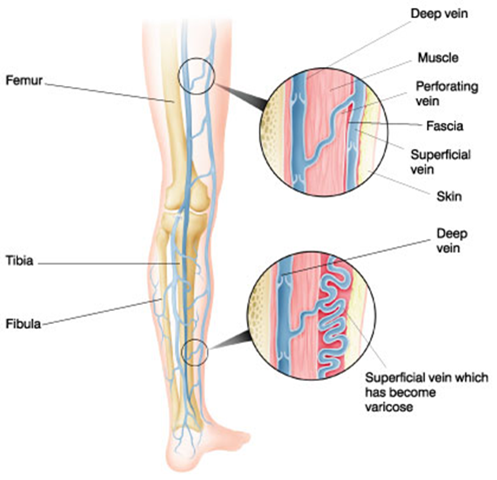
Varicose veins refer to twisted, enlarged or engorged veins. Varicose veins can develop in any part of the body. But most commonly, they are seen in the legs and the feet. Varicose veins in the legs develop as a result of the pooling of blood due to improper functioning of the valves in the veins.   homeopathic medicines for varicose veins

Homeopathy provides highly effective and safe treatment for varicose veins. Homeopathic medicines effectively help manage their symptoms like cramping, pain, tiredness, and a feeling of heaviness in the legs. They also strengthen the valves of the veins in the legs, reducing blood engorgement and offering symptomatic relief. One of the biggest benefits of using these medicines is that they cause no side effects. These medicines are obtained through natural substances and are highly diluted, yet potent, and they work to prevent the back-flow of blood in the veins.

 Gentle and Non-Invasive Treatment

The conventional treatment for varicose veins usually involves techniques like laser surgery, sclerotherapy, endoscopic vein surgery, and endovenous ablation therapy. Despite an invasive surgery, the chances of recurrence of the problem are high. On the other hand, homeopathy treats varicose veins gently and prevents surgical interventions in most of the cases that are mild to moderate.

 Homeopathy Boosts Self-Healing Mechanism

Homeopathic medicines help restore the internal healing process of the body. This helps address the medical condition naturally. Unlike conventional treatment, homeopathy offers long-term relief from varicose veins. Once homeopathic treatment has been successfully administered, the chances of the condition recurring are rare or may be none.

Individualized Treatment

Homeopathic prescription for varicose veins is done based on the law of individualization. This means the characteristic symptoms in every individual case are studied in detail to decide the prescriptions. Such individualized medicines work best to treat varicose veins. There is a huge scope to treat mild to moderate cases of varicose veins in homeopathy. However, severe cases and cases that have associated complications require conventional treatment as homeopathy has its own limitations.

Top 11 Homeopathic Medicines for Varicose Veins

The top eleven homeopathic medicines for varicose veins include natural medicines like Hamamelis Virginiana, Pulsatilla Nigricans, Calcarea Fluorata, Fluoricum Acidum, Arnica Montana, Carbo Vegetabilis, Calcarea Carbonica, Vipera Berus, Lachesis Muta, Sepia Officinalis and Ferrum Metallicum.

1. Hamamelis Virginiana – Most Useful Medicine for Varicose Veins

Hamamelis Virginiana is prepared from a plant commonly named “witch–hazel”. This plant belongs to the family Hamamelidaceae. It is a very effective medicine to reduce engorgement of blood in veins in cases of varicose veins. Its most prominent indication is aching or fatigue in the legs. Along with this, a tense feeling in the legs may be observed. The varicosities may look like hard and knotty swellings in the legs. A dragging sensation in the legs may accompany. Pain in varicose veins from the slightest motion is another key symptom. Soreness of varicose veins may also arise. Hamamelis Virginiana can help to reduce the engorgement of blood in veins and its related symptoms. Deep-rooted, circular ulcers with stinging, pricking pain and high sensitivity are other prominent features to use the homeopathic medicine Hamamelis Virginiana.

When to use Hamamelis Virginiana?

This remedy is mostly recommended to manage varicose veins if one reports aching and a feeling of fatigue in the legs along with pain from the slightest movement by reducing engorgement of blood in the veins.

How to use Hamamelis Virginiana?

One may be prescribed this medicine in 30 C potency one to three times daily, depending on the intensity of the pain.

2. Pulsatilla Nigricans – For Painful Varicose Veins

Pulsatilla Nigricans is administered for varicose veins among women when the symptoms worsen during menses and for the lower limbs, the forearms, and the hands. The veins are painful, swollen and congested. Patients who require these medicines have marked tiredness in the legs, especially due to prolonged standing. Varicose veins associated with mild edema of the feet and ankles are also wonderfully treated with Pulsatilla.

When to use Pulsatilla Nigricans?

It is a wonderful medicine for varicose veins if there is drawing pain, or cramping that aggravates from hanging down limbs while sitting.

How to use Pulsatilla Nigricans?

It is administered in 30 C potency one to two times a day for best possible results.

3. Calcarea Fluorata – For Hard, Knotty Varicose Veins

Calcarea Fluorata is a highly recommended remedy for varicose veins. It is a biochemic medicine for varicose veins that works wonderfully in reducing the engorgement of blood in veins and improving blood circulation. A few indications for using Calcarea Fluor are enlarged veins, hardened veins, and knotty veins on lower limbs. The accompanying features are cracked and dry skin on the legs.

When to use Calcarea Fluorata?

One may use it in cases of hard, knotty veins on the legs that can be accompanied by cracked and dry skin on the legs.

How to use Calcarea Fluor?

Its use is preferred in 6X potency and can be administered three to four times a day.

4. Fluoricum Acidum – For Varicose Veins Worsened By Warmth

Fluoricum Acidum is a valuable medicine for the treatment of varicose veins. The most characteristic feature of using Fluoric Acid is painful varicose veins in the legs that worsen due to warmth. Fluoric Acid is used to treat long-standing, obstinate cases of this disease. Apart from the above mentioned symptoms, Fluoric Acid is useful for varicose ulcers with red margins. Pain in ulcers is severe, and warmth worsens the pain while cold application provides relief.

When to use Fluoricum Acidum?

Fluoric Acid is a very suitable medicine to treat varicose veins on the legs when the condition aggravates from any kind of warm application externally. Besides, it is also beneficial to manage varicose ulcers that have red borders attended with pain.

How to use Fluoricum Acidum?

Among various available potencies of Fluoric Acid, the best is to begin with 30C potency that can be administered one to two times daily depending on the intensity of the problem.

5. Arnica Montana – For Varicose Veins with Soreness in Legs

Arnica Montana is prepared from the plant ‘Leopard’s Bane’ which belongs to the natural order Composite. Arnica Montana is a valuable medicine for varicose veins with extreme soreness as an accompanying factor. One has a fear of touching the legs due to soreness. Exertion makes the complaint worse. An aching, bruised sensation in the legs is also felt in some cases. A bruised feeling in the legs — feeling beaten — may also be present. The skin of the legs may also be swollen, red, and hot.

When to use Arnica Montana?

This medicine can be prescribed for managing varicose veins accompanied by marked soreness. One also feels the pain on being touched.

How to use Arnica Montana?

It is most commonly used in 30 C potency. Arnica 30C can be used two or three times a day.

6. Carbo Vegetabilis – For Spider Veins

Carbo Vegetabilis is a prominently indicated remedy for spider veins. The veins appear reddish-blue. The skin feels sweaty and cold, and the person may experience itching that aggravates during the evenings. Varicose ulcers that bleed easily also indicate the need to administer Carbo Veg.

 When to use Carbo Vegetabilis?

It is a highly recommended medicine for spider veins with a reddish-blue appearance.

How to use Carbo Vegetabilis?

It has proven to be effective in 30C power that can be administered one to two times daily.

7. Calcarea Carbonica For Painless Varicose Veins

Calcarea Carb is an excellent remedy for varicose veins. It is useful for varicose veins that are painless and appear only as prominent veins on the legs. Burning sensations in the veins may be present in a few cases. A marked coldness in the feet, excessive sweat on the feet (sour-smelling), and varicose veins on the legs and thighs are treated quite well with Calcarea Carb.

When to use Calcarea Carbonica?

This medicine can be used in cases of varicose veins without any sort of pain.

How to use Calcarea Carbonica?

This medicine can be administered in 30C potency only once a day.

8. Vipera Berus For Varicose Veins with Bursting Sensation in Legs

Vipera Berus is a well-indicated remedy for varicose veins with a marked ‘bursting’ feeling in the legs. There is pain of an unbearable nature that worsens when one hangs down the legs. Elevating the legs brings about relief. Severe cramping pain in the legs is also present. Swollen, tender veins and blueness of overlying skin are highly indicative of using the medicine Vipera Berus.

When to use Vipera Berus?

Vipera Berus can be administered in cases of varicose veins where there is a prominent bursting sensation and the pain in the legs aggravates, particularly when one hangs the legs down and when one elevates the legs, the pain starts reducing.

How to use Vipera Berus?

It should be used in infrequent doses like one dose once or twice a week in 30C power.

9. Lachesis Muta For Varicose Ulcers

Lachesis Muta is an important medicine for treating varicose ulcers. The patients who need Lachesis Muta have ulcers with bluish-purplish surroundings. There is a thin, offensive discharge from the ulcers. Pus discharges may also be present in a few cases. Bleeding may arise from the ulcers, and an intense burning sensation may be felt. There is extreme pain and high sensitivity when one touches the ulcer. Applying warmth to the ulcers helps provide relief. Itching that gets noticeably worse after sleeping is another key symptom.

When to use Lachesis Muta?

Lachesis is a wonderful choice of medicine indicated for managing varicose ulcers having bluish-purplish margins with a thin, offensive discharge accompanied by a burning sensation.

How to use Lachesis Muta?

It is a strong medicine; therefore, it should not be taken frequently. It should be administered in 30C potency, one dose and once a week only.

10. Sepia Officinalis For Varicose Veins During Pregnancy

Sepia Officinalis is especially useful in varicose veins for women, particularly during pregnancy, after repeated childbirth, or at menopause. The veins are distended, painful and bluish, with a feeling of heaviness and bearing down pain in the lower limbs. Among the patients who need this medicine, the disease aggravates due to standing for long hours and it gets better by exercise or by crossing the legs. Varicose veins are often associated with uterine weakness and pelvic congestion.

When to use Sepia Officinalis?

Veins are distended, bluish, and painful, with marked heaviness and bearing-down sensation in the lower limbs. Complaints get worse from prolonged standing and they get better by walking or crossing the legs.

How to use Sepia Officinalis?

It is recommended in 30C potency once a day or on alternate days, while 200C may be given only once a week, with repetitions reduced as improvement sets in. However, always take advice from a qualified homeopath before using the medicines.

11. Ferrum Metallicum For Varicose Veins Associated with Weakness and Anemia

Ferrum Metallicum is another useful medicine to treat varicose veins associated with weakness and anemia. The veins appear prominent and painful, with flushes of heat, yet the patient feels weak and easily fatigued. Symptoms aggravate due to walking or exertion, and limbs may be cold with congestion. Varicose veins associated with low vitality and poor blood circulation are very well treated with this medicine.

When to use Ferrum Metallicum ?

This medicine is administered in varicose veins to anemic and debilitated patients with weak circulation. The veins are prominent and painful, fatigue comes easily and extremities or limbs are cold.

How to use Ferrum Metallicum?

It may be administered in 6X potency two times daily for supportive treatment or in 30C potency once a day and 200C once a week, under the guidance of a qualified homeopath.

Symptoms of Varicose Veins

Varicose veins may not cause any symptoms in most of the cases and only appear as dark/purple-colored prominent veins in the legs. General symptoms include feeling tired, aching, or feeling of heaviness in the legs, throbbing and cramping in the legs, and worsening of pain from sitting or standing for long periods.
Color changes, swelling/inflammation, and ulcers on the legs may be indicative of intense changes like phlebitis (inflammation in a vein) and venous ulcers and should be addressed promptly.

Spider Veins are Not Varicose Veins

Spider veins are dilated clusters of tiny (less than 1mm diameter) superficial blood vessels developing close to the surface of the skin. They are also called telangiectasias. Spider veins appear as thin, red, blue, and purple lines or as web-like networks of blood vessels on the surface of the skin. These look like a spider’s web. They mostly appear on the face, legs, and feet. They don’t usually cause any problems and are mainly considered to be a superficial issue. These are generally common in older adults.

Varicose Veins How Do They Develop?

The veins in our legs contain one-way valves. These valves of the veins allow only one-way blood flow (from the legs to the heart) when the muscles squeeze the veins in the legs. When the muscles contract, the valves open and blood from the legs pushes upwards to reach the heart. When these muscles relax, the valves close to prevent the reverse flow of blood back into the legs. In case these valves dont function properly, it results in a reverse flow of blood and stagnation of blood in the leg. This causes the veins to become twisted, enlarged, and engorged, and they are known as varicose veins.

Factors that Contribute to Varicose Veins

1. Obesity: Obese people often develop varicose veins without any knowledge, as the veins arenot visible beneath the layersof the skin (due to accumulated fat). With time, the pressure from the leaking veins causes damage to the surface of the skin, and the problem becomes visible. This also puts many overweight people at a higher risk of developing leg ulceration.

2. Standing/Sitting for a Long Time: Sitting or standing for long durations leads topoor blood circulationin the legs. When we sit, it becomes harder for the veins to move the blood to the heart. Over time, this can cause swelling in the ankles, blood clots, and varicose veins. Sitting with the legs crossed or bent for long durations can aggravate the problem.

3. Old Age: With age, the veins lose elasticityand cause them to stretch. This causes the valves in the veins to become weak. As a result, the blood that should be moving towards the heart starts flowing downwards.

4. Pregnancy: During pregnancy, it is very common for a woman to develop varicose veins since the volume of bloodin the bodyincreases, but overall, the flow of blood from the legs to the pelvis decreases. Varicose veins often develop or worsen during the later stages of pregnancy since the uterus starts to exert increased pressure on the veins in the legs. This condition often improves post pregnancy within three to twelve months.

5. Age: The chances of developing varicose veins increase with age. Aging causes the wearandtear of the valves in the veins, allowing blood to flow back into the veins where it gets collected.

6. Gender: Females are more likely to develop varicose veins due to hormonal changesthey undergo throughout their lifetime. Pregnancy, pre-menstruation, menopause, hormone replacement therapy, and the use of birth control pills all cause hormonal changes in a woman’s body. Female hormonesare known to relax the walls of the veins.

7. Family History: A family history of varicose veins makes a person more prone to develop this condition.

Complications Related to Varicose Veins

1. Bleeding: Veins that are close to the skinmay rupture and bleed. The bleeding may take place spontaneously or result from a minor injury.

2. Venous Ulcers: A venous ulcer is apainful sorethat develops on the skin of the inner side of the leg, immediately above the ankle in case of varicose veins. Swelling of the ankle, leg, and heaviness felt in the legs, foul-smelling discharge from the ulcers, burning sensation, itching, and pain of varying severity may be felt. A high fever may also be present in cases of infection.

3. Varicose Eczema: Varicose eczema (also known as stasis / gravitational eczema) is another complication of varicose veins. It affects the lower legs, where the skin gets dry, itchy, red, scaly, and flaky.

4. Superficial Thrombophlebitis: Superficial thrombophlebitis refers to an inflammation of the vein near the surface of the skin caused by a blood clot.

5. DVT (Deep Vein Thrombosis): Deep vein thrombosis (DVT) refers to the development of a blood clot withina vein deep inside the body (usually in the leg). DVT may lead to severe complications like pulmonary embolism (when blood clots in veins break and travel via the bloodstream to lodge in the lungs), which is an emergency condition that requires immediate medical intervention. Common symptoms of pulmonary embolism include sudden shortness of breath, dizziness, chest pain, rapid pulse, and spitting of blood.

Lifestyle Management for Varicose Veins

A few lifestyle modifications that help in managing varicose veins:

1. Physical activity and non-exerting exercises – Regular short-distance walks and taking regular breaks in between help in calf muscle strengthening and improving venous circulation in the legs.

2. Leg Elevation – Elevating your legs for 15-20 minutes three to four times a day helps in reducing venous congestion and also in reducing swelling and heaviness in legs.

3. Weight Management – Being obese or overweight puts additional pressure on the veins of the legs; therefore, reducing weight helps in improving blood circulation and managing symptoms.

4. Compression Therapy – Wearing compression stockings helps in supporting veins and improving circulation. Slowly, they help in managing symptoms such as pain, swelling and heaviness.

5. Clothing and Footwear – Avoid tight clothing, especially around the waist, thighs, and legs, and avoid high-heeled shoes that will naturally help calf muscles function better.

Frequently Asked Questions

1. Are varicose veins dangerous?

In early stages, they are usually not dangerous, but if ignored, they can lead to skin discoloration, ulcers, eczema, or, in rare cases, might even lead to blood clots. Timely treatment helps prevent complications.

2. Can varicose veins resolve on their own?

Varicose veins usually do not disappear completely on their own. However, symptoms can improve with lifestyle modifications, exercises, elevation of legs, and proper treatment.

3. Is walking good for varicose veins?

Yes. Regular walks improve blood circulation in the legs and reduce swelling and heaviness. It is one of the best natural exercises for varicose vein patients.

4. Does standing or sitting for long periods aggravate varicose veins?

Yes. Staying in one position for a long time increases pressure in leg veins and worsens symptoms. Taking short breaks and moving the legs is very helpful.

5. Can varicose veins be prevented?

They can be prevented or slowed by maintaining regular exercise, a healthy weight, avoiding prolonged standing, elevating legs, and wearing comfortable footwear.

6. Is surgery the only treatment for varicose veins?

No, not always. Several patients improve with conservative management like lifestyle correction, compression stockings, and medical treatment. Surgery or procedures are needed only in advanced cases.

7. Can varicose veins recur after treatment?

In some cases, they may recur, especially if the lifestyle is not corrected. Following medical advice and regular follow-up reduces recurrence.

8. Are varicose veins common during pregnancy?

Yes. They are common due to hormonal changes and the pressure of the growing uterus. In many women, veins improve after delivery.

9. When should I consult a doctor?

You should consult a doctor if there is persistent pain, swelling, a change in skin color, itching, wounds that do not heal, or sudden worsening of veins.

10. Can homeopathy help with varicose veins?

Yes. Homeopathy can improve blood circulation, strengthen veins, reduce pain and swelling, and prevent further progression when taken regularly under proper guidance.

11. Will homeopathic medicines shrink the veins?

In early stages, veins may reduce in size and symptoms improve significantly. In chronic or advanced cases, visible veins may not disappear completely. However, discomfort and complications can be controlled.


Call Dr. Sharma's Clinic - From United States and Canada call 703-659-0873. Patients From rest of the world and India call +91-6283487321

7 Homeopathic Remedies for Healing Varicose Ulcers

A varicose ulcer is a sore which develops on the leg due to poor circulation of blood in the lower limb. The ulcer is usually located on the inner side of the leg, just above the ankle. There are valves in the veins of the legs that allow one-way blood flow from legs to the heart. Venous ulcers (open sores) occur when the veins in the legs do not push blood back up to the heart as they should due to which the blood backs up in the veins, building up the pressure, weakening the overlying skin on the top. If not treated, increased pressure and excess fluid in the affected area can cause an open sore to form. This type of wound can be slow to heal. The top homeopathic remedies for varicose ulcer are Acidum Fluoricum, Calendula Officinalis, Carbo Veg, Lachesis Muta, Pulsatilla, Arnica, and Calc. Carb. 

Homeopathic Remedies for Varicose Ulcer

Conventional treatments for treating leg ulcers usually involve getting rid of the diseased tissue and any callused skin. This form of treatment relies on keeping the wound clean with regular dressings but does not accelerate healing time and is also troublesome. Antibiotics may also be used if the ulcer becomes infected, but they don’t help ulcers to heal. However, unless the underlying cause of the ulcer is addressed, there’s a high risk of a venous leg ulcer recurring after treatment so Homeopathy can be a great supportive therapy in such conditions by focusing on the symptoms of itching, burning, and pain in the ulcer along with strengthening the body’s immunity and self-healing capacity for gradual healing of the ulcer to prevent its reoccurrence.

1. Acidum Fluoricum

Acidum Fluoricum is a remedy used to treat a number of health conditions like those that have an impact on the fibrous tissues like the bones and veins. Such conditions may include pain in the varicose veins and other more severe ailments like bone tumors. In addition, this medicine is an effective remedy to prevent the decay of teeth.
Fluoric acid is made from the chemical condensation of calcium fluoride. In this case, the veins have a tendency to become distended. The ulcers may cause immense pain and the condition, as well as pain, is likely to worsen when the individual keeps standing for prolonged periods. The ulcers have red edges and there may be the formation of vesicles. Itching with a burning sensation, a swollen leg, and relief upon using cold compress are some of the symptoms indicating towards the remedy.

2. Calendula Officinalis

Calendula Officinalis is a medicine used to treat varicose ulcers with copious pus discharge. It is made from a cultivated perennial herb Marigold of the family Compositae. Inflammation, stinging sensation and pain in the ulcer which is deep, red with ragged edges, lead to this medicine. This medicine is also used as a preventive measure against gangrene formation. The remedy has anti-inflammatory properties corresponding to its main action in injuries and inflammations.

3. Carbo Vegetabilis

Carbo Veg is used to treat varicose ulcers that bleed easily, even on the slightest touch. This remedy is made from vegetable charcoal of the family Fagaceae. The ulcer has a mottled purple color appearance and the skin surrounding it feels tense. There is burning pain in the ulcer along with foul-smelling pus discharge. Carbo Veg, corresponding to its source, is well known for its ability to absorb the toxins in the body with a tendency towards burning sensations and pains in the body.

Other Important Remedies

4. Lachesis Muta

Lachesis Muta is a medicine used to treat varicose ulcers which are sensitive to touch. There may be a thin, offensive discharge from the ulcers. The surface of the ulcer is uneven and looks dirty, purplish. Bluish-blackish skin may surround the ulcer. There may be a burning sensation in the ulcers mostly at night. This medicine is indicated for varicose ulcers that arise as a result of an injury.

5. Pulsatilla Nigricans

Pulsatilla is used to treat varicose ulcers with itching. The ulcer looks red and is hard to touch. Symptoms like smarting, shooting pain, burning, stinging and excoriating sensation in the ulcer that gets better on exposure to open air, are the key symptoms indicating towards the remedy. In some cases, a greenish-yellowish discharge may also be seen.

6. Arnica Montana

Arnica relieves pain, bruising and swelling of the varicose ulcers associated with trauma or overexertion.

7. Calcarea Carb

Varicose ulcers that hurt while the person is standing or walking respond to the remedy Calc. Carb. People who need this remedy often have a poor blood circulation with an associated sensation of chilliness.

Causes of Ulcer Formation

The veins in our legs have one-way valves that keep blood flowing up toward your heart. When these valves become weak, blood can flow backward and gets accumulated in the legs. This is called Venous Insufficiency. The excess fluid causes the blood pressure to build up. The increase in pressure and buildup of fluid prevents nutrients and oxygen from getting to the tissues. The lack of nutrients causes the cells to die, damaging the tissue, and thus forming a wound (sore).

Risk Factors

Different risk factors predispose a person towards the formation of varicose ulcers. The factors include conditions like the presence of Varicose veins, history of blood clots in the legs (deep vein thrombosis), blockage of the lymph vessels, Older age, more common in females, or being tall, in conditions of Obesity, Pregnancy. Smoking is also a factor that can put a person to risk and so can sitting or standing for long hours. A family history of venous insufficiency is another risk factor seen. Fractures of long bones in the leg or other serious injuries, such as burns or muscle damage also increase the risk.
These risk factors are important and taken into consideration before the prescription of suitable remedies.

Signs and Symptoms

When blood pools in the veins of the lower limb, fluid and blood cells leak out into the skin and other tissues. This can cause itchy, thin skin and lead to skin changes called stasis dermatitis. This is an early sign of venous insufficiency. The sign of a varicose ulcer is an ulcer on the leg, near the ankle with shallow sore and a red base, sometimes covered by a yellow tissue with unevenly shaped borders. The surrounding skin may be shiny, tight, warm or hot, and discolored. Symptoms of leg pain, itching and burning can be troublesome. If the sore becomes infected, it may be offensive and pus may drain from the wound.

Other early signs include:
Leg swelling with heaviness and cramping.
Dark red, purple or brownish skin with hardening (this is a sign of blood pooling in the area)
Tingling sensation in the area.

Other Types of Leg Ulcers

Other common types of leg ulcers include:

Arterial leg ulcers- caused by the poor blood circulation in the arteries.
Diabetic leg ulcers -caused by high blood sugar associated with diabetes.
Vasculitic leg ulcers -associated with chronic inflammatory diseases like rheumatoid arthritis & lupus.
Traumatic leg ulcers -caused by any trauma to the leg.
Malignant leg ulcers -caused by a tumor of the skin of the leg.

Wound Care

The basic instructions to wound care for people at risk of developing an ulcer are as follows:

  1. Always keep the wound clean to prevent any infection.
  2. Keep the dressing and the skin around it dry. Try not to get the healthy tissue around the wound too wet as it can soften the healthy tissue, causing the wound to get bigger in size.
  3. Before applying a dressing, cleanse the wound thoroughly.
  4. Protect the skin around the wound by keeping it clean and moisturized.

To help treat a venous ulcer, blood flow to the legs needs to be improved for which we need to: –

  1. Wear compression stockings or bandages every day. They help prevent the blood from collecting, thus reducing swelling, pain and helping with healing.
  2. Lying down with the feet elevated up on pillows which improve the circulation.

Some warning signs of infection which need immediate assistance are:-

  1. Redness increased warmth or swelling around the wound.
  2. More drainage than before or drainage that is yellowish.
  3. Bleeding from the ulcer.
  4. Bad Odor from the wound.
  5. Fever or chills.
  6. Increased intensity of pain.

Lifestyle Management and Prevention

Lifestyle changes can help prevent venous ulcers. The following measures may help improve blood flow and aid healing:

  1. Quit smoking, as it is bad for the blood vessels.
  2. In diabetes, keeping the blood sugar level under control will help heal faster.
  3. Exercising much helps with the blood flow.
  4. Eating healthy foods and with a proper sleep routine.
  5. Lose weight in cases of obesity.
  6. Managing the blood pressure and cholesterol levels.

Call Dr. Sharma's Clinic - From United States and Canada call 703-659-0873. Patients From rest of the world and India call +91-6283487321

8 Best Homeopathic Medicines for Varicocele

Varicocele  is a medical issue characterized by the excessive enlargement of veins within the pampiniform plexus (a network of veins that drains blood from the testes and epididymis) in the scrotum which is the sac that holds the testicles. Enlargement of veins is typically caused by the pooling of blood in the vessels due to faulty valves which makes one feels as though there is “Bag of Worms” inside. Though Varicocele does not cause any apparent symptoms, in some cases it may lead to discomfort and mild pain that is felt distinctly post-physical activity. It is a very common condition that affects around 10 to 15 out of 100 males. Although it is not life-threatening, the enlargement of veins can interfere with the day-to-day function of the testicles leading to problems like impaired sperm production, low sperm count, infertility and poor sperm motility. 

How Homeopathic Effectively Treats Varicocele

1. Mild, safe and effective: Homeopathy offers a very effective, safe and non-invasive option for treatment of Varicocele. Homeopathic medicines are safe to use as they are derived from natural sources and are highly diluted without any side-effects. Homeopathy has proven efficacious especially in mild to moderate cases of Varicocele and helps prevent surgery in most cases. The medicines act at the root of the disease and brings excellent results.

2. Improving blood circulation and venous health: Though homeopathic remedies provide immense relief in symptoms such as swelling and pain in scrotum, heaviness and dragging sensation in the testicles and enlarged veins; it also restores proper blood flow in the veins and helps regulate the blood circulation in the pampiniform plexus to treat the disease from its root cause.

3. Strengthening body’s healing system: Homeopathic medicines stimulate the self-healing process to aid natural cure. By promoting self-regulation and restoring balance, homeopathy helps in eradicating the disease completely rather than masking the symptoms.

4. Individualized approach of treatment: Homeopathic medicine is administered on the basis of thorough evaluation of an individual’s symptoms by a qualified homeopathic physician and the remedy that closely matches the symptoms is prescribed. Various factors such as the patient’s age, duration of the complaints and intensity of the symptoms are taken into account before administering the potency, dosage and repetition of the chosen medicine.


Top 8 Homeopathic medicines for Varicocele

Top eight most widely recommended homeopathic medicines for Varicocele are Hamamelis Virginiana, Calcarea Fluorata, Pulsatilla Nigricans, Arnica Montana, Ruta Graveolens, Aesculus Hippocastanum, Nux Vomica and Silicea Terra.

1. Hamamelis Virginiana – Top Medicine for Varicocele

Hamamelis Virginiana is one of the top medicines for Varicocele.  This medicine works very effectively to improve blood flow in the veins and reduce blood pooling. Those who need it experience pain and swelling in the scrotum. Varicoceles with enlarged testicles or testicles that are hot and painful when touched are treated well with this medicine. Drawing pain in scrotum is marked that aggravates on standing, walking or sitting for long hours. Hamamelis is well-administered for markedly palpable veins and passive venous stasis.

When to use Hamamelis Virginiana?

Hamamelis is one of the top medicines for venous disorders. In Varicocele, it is particularly useful when veins are visibly dilated. Pain is dull rather than sharp & there is no marked inflammation but clear venous weakness.

How to use Hamamelis Virginiana?

This medicine is administered in both high and low potencies. To begin with, one may use its 30C potency once or twice a day. For using high potencies, consult a qualified homeopath.

2. Calcarea Fluorata – For Varicocele With Hard, Enlarged Veins

Calcarea Fluorata is very effective remedy for cases of Varicocele where blood flow is not proper in veins and there is congestion of blood in the veins. This medicine ensures good blood circulation in veins and improves swelling and pain in scrotum. Characteristic indications to use this medicine are enlarged, hard and tortuous veins of the spermatic cord and dragging sensation felt in the scrotum. Testicles may feel indurated or firm and complaints worsen if one stands for long duration. This medicine is mostly suited for patients with connective tissue weakness and there is a tendency to develop varicose veins in other parts of the body.

When to use Calcarea Fluorata?

Calcarea Fluorica is administered in cases of chronic Varicocele. It is the top medicine for structural venous changes such as loss of elasticity of veins. Veins are hard, enlarged and tortuous.

How to use Calcarea Fluorata?

It is administered in 6X potency to begin with. The potency can be raised to 30C & 200C after seeking advice from a qualified homoeopath.

3. Pulsatilla Nigricans – For Varicocele with Changeable Testicular Pains

Pulsatilla Nigricans is a natural homeopathic remedy prepared from plant “Windflower”, administered in cases of Varicocele where there is a feeling of heaviness and swelling of the testicles accompanied by tearing, drawing, and wandering pains. The symptoms characteristically change in nature and severity. The condition is noticeably aggravated by warmth and in closed or stuffy rooms, while there is notable relief in cool, fresh open air. There is often associated pelvic venous congestion. Pulsatilla is especially good for individuals whose temperament is gentle, mild, emotional, and yielding, and is commonly applicable in young males.

When to use Pulsatilla Nigricans?

Pulsatilla should be thought of in cases of Varicocele with testicular pains that shifts its location and intensity, heaviness and swelling of testicles worsen from heat and it gets better in open air. There is often associated pelvic venous congestion.

How to use Pulsatilla Nigricans?

It is absolutely safe to administer this medicine in 30C potency initially, one to three times a day but for high potencies like 200 C or more, consultation with a qualified homeopath is advised.

4. Arnica Montana – For Varicocele Developing Post-Injury

Arnica Montana is administered in cases of Varicocele that are a result of injury or trauma to the testicles that leads to venous congestion of the spermatic cord. There is noticeable soreness, bruised pain, and a feeling as if the testicles have been injured. The testicles are tender to touch, with a sense of heaviness and fullness in the scrotum. The pain worsens upon movement, pressure, or exertion. Arnica is particularly useful in the early or painful stages of Varicocele, especially when the complaints follow injury or mechanical strain.

When to use Arnica Montana?

Arnica should be administered in cases of Varicocele that develop as a result of strain, trauma or injury to the testicles and there is marked soreness, bruised pain, and a feeling as if the testicles have been injured. The patient complains of general soreness and there is tenderness to touch.

How to use Arnica Montana?

It can be safely used in 30C potency at the very outset, one to three times a day for best possible results.

5. Ruta Graveolens – For Varicocele from Overstraining of Veins

Ruta Graveolens is a strongly suggested remedy in cases of Varicocele where the main complaint is a deep-seated aching, bruised, or strained pain in the testicles and along the spermatic cord. The condition often follows overexertion, repeated strain, long standing, or injury, leading to venous congestion with a sense of heaviness and dragging in the scrotum. There is marked soreness on the affected parts, and pain gets worse when pressure is applied, or while sitting, or due to physical exertion. Rest helps in getting relief.

When to use Ruta Graveolens?

It is administered in cases with overexertion, repeated strain, long standing, or injury, leading to venous congestion with a sense of heaviness and dragging that is felt in the scrotum.

How to use Ruta Graveolens?

Ruta 30C can be administered three to four times daily depending upon the intensity of the symptoms.

6. Aesculus Hippocastanum – For Dull Aching Testicular Pain That Worsens Due To Standing

Aesculus Hippocastanum is administered in cases of Varicocele associated with noticeable venous congestion and a feeling of heaviness, fullness, and aching in the testicles and along the spermatic cord. There is a characteristic sensation of pressure and weight felt in the pelvic region, often accompanied by dull, aching pain that worsen due to standing or walking and it is relieved when one rests. The veins appear distended but without much inflammation. Patients may also have a general tendency to venous stasis elsewhere in the body, reflecting poor venous circulation.

When to use Aesculus Hippocastanum?

Aesculus is administered in cases of Varicocele associated with marked venous congestion and a feeling of heaviness, fullness, and aching in the testicles and along the spermatic cord. The veins appear distended but without much inflammation.

How to use Aesculus Hippocastanum?

The use of this medicine is recommended in both high and low potencies. In the beginning, one may use its 30C potency one to two times daily. For using high potencies, always consult a qualified homeopath.

7. Nux Vomica – For Varicocele With Pelvic Venous Congestion

Nux Vomica is a wonderful homeopathic remedy in cases of Varicocele that results from pelvic venous congestion associated with a sedentary lifestyle, mental strain, prolonged sitting, or excesses. The patient experiences a sense of tension, heaviness, and aching pain in the testicles, that often worsens at night, or after overexertion. The remedy suits irritable individuals who are sensitive to cold and easily disturbed by minor stimuli. Nux Vomica is especially of great use when Varicocele is connected to digestive disturbances, rectal congestion, and a general tendency to spasm and vascular engorgement.

When to use Nux Vomica?

Varicocele that originates from pelvic venous congestion associated with a sedentary lifestyle, mental strain, sitting for long hours, or excesses is fully treated by administering this medicine. The patient experiences a sense of tension, heaviness, and aching pain in the testicles.

How to use Nux Vomica?

This medicine is recommended in both high and low potencies. To begin with, one may use this in 30C potency one to two times a day for good results.

8. Silicea Terra – To Manage Chronic Venous Congestion

Silicea is administered in cases of Varicocele where there is chronic venous weakness and defective nutrition of tissues. It is especially recommended in long-standing, indurated, and sluggish conditions. Patients often about dragging pain, heaviness, and soreness in the scrotum, which may aggravate from standing, due to exertion, or exposure to cold. The veins may feel hard, enlarged, and knotty, and there is a tendency to chronic congestion.

When to use Silicea Terra?

Silicea can be administered in cases of Varicocele that presents with chronic venous congestion with tissue weakness and long-standing, indurated Varicocele and dragging scrotal uneasiness.

How to use Silicea Terra?

It should be administered in 6X potency to begin with. However, the potency can be raised to 30C & 200C after consulting a qualified homoeopath.

 Homeopathic medicines for low sperm count and Sexual Dysfunctions

To deal with low sperm count and altered sexual functions that may occur among patients suffering from Varicocele, some important homeopathic remedies are mentioned below. It is advised to consult a qualified homeopath about the dosage of potency and its repetition.

1. Radium Bromatum: It is useful in conditions of testicular atrophy, impaired spermatogenesis, and sexual weakness, especially if there is chronic venous congestion such as in long-standing Varicocele. It suits cases that have lowered sperm count, diminished sexual vitality, and functional exhaustion of the reproductive organs. There may be a history of radiation exposure or degenerative changes affecting the testes.

2. X-Ray: X-Ray is required if there is marked depression of sexual function, including oligospermia or azoospermia, particularly due to suppression of testicular activity. It is considered in Varicocele cases where prolonged congestion has led to functional sterility, testicular shrinkage, and lowered libido. General vital exhaustion and endocrine imbalance are often present.

3. Agnus Castus: It is a prime remedy for sexual debility and loss of desire, and potency. It is especially administered to Varicocele patients who suffer from impotence, absence of sexual desire, and thin seminal emissions. Erection is either weak or absent despite desire, and there may be premature exhaustion after intercourse.

4. Caladium Seguinum: Caladium is administered in cases where sexual desire is present but erectile power is missing. In Varicocele, it is useful if venous congestion causes erectile failure, low sperm vitality, and performance anxiety. Patients may have nocturnal emissions without erection and a sense of sexual frustration.

5. Damiana: Damiana acts as a sexual tonic in cases of low sperm count, functional sexual weakness, and reduced vitality due to chronic pelvic congestion like Varicocele. It is beneficial if there is physical and mental exhaustion, decreased stamina, and poor seminal quality without structural damage.

What Are the Signs And Symptoms Of Varicocele?

Varicocele may not lead to any symptoms in several cases. However, some symptoms and signs may indicate Varicocele such as:

1. A lump in scrotum/swelling in the scrotum: In most cases of Varicocele, a swelling or lump is present in the scrotum. In case of small Varicocele, lump may be felt but may not be seen. In large Varicocele, the enlarged and twisted veins in scrotum are clearly noticeable that look like a bag of worms.

2. Side: Varicocele mostly is one-sided. Either side can be involved. However, chances of left-sided Varicocele remain high. Varicocele is 80-90 per cent times common in left testicle. In rare cases, both sides can be involved.

3. Pain: Varicocele is mostly painless but in some cases, it might cause pain. The pain in the scrotum is usually dull, throbbing but rarely sharp. Increased temperature in testicles, increased pressure in scrotal veins and stretching of nerve fibres in the spermatic cord from dilated veins may be a contributing factor that results in pain. The pain may aggravate as the day progresses, or if one is stationary or after physical exertion. There may be relief from pain by lying on ones back. The testicles could also feel heavy.

4. Size: The affected testicle may look smaller than the other.

5. Growth of left testicle at low pace during puberty.

6. Varicocele may lead to decreased sperm production, reduced sperm motility and poor quality of sperms. The shape of the sperms may become abnormal. Infertility may also arise in several cases. Lastly, it can cause atrophy/shrinkage of size of the testicles.


What are the causes behind Varicocele?

1. There are two testicular arteries that supply oxygenated blood to testicles and two testicular veins that carry deoxygenated blood from testicles to heart. There is a network of small veins called pampiniform plexus in the scrotum (which holds the testes) that carries deoxygenated blood from testicles to testicular vein. The reason that leads to Varicocele is not clear yet. However, it arises from pooling of the blood in the veins of pampiniform plexus. This happens when the valves inside the veins of spermatic cord, that allows one-way blood circulation, do not work the right way. It prevents proper blood circulation in the proper direction that it should resulting in the back (reverse) flow of blood causing the veins within the scrotum to widen and enlarge resulting in Varicocele.

2. Spermatic cord is a tube that hangs testes in scrotum and contains testicular artery, lymphatic vessels, pampiniform plexus, nerves and vas deferens that carry sperms from testes to penis.

3. Deep vein thrombosis (a blood clot in one of the deep veins of the body usually in legs), thrombosis (blood clot within blood vessel) of pampiniform plexus are some of the rare causes of Varicocele.

4. It usually affects men between 15-25 age groups.

5. Tobacco may increase the risk of Varicocele.

How is Varicocele classified?

–Based on size and clinical examination these are classified as follows:

1. Large Varicoceles: These can be easily detected by simple inspection (looking over) and appear like bag of worms.

2. Medium Varicoceles: These are the ones that are detected by palpation (using fingers to clinically observe the patients).

3. Small Varicoceles: These Varicoceles can be detected during strong bearing down (valsalva).

— Another classification is as follows:

1. Pressure type Varicocele: In this spermatic vein fills with blood resulting in grade I Varicocele.

2. Shunt type Varicocele: In this, intense build-up of blood damages spermatic vein and other veins causing larger Varicocele including grade II and III.

 Grading system of size of Varicocele

Grade 0 – When Varicocele is not detected physically and is only visible on conducting an ultrasound of the scrotum

Grade I – When Varicocele is felt only on palpation (checking with fingers) during valsalva maneuver when standing

Grade II – when Varicocele is palpable when standing even without valsalva maneuver but not visible

Grade III – When it cause visible scrotal deformity i.e. Varicocele is visible through scrotal skin

Grading as per colour Doppler, given by Sarteschi, is as follows:

Grade I – Reflux occurs at the groin level during valsalva. There is no testicular enlargement, without any deformity of scrotum.

Grade II – Reflux occurs at the level of the proximal part of pampiniform plexus only during valsalva. There is no testicular enlargement or deformity of scrotum.

Grade III – In this grade, reflux occurs in distal vessels at the level of lower scrotum during Valsalva, without testicular enlargement or scrotal deformity.

Grade IV – There is spontaneous reverse blood flow which increases during Valsalva. Scrotal deformity and testicular hypertrophy (enlargement) may be seen.

Grade V – The reflux in dilated pampiniform plexus occurs at rest that increases during valsalva and is always attended with testicular enlargement.

What are the complications?

1. Impaired sperm production: A certain body temperature is needed in the testes for normal good quality sperm production, maturation and function. The heat in scrotum is approx. 5 degrees less than that of the belly. The pampiniform plexus works to cool down blood in the testicular artery prior to its entry to testicle. If there is enlargement of veins in pampiniform plexus its normal functionality drops resulting in overheating in the testes which affects normal production of sperms. When microscopic semen examination is carried out in the case of Varicocele, a stress pattern is observed. The sperm count becomes low, the sperms show poor motility and there is an increase in the number of abnormal sperms.

2. 4 out of 10 males having Varicocele also report infertility.

3. Low testosterone production by Leydig cells in the testes

4. Among the boys, Varicocele may slow testicle growth during puberty

5. Atrophy of the testes

What other conditions need to be ruled out when making a diagnosis of Varicocele (Differential Daignosis)?

1. Hydrocele: Swollen scrotum due to collection of excessive fluid in the sheath (tunica vaginalis) surrounding a testicle.

2. Epididymitis: Inflamed epididymis (a coiled tube at the back of testicles that stores sperms while they mature and carries sperms from the testes to the vas deferens).

3. Spermatocele: cyst developing inside the scrotum

4. Trauma

5. Testicular and paratesticular tumour

6. Testicular torsion: An emergency condition in which spermatic cord that carries blood to testes rotates and twists.

7. Inguinal hernia: Bulging of the contents of the abdomen through a weak spot in the lower abdominal wall.

How to Diagnose Varicocele?

1. Physical examination: A physician can carry out a clinical diagnosis by visually checking scrotum and by palpation (examining scrotum by using fingers and hands). In many cases, Varicocele cannot be seen or felt in a lying down position. So the doctor may also examine the scrotum in a standing position.

2. He may ask you to stand up, take a deep breath in standing position and to hold the breath and bear down to do the scrotal examination and check for any enlarged veins in it. It is called the Valsalva maneuver.

3. Scrotal Doppler ultrasound: Doctors may ask for a doppler ultrasound of scrotum to confirm diagnosis and rule out any other cause of the symptoms.

4. Veins of pampiniform plexus wider than 3mm with blood flow in the wrong direction during valsalva maneuver are indicative of Varicocele. If it is Varicocele, grading will also be done with its help. Ultrasound also examines the size of testicles.

5. In the case of Varicocele on the right side, it is pertinent to rule out any mass or tumor in the abdomen that may be the cause. There is a possibility of renal cell carcinoma in case of isolated right-sided Varicocele. It could occur from vena cava obstruction from right renal cancer vein tumor thrombus. If suspected, CT scan is recommended.

Frequently Asked Questions

1. Does homeopathy permanently treat Varicocele?

Homeopathy provides effective manages cases of Varicocele and also helps cure. Though, homeopathy can cure Varicocele, results may differ based on several factors like the grade of Varicocele, duration of the symptoms, severity of the symptoms, presence of any complications and an individual’s response to homeopathic medicine.  There are chances of cure in low grade Varicocele cases while in high grades, only symptomatic help can be administered with homeopathic medicines.

2. Can homeopathy help in relieving all grades of Varicocele?

Homeopathy wonderfully treats all grades of Varicocele. Grade one and two show excellent results and can even be cured. Among the rest of the grades from III to V, homeopathic remedies have certain limitations but symptomatic management is possible.

3. My doctor suggested surgery for Varicocele which I want to avoid. Can I benefit from homeopathic medicines?

If you are looking for an alternative treatment method for your Varicocele complaint, you can definitely try homeopathy in your case. Homeopathic medicines are very natural, safe and without side-effects. A detailed case discussion is required to assess the grade of Varicocele and associated signs and symptoms along with its intensity before any prescription. Depending on the grade of Varicocele, you may get relief in signs and symptoms, but if we talk of cure then it is possible only in early grades.

4. I have testicular atrophy from Varicocele. Can homeopathy help treat it?

Homeopathic medicines though cannot reverse the atrophy of the testes that has already set in, but these can be tried to prevent aggravation of the problem.

5. I have swelling and a lump in my scrotum. Am I suffering from Varicocele?

Though having a swelling and lump in scrotum might indicate Varicocele, since it is one of the reasons, but just on this basis, it cannot be confirmed as Varicocele. Other possible reasons could be hydrocele, spermatocele, epididymitis, tumor, so a proper case study and investigations (mainly ultrasound of scrotum) is needed to reach a proper diagnosis.

6. Why is Varicocele more common on the left side?

The reason could be the different path followed by both internal spermatic veins. The right internal spermatic vein terminates directly in inferior vena cava having low pressure while the left-sided internal spermatic vein connects with the left renal vein with comparatively high pressure. Additionally, the particular angle at the junction of the left internal spermatic vein and left renal vein contribute to high chances of left-sided Varicocele.

7. Do I need to undergo any investigation to diagnose Varicocele?

Yes, for confirmatory diagnosis of Varicocele, a doppler ultrasound of scrotum is needed.

8. Does Varicocele go away on its own without treatment?

Once Varicocele sets in, it does not go away on its own. It is always advised to go for treatment.

9. Is Varicocele dangerous?

Though it is not dangerous or life threatening, it can result in certain complications like infertility and low sperm count.

10. I have been diagnosed with Varicocele grade II, I have no related pain. Do I have to get it treated?

I would advise you to take proper treatment even if it is painless to stop its progression and avoid any complications related to Varicocele, like infertility, low testosterone levels, low sperm count, and erectile dysfunction.

11. Can my erectile dysfunction be related to my Varicocele issue?

Yes it could be due to Varicocele. There is a connection between Varicocele and erectile dysfunction. Varicocele can lead to low production of testosterone which is the main primary male hormone. Low testosterone levels may contribute to erection issues.

12. Does Varicocele lead to low sperm count?

Yes, Varicocele may lead to low sperm count but it does not occur in every case of Varicocele.

13. Can Varicocele be cured by exercise?

Exercise can not cure Varicocele, rather it can aggravate the swelling and pain in the scrotum. Yoga (strictly under supervision) may be helpful in improving blood flow and the symptoms may get better.

14. Does gymming worsen Varicocele?

Yes, gymming can aggravate Varicocele as it tends to put too much of strain on blood vessels and can cause more harm to the veins. It also causes a significant increase in pain.

15. Does Varicocele recur after surgery?

Yes, Varicocele can resurface after surgery. In around 45 per cent of the surgically treated cases, Varicocele tends to recur depending on the surgical method adopted.

Call Dr. Sharma's Clinic - From United States and Canada call 703-659-0873. Patients From rest of the world and India call +91-6283487321

10 Best Homeopathic Medicines for Eczema

Homeopathic Medicines for Eczema

Eczema, also known as dermatitis, refers to an inflammatory disorder of the skin characterized by inflamed skin with a red, rough and an itchy rash. In some cases, the rash may be dry and develop cracks without any eruptions. In some cases, eruptions may arise in the form of papules (small eruptions without any fluid), vesicles (fluid-filled eruptions) or pustules (pus-filled eruptions), or skin peels. The condition may affect a small area or spread all over the body. Itching, with mild or severe intensity, may be felt and skin may bleed on scratching.

Homeopathy provides a very gentle, safe and highly effective treatment option for the cases of eczema. Homeopathic medicines help to reduce skin inflammation by optimizing the overactive immune system and work in restoring the skin barrier to retain skin moisture. Simultaneously, they focus on healing the rash and eruptions on the skin extremely well along with managing attending signs and symptoms like itching, burning, dryness, flaking, tenderness, pain, and bleeding. Further, these remedies halt the progression of the disease and help to treat the root cause that sets in long-term relief rather than temporary comfort. Homeopathy also helps in reducing reliance on harmful topical creams like corticosteroids, hydrocortisone ointments and immune suppressants prescribed in conventional medicine. Medicated creams only remove the outer manifestation of the disease and do not cure eczema. They, rather, harm by driving the disease into some important, centrally-located organ in the body and manifest it in a more harmful way (asthma, for example).

Safe and effective treatment

Homeopathy offers safe and effective treatment for eczema in individuals of all age groups. Homeopathy assures zero side effects of its medicines which are prepared from natural substances.

Homeopathy treats through oral medicines

Homeopathy believes in the principle that skin ailments are an outward expression of some internal disturbance in the body. Therefore, homeopathic medicines focus on healing internally rather than externally (like ointments). These remedies are taken orally (by mouth) that treat the internal turmoil in the body that is being expressed on the skin. Once the internal system attains a state of balance, the symptoms improve gradually.

Individualized approach to treatment

It is the totality of symptoms that help in the correct diagnosis in every individual case and helps in guiding the homeopath to recommend the most suitable homeopathic medicine. In homeopathy, a thorough case-taking is followed by deep evaluation to come to the conclusion regarding the prescription to give the best results. So, one should always take homeopathic medicine for eczema after consulting a qualified homeopathic physician. Self-medication may not help as a person not well acquainted with homeopathic laws does not know how to prescribe the medicines, select the dosage, potency and its repetition.

Homeopathy offers relief without suppression

Homeopathic treatment is non-suppressive, which means that homeopathic remedies do not suppress the symptoms of eczema; they follow an approach to cure it from its origin. If you suppress a disease, there are always chances of some graver manifestation in the body internally. Homeopathic medicines provide natural cure without suppression.

Top 10 Homeopathic Medicines for Eczema

The ten best remedies for the treatment of eczema are Graphites Naturalis, Sulphur, Natrum Muriaticum, Petroleum, Psorinum, Mezereum, Vinca Minor, Tellurium Metallicum, Arsenicum Album and Sepia Officinalis.

1. Graphites Naturalis – Top Grade Medicine for Eczema

Graphites Naturalis is a renowned homeopathic medicine for the cure of eczema. It works wonderfully in case of both, moist eczema and dry eczema. The main signs in dry eczema are excessively rough, dry and unhealthy looking skin accompanied by severe irritation. Cracks may develop on the affected part of the skin.

In moist eczema, it should be used when the skin oozes moist, sticky fluid in any part of the body-bend, such as the elbow, behind the knees, behind the ears, on one’s face (especially around the mouth, chin, and nose), on one’s hands, eyelids, between fingers, and scalp.

When to use Graphites Naturalis?

It is a great choice of medicine for treating both moist and dry eczema. Eczema which is dry with rough skin or cracks as well as moist eczema with discharge of sticky fluid is treated well with the use of Graphites.

How to use Graphites Naturalis?

In a majority cases, it works well in low potencies. To begin with, it can be administered in 3X potency one to two times a day depending on the severity of the complaint.

 2. Sulphur – For Eczema with Intense Itching

Sulphur is the best medicine to manage itchy eczema. It can control itching in eczema patches very effectively. Those who need it complain about aggravated itching in the evening and night. Warm temperatures worsen itching which leads to scratching followed by a burning sensation. A person gets relief from itching in the affected part but it appears in some other part of the body. Sulphur can also be used for the symptoms of moist eczema when there is a discharge of yellow fluid from eruptions. Sulphur is also the most appropriate choice of remedy when cases of eczema have been treated with ointments in the past with no relief.

When to use Sulphur?

Sulphur should be administered to treat eczema rashes that have constant itching and aggravate in the evening and night.

How to use Sulphur?

Though it can be used in both low and high potencies, it is safe to ingest 30C power initially. Its dosage should not exceed one dose daily. Do not use its high potencies without a homeopath’s consultation.

3. Natrum Muriaticum – For Eczema On The Margins Of The Hairline

For eczema on the edges of the hair, Natrum Muriaticum is a highly recommended medicine. There is marked redness and inflammation on the edge of the hairline. The rash may ooze fluid. It may also damage the hair. Dry, red and inflamed rashes in eczema are wonderfully treated by using this medicine.

When to use Natrum Muriaticum?

This medicine can be administered if eczema is specifically located on the margins of the hairline with excessive inflammation and redness.

How to use Natrum Muriaticum?

Natrum Mur 6X can be administered twice or thrice daily as per the intensity of the complaint.

4. Petroleum – For Eczema With Deep Cracks And Bleeding

The key symptom to use petroleum in eczema is when you see deep cracks on the skin, accompanied by bleeding. Where eczema hits, the skin gets hard, dry, and rough. This medicine helps reduce the dryness of skin and heals the cracks most gently and effectively.  Although cracks can develop on the skin in any part of the body, hands are the most affected which may feel itching and burning sensation. In several cases, eczema tends to worsen in the winters, for which petroleum is the most prescribed remedy.

When to use Petroleum?

Petroleum should be used if eczema is accompanied by bleeding and deep cracks. It is also one of the best homeopathic remedies to soothe flare-ups of eczema in the winters.

How to use Petroleum?

It can be administered in 30C potency two times a day for best possible results.

5. Psorinum – For Eczema In Bends (Folds Of Skin)

Psorinum is a very effective medicine when eczema appears in the bends or the folds of the skin. Rashes may appear on the bends of the elbow, armpit-folds or area behind the ear. In case of eczema behind the ear, a discharge may ooze; the rash may be itchy which disturb one’s sleep. Another key symptom to use this medicine is intolerable itching and crusty eruptions.

When to use Psorinum?

This medicine is recommended when eczema appears on the bends/folds of skin like elbow, armpits accompanied by severe itching and dryness.

How to use Psorinum?

It is advised to use Psorinum in 200C potency and even potencies higher than this. Don’t use this medicine without the advice of a homeopath since it is a strong medicine and the dose may vary on a case-to-case basis and is usually not to be repeated frequently.

6. Mezereum – For Thick, Crusty Eruptions With Pus Underneath

Mezereum is an important medicine to manage cases of eczema with thick crusty eruptions along with the presence of pus underneath. It is accompanied by intolerable itching. At times, the eruptions may bleed upon being touched. It is also administered in case of eczema on scalp gluing/sticking of hair.

When to use Mezereum?

The characteristic feature for the use of this medicine in eczema is eruptions covered with thick crusts and pus collection beneath the skin.

How to use Mezereum?

This medicine is mostly administered in 30 C potency once daily. To use higher potencies like 200C seek a qualified homeopath’s advice.

7. Vinca Minor – For Eczema Of Scalp With Sticky And Foul Discharge

Vinca Minor is a natural remedy prepared from plant “Lesser Periwinkle”. It is mostly administered in cases of eczema of the face and scalp, especially in children. Eruptions are accompanied by thick, sticky, offensive, purulent or honey-like discharge that causes formation of thick crusts due to which hair becomes matted and glued together due to exudation.  Severe itching that worsens from scratching is also a leading symptom to administer this medicine. Eczema is associated with impetigo-like eruptions. Skin appears unhealthy, with a tendency to ulceration under crusts.

When to use Vinca Minor?

Vinca minor is particularly of use in pediatric scalp eczema where offensive exudation and thick crust formation are key symptoms.

How to use Vinca Minor?

Vinca minor 30C can be administered twice or thrice daily for best possible results.

8. Tellurium Metallicum – For Ring-Shaped, Offensive Eczema

Tellurium Metallicum is one of the best medicines for ring-shaped (circular) eczematous eruptions with clearly defined margins. Eczema spreading in concentric circles that is often mistaken for ringworm is treated with this medicine. Severe itching and burning sensation is an accompanying factor, especially at night. Eczema commonly affects face, ears, hands, and extremities. Eruptions tend to spread from the center to the periphery, leaving central clearing. Skin may be sensitive and painful after scratching.

When to use Tellurium Metallicum?

Tellurium is a key remedy for those cases of eczema where it presents in annular (circular) patterns with offensive discharge and marked itching, especially when the eruption spreads peripherally.

How to use Tellurium Metallicum?

It is safe to administer this medicine in 30C potency initially, once to thrice a day but for high potencies like 200 C or more, consultation with a homeopathic physician is strictly recommended.

9. Arsenicum Album – For Eczema with Burning Pains Relieved By Warmth

Arsenicum Album is administered in both moist and dry eczema with severe burning pain, often relieved by warmth. Restlessness and anxiety accompanies skin complaints and the patients cannot keep still. Thin, watery, acrid discharge from the eruptions excoriates the surrounding skin. The skin appears scaly, dry, rough, or cracked; and it may alternate with oozing. The eczema worsens due to cold, cold air, damp weather. Marked weakness and exhaustion disproportionate to skin lesions is a key factor to use arsenicum album. Chronic, relapsing eczema with unhealthy skin is treated with this medicine in a very effective manner.

When to use Arsenicum Album?

Arsenicum Album is especially administered when burning and anxiety dominates the case, and the patient feels better with heat, despite the skin appearing inflamed or excoriated.

How to use Arsenicum Album?

It is safe to use it in 30C potency to begin with, once to thrice a day but for high potencies like 200 C or more, consultation with a homeopathic physician is strictly advised.

10. Sepia Officinalis – For Eczema Getting Worse from Warmth with Marked Intolerance to Heat

Sepia Officinalis is a very effective medicine for scaly, dry, or slightly moist eczema with marked itching and burning. Eczema with brownish or yellowish discoloration of the skin that mainly occurs in skin folds – behind ears, on the elbow and knee bends, and groins. It is indicated in chronic eczemas with tendency to cracking and soreness. Itching worsens due to warmth of bed and sweating. Skin complaints are usually associated with hormonal imbalance, especially in women and patients often present with mental indifference, fatigue and irritability.

When to use Sepia Officinalis?

Sepia is particularly useful in chronic, relapsing eczema, especially among women, where symptoms aggravate due to heat and sweating and improves in fresh and cool air.

How to use Sepia Officinalis?

It is safe to administer it in 30C potency in the beginning, one to three times a day but for high potencies like 200 C or more, consultation with a homeopath is strictly advised.

Note: One may consider using these medicines for about two-three weeks. To prolong their use and switching to high potencies, consultation with a homeopath is a must.

What causes Eczema?

The exact cause of eczema is unknown. However, a combination of genetic and environmental factors is believed to play a major role in its development. Those with a family history of eczema or any other allergy (over-reaction of the immune system to something that does not have any effect on the majority of people) such as nasal allergy, asthma, etc are at a higher risk of developing eczema. According to research, those suffering from eczema do not produce adequate protein filaggrin, which is responsible for keeping skin moisturised, healthy and maintaining the skin barrier.

There are a few environmental triggers that can flare up eczema. These include irritants (like soaps, and detergents), certain food items (like dairy products, eggs, nuts, and wheat), extreme temperatures (either extreme hot or extreme cold), low humidity (dry air), increased sweating, allergens (e.g. dust mites, pet dander), synthetic fabric, wool, and stress.

What are the various types of Eczema?

Various types of eczema include seborrhoeic dermatitis, atopic dermatitis, contact dermatitis, dyshidrotic eczema, and venous/stasis eczema.

1. Atopic dermatitis

Characterised by skin inflammation there is a presence of dry, itchy rash. This disease runs in the family and its onset happens during childhood. Atopy refers to a genetic tendency to develop allergic diseases. Asthma and hay fever are often reported in addition to eczema in atopic dermatitis. The signs and symptoms vary as per the age group. In kids up to two years of age, the rash mainly appears on the scalp and face, especially on the cheeks. In 3-18 years of age, rashes occur frequently on the bends of the elbow or knees, ankle, wrist, or neck. In adults, the rash mainly is seen on the bends of the elbow, neck and knee, and sometimes may cover the entire body.

2. Contact dermatitis

It is mainly of two types –irritant contact dermatitis and allergic contact dermatitis.

1. In allergic contact dermatitis, the allergic reaction appears on the skin when exposed to a foreign substance, like metals (nickel, gold) or cosmetics.

2. Irritant contact dermatitis arises when the skin comes in contact with a toxic or irritant substance, such as detergent, bleach, or battery acid.

3. Seborrhoeic dermatitis

It mainly affects the face, scalp, and eyelids and shows up as flakes or as greasy/ crusty eruptions. Among the infants, thick, crusty eruptions appear on the scalp that are referred to as cradle caps.

4. Dyshidrotic eczema

It is mainly visible on the palms and the soles. It is characterized by the presence of vesicles (fluid-filled bumps)

5. Venous/ stasis eczema

It mainly develops on the lower limbs due to poor blood circulation and varicose veins. One is susceptible to develop leg ulcers in such cases.

How to diagnose eczema?

A physician can easily diagnose a case of eczema by looking at the skin eruptions/rash and reviewing its accompanying symptoms and the medical history of the patient. A family history of eczema adds to the likelihood of its presence. There are no specific lab investigations required for eczema diagnosis. However, in some cases, a doctor may recommend tests to examine if there is skin allergy. It includes a patch test to find out specific allergens that might be the trigger point for the symptoms. In this test a few allergens after being put on a patch are applied to the skin. In case any of these allergens are triggering the complaint, that area will become inflamed.

 Frequently Asked Questions

1. At what age is eczema likely to appear?

In a majority of the cases, eczema starts early, sometimes before five years of age. However, eczema can show up among the teenagers and also among adults.

2. Which part of the skin is more vulnerable to eczema?

Eczema may develop anywhere on the skin from head to toe but may vary with the age group. Among the children, common areas are the scalp, face, and chest. Adults are more likely to get eczema on the elbow bends and behind the knees.

3. Why does my child have eczema?

The answer could lie in his genes. If a child has eczema, there is a chance he has atopic dermatitis. Atopy is a term applied to a genetic predisposition toward developing allergic diseases like dermatitis, hay fever, and asthma. But, there are chances that your child’s eczema disappear as he gets older. However, the age at which a child will start to show improvement varies though most children start getting better by the age of three years.

4. Is eczema an allergy?

There are cases of eczema that are allergic in origin, but not every case is an allergy. In allergic eczema, the skin reacts after coming in contact with an allergen. A few common allergens are poison ivy (a plant), cosmetics, nickel, and antibiotic creams.

5. Can eczema spread from skin contact?

No, eczema is not contagious at all. It does not spread from one person to another via the skin.

6. Is eczema related to weather?

Eczema can occur irrespective of the weather conditions though it usually is activated by the cold weather.

7. Why does eczema keep coming back?

Relapse of eczema happens due to stress, dust, weather changes, sweating, soaps, or certain types of foods.

8. What daily care can help in managing eczema?

Daily skin care routine like regular moisturizing, avoiding harsh soaps, keeping skin clean and dry and most importantly identifying and avoiding triggers can help manage eczema better.

9. How long does eczema take to improve?

Improvement depends on intensity, duration, triggers, and regular treatment. Chronic cases need patience.

10. Can stress worsen eczema?

Yes. Emotional stress is a common trigger that can worsen itching and flare-ups.

11. Is bathing harmful in eczema?

No. Gentle, quick baths with lukewarm water are helpful if followed by moisturising.

12. Can eczema cause skin darkening or marks?

Yes. Repeated swollenness and scratching can cause dark patches or thickened of the skin, but it mostly gets better as one heals.


Call Dr. Sharma's Clinic - From United States and Canada call 703-659-0873. Patients From rest of the world and India call +91-6283487321

Top 6 Homeopathic Medicines For Edema

Edema also known as dropsy and fluid retention refers to fluid build-up in the tissues of the body. It usually affects legs, feet and ankles though other body parts can also be affected by it like hands, face, eyelids, etc.

Edema can be pitting (when a swollen part of the body has a dimple after one presses it) or non-pitting type. In case of pitting edema when pressure is applied to the affected swollen area, the indentation persists for some time after the pressure is released. In case of non-pitting edema, the indentation goes away immediately after the release of pressure. Edema causes swelling, puffiness in the affected part. The skin above it looks shiny and stretched. Heaviness and pain in the affected area may also occur as also reduced urination.

Edema is given different names depending on the affected body part. When edema affects feet, legs and hands it is known as peripheral edema. When it affects the area around the eyes it is termed periorbital edema. Edema affecting the brain is cerebral edema. Edema that occurs in the lungs is known as pulmonary edema. Fluid accumulation in the pleural cavity is pleural effusion. Another form of it is lymphedema that occurs due to improper functioning of the lymphatic system that hinders normal drainage of the interstitial fluid. Swelling affecting the macula (a part of the eye) refers to macular edema. It occurs as a complication of diabetic retinopathy.

Edema can simply arise from excessive salt intake, sitting or standing for long durations at one place, before appearance of menses as a part of PMS (premenstrual syndrome which refers to a set of symptoms felt few days before onset of the menses), lack of protein in the diet for long time period and obesity. It may also occur during pregnancy. Use of some medicines can as well lead to edema, such as medicines for high blood pressure, steroid medicines, estrogen, NSAID (nonsteroidal anti-inflammatory medicines). Insect bites can be yet another cause. In other cases, edema tends to result from some underlying medical health conditions some of which could be serious. First condition is a sort of hindrance in the normal functioning of the lymphatic system that normally helps in draining extra fluid from the tissues. Damage to the lymph nodes can lead to it. Next condition is varicose veins that occur from damage to valves of veins in the legs that cause pooling of blood in the legs and lead to swelling. Another cause can be dermatitis (skin inflammation with redness, dryness, itching and in some cases fluid filled eruptions i.e, blisters). Besides these, some serious causes include DVT (deep vein thrombosis that refers to blood clot in deep vein/veins of the body mostly in the legs that can cause swelling and pain in the leg), severe allergic reaction, kidney damage, congestive heart failure, liver damage and some types of cancer.

Homeopathic Management

Homeopathy is very helpful in managing the cases of edema. It helps manage this complaint naturally with the use of natural medicines so there is no worry about its side effects. The most suitable homeopathic medicine is prescribed symptomatically for every individual case separately after detailed case evaluation. It is advised to get every case evaluated by a homeopath and take medicines under the supervision of a doctor. Self-medication should not be practiced at all. In some cases, edema may result from some serious health problems like heart complaints, liver/kidney damage, DVT, so one should always consult a doctor to rule out the cause and follow appropriate treatment. Homeopathy is recommended only in mild cases without any serious cause linked to it. In case edema is linked to serious causes, immediate help from conventional mode of treatment should be taken as homeopathy has its limits in helping serious cases recover.

Homeopathic medicines for Edema

1. Apis Mellifica – Topmost Medicine

Apis Mellifica is one of the best homeopathic medicines to manage edema. The most characteristic feature to use this medicine is puffiness in different body parts accompanied by redness and stinging pain. The affected parts are also sore to touch. Intolerable heat is felt on the affected part.  It offers a big help in managing edema of the legs, feet and ankles. The legs and feet look waxy and pale.

It is very effective to manage puffiness around the eyes. The skin on the eyelids also feels tight with this. Stiffness is also felt in the eyelids. An accompanying feature is a burning sensation. Apis Mellifica is also beneficial to manage puffiness on the face which may look pale and waxy. Another sign for its use is swelling of the hands. There is also heat and redness on the hands. When pressure is applied on hands white spots appear that go away gradually. It is also topmost medicine to manage swelling that is seen after insect bites and stings.

2.  Rhus Tox – For Edema Of Eyelids

This medicine is suitable for managing edema of the eyelids. Those who need it, show symptoms of red eyelids and hot tears flow from the eyes. At times, there may be the presence of yellow mucus discharge from the eyes. Next, there may be burning pain in the eye and also difficulty in opening the eyelids in some cases. Redness of the face can be a presenting factor. Besides the above, this medicine is administered when there is redness on the skin with vesicles (tiny fluid-filled eruptions) with edema.

3. Arsenic Album – For Swollen Face, Eyelids, Feet And Legs

Arsenic Album is a very useful medicine for managing edema of the face and the eyelids. Those who need it have swollen eyelids. Initially, swelling occurs on the upper eyelid followed by the lower lid. Next, it is helpful in case of edema of the feet and the legs. Along with swelling, a burning sensation is felt on the feet. The feet look shiny with reddish spots. Excessive weakness is also visible.

4. Acetic Acid – For Edema Accompanied By Excessive Thirstiness

Acetic Acid is a well-indicated medicine for managing edema with excessive thirst for water. This medicine is most prominently indicated for managing swelling of the legs. The skin looks pale and waxy with swelling. This medicine is also indicated for edema of legs, feet, or arms linked with anemia. Excessive weakness is present where this medicine is required. This medicine is also very effective for managing swelling that appears along with varicose veins.

5. Lycopodium – For Edema Of Legs With Oozing Of Watery Fluid

This medicine is administered for edema of the legs accompanied by oozing of watery fluid from the same spots. There are ulcers on the legs. These are accompanied by itching and burning sensations. This gets worse at night. Tearing pain in the legs is also an accompanying factor. Edema of the feet may also be present. Along with this, there is a burning sensation felt on the soles. Excessive sweat with a foul smell on the feet is present. The feet can be sore.

6. Pulsatilla – To Manage Swelling On Legs In Varicose Veins / Inflamed Veins

This medicine is very valuable to manage swelling of the legs due to varicose veins and inflamed veins. Those who require it present with swelling in the legs and thighs. There is difficulty in moving the legs. Along with this, there is also dull pain felt in the legs. The feet are also swollen. There is also redness of feet. The feet feel heavy. A burning type of pain and a drawing sensation is felt on the feet. There is an urge to stretch your feet while sitting. A tingling sensation while standing may also be felt. This can get better as one starts walking.


Call Dr. Sharma's Clinic - From United States and Canada call 703-659-0873. Patients From rest of the world and India call +91-6283487321

Suffering from Leg Pain at Night? Try these Top 7 Homeopathic Medicines

Leg pain during the night is quite a common problem that leads to a lot of discomfort and tends to disturb sleep, followed by tiredness the next day. There may be many reasons behind leg pain. The accompanying symptoms are numbness, tingling, throbbing sensation, cramping, heaviness, and restlessness in the leg. The leg can be swollen, and the skin of the leg may turn red, warm, and itchy. Veins of the legs may become noticeable and bluish.

Homeopathy offers a natural and very effective treatment for those who have leg pain during the night. Homeopathic medicines are prepared from natural substances to treat the pain naturally without side effects. They help in reducing pain wonderfully by treating the root cause behind it. Besides, they relieve you of any accompanying symptoms like heaviness, numbness, formication (a sensation of an insect crawling over the skin), tingling, restlessness, and swelling in the leg if present.

Prescription as per individualization

Homeopathic medicines for treating leg pain are prescribed based on the cause and characteristic individual symptoms in each and every case rather than prescribing the same set of medicines in each case. The most appropriate medicine is prescribed after a detailed case analysis. This enhances the chances of getting better results. It is recommended to consult a homeopath prior to taking any homeopathic medicines for the treatment. Self-medication should be avoided.

Homeopathy treats the underlying cause

Rather than addressing the pain in the leg during the night hours at surface level, homeopathic treatment focuses on identifying the root cause and treating the problem. This brings long term results instead of providing just temporary relief. It is effective in treating conditions like varicose veins, nerve pain, sciatica, arthritis, restless leg syndrome, inflamed muscle (myositis) or tendon inflammation (tendonitis). But it is to be noted that in some cases the cause behind leg pain can be serious, like blood clot in the vein of the leg (DVT). In such cases, homeopathy has its limitations; therefore, in such cases help from a conventional mode of treatment should be sought.

Safe, natural medicines

Homeopathy is considered to be a safe mode of treatment with natural remedies for leg pain during the night hours. Homeopathic medicines work by stimulating the body’s own healing processes to boost effective recovery in a natural manner. Due to this reason, there are no chances of side effects.

Top 7 Homeopathic Medicines for Leg Pain During The Night

The top recommended homeopathic medicines for management of leg pain are Rhus Tox, Magnesium Phos, Colocynth, Arnica, Gelsemium, Agaricus and Medorrhinum.

1. Rhus Tox – Top Recommended Medicine

Rhus Tox is the most important medicine to manage leg pain during the night. This medicine is administered for pain related to muscles, tendons, joints, and nerves. Pain due to over-activated legs such as from exercise or excessive walking, can be effectively dealt with with this medicine. Pain from inflamed muscles or tendons can be relieved with this medicine. In case of muscle cramps also, Rhus Tox is very effective. Cramps in calf muscles when lying in bed or after midnight can be treated with this medicine. Next, Rhus Tox is indicated for leg pain due to nerve involvement, like sciatica. For those who need it, the sciatica pain can be on either side, the left or even the right side. It gets better by rubbing or warm applications. It can be accompanied by numbness and formication (feeling of ants crawling on skin). Marked restlessness in legs accompanies the pain at night.

When to use Rhus Tox?

Rhus Tox is a great choice of medicine to manage night leg pain associated with involvement of muscles, joints, tendons or nerves often arising due to overexertion.

How to use Rhus Tox?

To begin with, one may take Rhus Tox 30C twice or thrice a day. Higher potencies can be used as well but only under a homeopath’s supervision

2. Magnesium Phos – To Relieve Leg Cramps

This medicine is highly recommended to manage leg cramps during the night. This medicine is very suitable when cramps result from over-exertion. Besides cramps, this medicine is also indicated for nerve pain in legs along with cramps. If nerves are involved, pain keeps shifting between the left and the right side for those who need it.

When to use Magnesium Phos?

Magnesium Phos is a well-indicated medicine to manage leg cramping occurring during the night.

How to use Magnesium Phos?

This medicine is usually recommended in 6X potency two to three times a day.

3. Colocynth – To Relieve Nerve Pain (Sciatica)

This is the best medicine to manage nerve pain in the leg in case of sciatica. The leg is sore upon being touched and there is pain alongside. The pain gets worse during the night. Warm applications on the leg provide relief. Rubbing the leg offers relief.  Though the medicine can be used for leg pain on either side, it is mostly administered for pain on the left side.

When to use Colocynth?

Colocynth is a highly suitable medicine in case of leg pain during the night that results from sciatica.

How to use Colocynth?

Colocynth can be used in both low and high potencies. However, one should start with a low potency dose like 30C and it should be administered two to three times a day.

4. Arnica – For Pain With Soreness

This medicine is effective for pain in the legs along with soreness (pain upon being touched). Pain in the legs from overexertion and tiredness is wonderfully managed by administering Arnica. This medicine is best suited for those experiencing tingling in the legs. Leg pain from an injury is also best treated with this medicine.

When to use Arnica?

Arnica should be administered to manage pain in the legs accompanied by the pain upon being touching.

How to use Arnica?

It is advised to take this medicine once or twice a day in 30C potency.

5. Gelsemium – For pain in the calf-muscle and in the back of the leg

Gelsemium is a very beneficial medicine to relieve oneself of pain in calf muscles (present in the back of the legs) during the night. The pain in the muscles goes deep. As one makes movement, the pain reduces. There is also an accompanying feeling of heaviness in the legs. Besides the above, this medicine helps manage burning sensations in the legs due to sciatica.

When to use Gelsemium?

Gelsemium is useful for leg pain during the night, especially that which is felt in the calf muscle, in the back of the leg, and relieved from movement.

How to use Gelsemium?

One may take Gelsemium 30C one to two times a day.

6. Agaricus – For Pain In Bones Of Lower Leg At Night

This medicine is highly recommended to relieve pain in the bones of the lower legs during the night. The pain in the legs also gets better by walking. The legs feel heavy along with weakness. Numbness can also be felt in legs. Increased sweating occurs on lower legs.

When to use Agaricus?

This medicine is recommended to relieve one of pain in the bones in the lower legs during the night that are relieved by walking.

How to use Agaricus?

Agaricus 30C can be used once a day.

7. Medorrhinum – For Leg Pain At Night With Restless Legs

This medicine is administered when there is pain in the legs throughout the night. It also interferes with sleep. Restlessness is felt in the legs. There is an inability to keep the legs still along with the desire to stretch the legs. Legs feel heavy and cold. Cramps are felt in calf muscles during the night. One gets relief by stretching the legs. This medicine is very useful in cases of restless legs syndrome (RLS).

When to use Medorrhinum?

Medorrhinum should be administered to relieve one of pain in the legs where one witnesses marked restlessness that also interferes with sleep.

How to use Medorrhinum?

Medorrhinum 200C can be taken once in ten or fifteen days.

Causes

Leg pain at night could simply arise from excessive exercise or prolonged standing or walking during the day, advancing age, poor sleep posture, dehydration, nutritional deficiencies, cramps (sudden tightening of muscles with pain in the calf muscles, and use of certain medicines (like steroids, antidepressants). But recurrent pain in the legs could indicate underlying health condition that needs to be ruled out followed by its proper treatment. These issues include problems with blood circulation in the legs. Some of its examples are varicose veins, blood clot in vein – DVT, and peripheral arterial disease. Varicose veins refer to twisted, dilated, enlarged veins that, though can affect any vein in the body, are most common in the veins of the legs. DVT refers to Deep Vein Thrombosis in which a blood clot forms in the deep veins mostly in the leg. It is a serious medical condition because the clot carries the risk of being detached and reach the lungs via blood stream and block blood supply there. Peripheral artery disease (PAD) is a condition in which the arteries get narrow and there is decreased blood flow to the legs and arms. It usually results from the building up of fatty deposits in the arteries, medically known as atherosclerosis.

Other causes can be nerve pain (for example, sciatica—it refers to pain in the lower back radiating down to legs and even feet from compression of the sciatic nerve), arthritis (joint inflammation), diabetic neuropathy (it is a kind of nerve damage that tend to affect persons suffering from diabetes), bone fracture (broken bone) and restless leg syndrome (RLS –  a condition in which the sufferer has an irresistible urge to keep the legs moving due to some sort of unusual sensations felt in the legs).

Another reason can be muscle inflammation (myositis) or tendon inflammation (tendonitis). In kids, growing pains (an aching or throbbing pain in the legs in the calf muscles, front of the thighs and behind the knees in the children) can be the cause.


Call Dr. Sharma's Clinic - From United States and Canada call 703-659-0873. Patients From rest of the world and India call +91-6283487321

Restless and Painful legs at night? 6 Homeopathic Medicines That Work

Homeopathic medicines for restless leg syndrome

Restless Leg Syndrome (RLS) refers to a condition whereby a person has an irresistible desire to move the legs to relieve discomforting sensations felt in the lower limbs. Not really a life-threatening disorder, this condition, however, could create inter-personal or social problems for the affected persons due to the annoyance or disturbance caused to people around them at home, work or public place.

Homeopathic system of medicine provides a simple, safe and successful line of treatment in cases of Restless Leg Syndrome. Homeopathic remedies are drawn from natural, non-toxic substances and thus have no side effects. They help to reduce the intensity of symptoms including restlessness and unpleasant sensation in the legs gradually. Not just symptomatic relief it further works to cure this condition. The medicines used in the conventional system for treating Restless Leg Syndrome are temporary and, beyond a point of time, they stop working and become ineffective. They also carry a risk of side effects, including day drowsiness, fatigue, and nausea. The homeopathic mode of treatment, on the other hand, offers complete riddance of Restless Leg Syndrome. There is no chance of any side effects in this mode.

Homeopathic medicines focus on treating the underlying root cause of RLS and work to relax the nervous system. As a result, the various discomforting sensations in the legs that lead to Restless Leg Syndrome are wonderfully controlled with homeopathic medicines and the patient can enjoy a sound sleep.

There is a long list of homeopathic medicines to manage RLS. Among these, the selection of medicine is based on the individual constitution of the patient and customised to suit his/her unique requirements. Constitution means the sum total of symptoms related to the mind and physical body in addition to the unique emotional quotient of a person. Such well selected medicines bring great cures in cases of RLS.

Homeopathic medicines do not cause any type of dependency. These medicines have to be continued for the time duration as suggested by a homeopathic physician who recommends them according to the intensity and duration of the problem. One does not need to take these medicines for a lifetime. On getting the desired results, these can be easily discontinued gradually.

Top 6 Homeopathic Remedies for Restless Leg Syndrome

The highly recommended medicines for Restless Leg Syndrome are Zincum Met, Tarentula Hispanica, Rhus Tox, Arsenic Album, Medorrhinum and Causticum.

1. Zincum Met – Top Most Medicine

Zincum Met is one of the best homeopathic medicines for treating RLS which disturbs the person at night. It is used when there is marked uneasiness in the legs. The person finds it impossible to relax and find a comforting place for the legs when at rest. The constant motion of the legs is needed to find little relief. The complaint is worse during sleep. The person keeps moving his feet in bed for many hours when he/she goes to sleep. A formication or insects crawling sensation can be felt in the legs. Sometimes, a tension or pressure is felt in the legs. At times, drawing pain in the legs may be felt in the evening.

When to use Zincum Met?

Zincum Met is recommended to manage RLS with excessive uneasiness in the legs which gets worse in bed for many hours.

How to use Zincum Met?

This medicine works wonders in 30C power that can be used once a day.

2. Tarentula Hispanica – For Restless Legs Worse In The Evening & Night In Bed

This medicine is highly valuable when there is marked restlessness of legs as well as hands which are in constant motion. Persons who need this medicine feel uneasiness in the legs that compels them to move their legs constantly. The uneasiness also makes the person wake up and move constantly to ease the symptoms. The complaint gets worse in the evening and at night when lying in bed.

When to use Tarentula Hispanica?

It is a very suitable medicine for RLS with excessive restlessness of legs which gets worse in the evening and also when lying in bed at night.

How to use Tarentula Hispanica?

One may use this medicine in 30C potency once a day.

3. Rhus Tox – For RLS Due To Pain In Leg Muscles

Rhus Tox is a wonderful remedy for RLS when the legs get restless due to pain in leg muscles. It is useful when a person finds it difficult to keep the legs in a relaxed position while sitting or at night after heavy exertion during day time. There is a desire to stretch the legs, rest worsens the symptoms. The constant motion of legs provides relief. Along with aching, a crawling, tingling sensation may also be felt in the legs at night. There is a desire to constantly move the legs back and forth which leads to sleeplessness. Rhus Tox is also considered when legs get restless at night after over-exerting in the daytime.

When to use Rhus Tox?

This medicine is apt for cases of restless leg syndrome due to pain in leg muscles with an urge to move legs constantly. The complaint gets worse at rest.

How to use Rhus Tox?

Though it can be used in different potencies, in the beginning it is best to take it in 30C potency twice or thrice a day.

4. Arsenic Album – For RLS Worse At Night      

Arsenic Album is useful when restlessness of legs gets worse at night. There is a desire to keep walking to get relief which leads to sleeplessness. Other than legs, restlessness may also be felt in the head with an urge to constantly move the head.

When to use Arsenic Album?

This medicine can be considered in cases of Restless Leg Syndrome worsening at night.

How to use Arsenic Album?

30 C is the most frequently suggested potency of this medicine for treating RLS. Arsenic Album 30C can be taken one to two times a day.

5. Medorrhinum – For RLS With Burning In Feet Worse At Rest

Medorrhinum is the appropriate choice when there is pain in legs with difficulty in keeping them still even for a moment. The complaint gets worse when relaxing and in bed, when trying to sleep. Burning in the feet may be an accompanying symptom.

When to use Medorrhinum?

This medicine can be used in RLS when there occurs burning in feet along with restlessness in legs worse at rest.

How to use Medorrhinum?

This medicine is mostly used in high potencies like 200C, 1M in infrequent doses. In the beginning it is advised to use it in 200C power just one dose on a weekly basis.

6. Causticum – For Restless Leg With Twitching And Heaviness In Legs

Causticum is considered when the person has a twitching sensation in the legs along with heaviness. There is a need to move the feet constantly or walk about to get relief. A drawing pain or a pulling sensation in legs also occurs. The sufferer keeps moving his legs constantly during sleep. Besides, there may be a complaint of an electric shock-like sensation in the legs.

When to use Causticum?

It is the best medicine for RLS when restlessness in legs is accompanied with twitching and heaviness in legs with an urge to move feet constantly.

How to use Causticum?

Causticum 30C can be used once or twice a day.

Symptoms Of Restless Leg Syndrome

The symptoms of RLS occur in both the legs in most cases, however, in some people, they affect only on one side. It affects the legs mostly, but the arms and head may be affected as well.

The Restless Leg Syndrome manifests itself in a couple of ways as follows:

1. Urge to move legs: A compulsive or uncontrollable urge to move legs to get rid of various unpleasant sensations felt in the legs.

2. Sensations in legs: The various sensations vary from creeping, tingling, crawling, and pin-pricking to aching and throbbing, burning, and electric sensations. Some people find it difficult to explain the sensations they have in their legs.

3. Worsening time:The symptoms get worse at rest mainly at evening/night; in lying or sitting position, when you are relaxing.

4. Relieving factors: Movements, stretching, and walking relieves the symptoms.

5. As the symptoms get worse at night, it makes sleeping difficult at night which causes daytime drowsiness, fatigue, irritability, diffand iculty in concentration the following morning.

6. The above-mentioned symptoms may come and go and vary in intensity. These may be only present at night or in some people the entire day and night. For some, it is a minor problem while for others, it can be quite troublesome, impairing quality of life. The symptoms seem to worsen with age.

Causes Of Restless Leg Syndrome

Restless Leg Syndrome cannot be attributed to any specific causes. However, certain pointers may indicate RLS, which are as follows:

1. A genetic tendency towards developing RLS has been noted. In about 90% of the people suffering from RLS, a family history of this complaint is often present.

2. It is also suggested that imbalance of dopamine levels (a brain chemical which sends signals for muscle movement) may cause RLS. Parkinson’s disease is also linked with reduced dopamine levels. This is the reason that some people having Parkinson’s disease are also seen to be suffering from RLS.

3. Low iron levels in the brain may contribute to Restless Leg Syndrome.

4. There are other many medical conditions linked with RLS like:

varicose veins (swollen, enlarged, twisted veins), depression, ADHD (attention deficit hyperactivity disorder), diabetes mellitus, peripheral neuropathy (weakness, numbness, or pain in hands or feet from nerve damage), rheumatoid arthritis (an autoimmune joint disorder that causes joint inflammation), hypothyroidism (underactive thyroid gland)

5. Use of certain medicines is also associated with the development of RLS, like antidepressants, medicines to treat allergies, nausea, etc.

6. RLS can occur during pregnancy. In some women, RLS develops during pregnancy and the symptoms mostly go away after delivery. While if a woman is already suffering from RLS, symptoms may get worse during pregnancy.

7. Women are more at risk of RLS as compared to males.

8. Alcohol and caffeine can trigger symptoms of RLS.

Types of RLS

RLS is of two types, primary and secondary:

1. Primary(Idiopathic) RLS: It includes RLS that occurs without any known cause and is more common among the two types. It starts before the age of around 40 and appears gradually. Its symptoms may go away after several months or years but it is a lifelong condition that tends to get worse with age.

2. Secondary RLS: RLS that occurs along with a medical condition or use of some drugs is referred to as secondary RLS. It starts suddenly after the age of 40.

Diagnosis

There are no lab investigations to diagnose RLS. It is diagnosed based on the symptom picture given by the patient. The five major hallmark symptoms that confirm its diagnosis are as follows:

1. A strong irresistible urge to move legs attended with uncomfortable sensations in legs

2. Beginning or worsening of symptoms during rest, like lying down or sitting

3. Improvement in symptoms with activity

4. Worsening of symptoms in evening or at night

5. No explainable medical or behavioral cause for the symptoms is present

Call Dr. Sharma's Clinic - From United States and Canada call 703-659-0873. Patients From rest of the world and India call +91-6283487321

Trillium Pendulum: Homeopathic Medicine – Its Use, Indications And Dosage

Trillium Pendulum is derived from a plant ‘lamb’s quarter’ also known as three-leaved nightshade and white beth root. It belongs to family Trilliaceae of the Liliaceae. The fresh roots of the plant are subjected to potentization (process of preparing homeopathic medicines) that extracts and intensifies its medicinal properties. Following this process, we get a magnificent homeopathic remedy Trillium Pendulum. This medicine is principally indicated for managing certain female problems especially uterine fibroids, heavy menses and intermenstrual bleeding.

Drug Action

Among various actions of Trillium Pendulum, the top most action of this medicine is noted on female organs. The most important action of this medicine is to help control excessive bleeding accompanied with dizziness and faintness. Other sites of action of this medicine include mouth, nose, gastric system and respiratory system.

Clinical Indications

Uterine fibroids, heavy menses (menorrhagia), intermenstrual bleeding (metrorrhagia), menopausal complaints, prolapse of uterus, leucorrhoea, epistaxis, hematemesis, diarrhea, dysentery, cough, blood spitting

Scope As A Homeopathic Remedy

1.Female problems (fibroids, heavy menses, menopausal complaints, intermenstrual bleeding, vaginal discharge)

The chief action of Trillium Pendulum is centred on the female organs. It has a considerable clinical reputation in managing various female health problems. Among these it is a superb medicine to manage cases of uterine fibroids. Uterine fibroids refer to non – cancerous growths in uterus. In cases needing it, there occurs gushing of bright red blood from vagina on the least movement. Dark clots may pass as well with this blood. The bleeding is attended with a peculiar feeling that the hips and the back are falling to pieces. It is relieved by tight bandages. Trillium is of great service in managing cases of heavy menstrual bleeding during menopausal period. It is accompanied by weakness and vertigo. Some other attending complaints include palpitations, dim eye sight and sinking feeling at the pit of stomach. It can also be given for frequent menses during menopause. The bleeding tends to appear every two weeks. Trillium is also prescribed for managing cases of prolapsed uterus. Here its use is suggested when there is great bearing down sensation in the pelvis. It occurs while walking and standing. Backache may also occur along with this. Besides these, it proves effective in cases of vaginal discharge (leucorrhoea). The characteristic symptom for its use is profuse, yellow stringy discharge from the vagina. It may be blood- stained sometimes and is attended with marked weakness. Lastly, it is indicated to manage varicose veins occurring during pregnancy.

Key Indicating Features

Excessive uterine bleeding from uterine fibroids

Gushing of bright red blood from the uterus on least movement

Uterine bleeding with sensation as if the hips and the back were falling to pieces, better by tight bandages

Heavy menstrual bleeding during menopause with weakness, vertigo, palpitations, dim sight and sinking at pit of stomach

Frequent menses during menopause, bleeding occurring every two weeks

2. Mouth Complaints (Bleeding Gums, Bleeding After Tooth Extraction)

Trillium acts well on the mouth though not very widely. It is a well-indicated medicine to manage bleeding from the gums. It is also beneficial in managing bleeding after tooth extraction. Lastly, it is helpful in managing offensive taste in the mouth which is felt mainly on rising in morning. A greasy feeling on the tongue and the gums is felt. Profuse salivation is also noted.

Key Indicating Features

Bleeding from gums

Bleeding after tooth extraction

Offensive taste in the mouth mainly on rising in morning

3. Nasal Issues (Nasal Bleeding)

Its action is also noted on the nose. Here it is known to be helpful in managing cases of nasal bleeding (epistaxis). The bleeding is of bright red color. Bleeding is profuse. Its action on the nose is limited to treating nose bleeding.

Key Indicating Feature

Profuse bleeding of bright red color from the nose

4. Gastric Problems (Burning, Diarrhea, Dysentery)

With its action on the gastric system, Trillium proves helpful in treating cases of pain, cramping and burning in the stomach. Burning may rise up till the food pipe from the stomach. It also works well in managing cases of vomiting of blood (hematemesis). By acting on the rectum, it manages complaint of diarrhea (loose motion) well. In cases needing Trillium, the stool is thin, watery and tinged with blood. Lastly, it is well indicated for dysentery (an intestinal infection in which sufferer passes loose stool along with blood and mucus). In such cases, it is beneficial when blood is passed from the rectum.

Key Indicating Features

Burning in stomach rising up to food pipe

Vomiting of blood

Diarrhea when the stool is thin, watery tinged with blood

Dysentery with passage of blood from rectum

5. Respiratory Complaints (Cough, Blood Spitting)

By acting on the respiratory system, Trillium is capable of managing cough attended with blood spitting. It is also helpful in managing excessive purulent (of pus) expectoration. Pain in the chest of shooting nature may also be present. It can be used for cases of suffocative attacks accompanied by sneezing. Lastly, it can be given for cases of continuous cough that arises from a feeling of a food crumb lodged in the larynx.

Key Indicating Features

Cough attended with blood spitting

Continuous cough arising from a sensation of crumb lodged in the larynx

Modalities

Worsening factors: Complaints get worse from motion, after eating, during menopause and from sitting erect

Relieving factors: Complaints get better by bending forward, from tight bandage and from exercise in the open air

Dosage

Use of this medicine is recommended in mother tincture form and low potencies. The potency and repetition of this medicine is decided for every individual case as per the symptom presentation.

Relationship With Other Remedies

Trillium Pendulum can be compared with some other homeopathic medicines including Sabina, Ipecac, Hamamelis and Lachesis in case of uterine hemorrhage


Call Dr. Sharma's Clinic - From United States and Canada call 703-659-0873. Patients From rest of the world and India call +91-6283487321

Calcarea Fluorica: Homeopathic Medicine – Its Use, Indications And Dosage

The remedy Calcarea Fluorica, also known as Calcarea Fluorata, is derived from calcium fluoride. It is one amongst the 12 biochemic medicines in homeopathy. When calcium fluoride is potentized according to homeopathic formula which is a process of arousing medicinal powers of crude substance, it is converted into a very beneficial homeopathic medicine Calcarea Fluorica. Among the various health concerns that it can treat well, the most prominent ones are hard lumps/knots, extra bony outgrowths (bone spurs) and varicose veins.

Drug Action

A foremost action of this medicine to dissolve extra bony outgrowths. Another highly important action is to dissolve hard lumps/knots in different body parts. The most prominent action of this medicine is seen on the bones and teeth. The other main action is on breast, neck, back, limbs, joints. Lastly, it acts well on rectum, and skin.

Clinical Indications

Bone spurs, exostosis, hard lumps/nodes, dental problems, toothache, gumboils, breast knots, goitre, varicose veins, ganglion, backache, scoliosis, ulcers, piles, anal fissures, anal itching, synovitis

Scope As A Homeopathic Remedy

1. Bone Complaints (Extra Bony Growths, Bone Tumors, Bone Suppuration)

Calcarea Fluorica acts wonderfully on the bones. It is highly valuable to manage certain bone complaints magnificently. It is a principal medicine to treat exostosis (extra growth of bone on an existing bone) cases. Cases of extra bony growths call unmistakably for use of Calcarea Fluorica. Other than exostosis some other names for this extra growth of bone includes bony spurs and osteophytes. Use of this medicine can be done in any case of extra bone growths occurring from different reasons. Exostosis resulting from an injury to bone is also indicative of its use. This medicine is very powerful to dissolve the extra bony outgrowths. Coming to another complaint where it proves to be highly effective is bone tumours. Another use of this medicine is seen in relieving a hard swelling on the jaw bone. Lastly, it is indicated for managing cases of suppuration of bone. Suppuration means pus discharge.

Key Indicating Features

Extra bony growths – exostosis, bone spurs, osteophytes

Hard swelling on jaw bone

Suppuration (pus discharge) of bone

2. Dental Complaints (Deficient Enamel, Toothache, Gumboil)

It acts wonderfully on the teeth and gums. Firstly, it is prominently indicated for cases in which the enamel on teeth is deficient. Secondly, it is beneficial for toothache. Here it is indicated when pain in teeth is felt if any food touches the teeth. Lastly, its use is recommended for cases of gumboils (a pus-filled bump on gums). In such cases, it works well when there is a hard swelling on gums.

Key Indicating Features

Deficient enamel on teeth

Toothache when any food touches teeth

Gumboil with hard swelling

3. Female Problems (Breast Knots / Lumps, Uterine Prolapse)

If we talk of women problems, then the foremost complaint for which it is most importantly indicated is hard knots in the breasts. It is a top-grade medicine to dissolve hard knots/lumps in breasts. It can be given to manage cases of prolapse of uterus. In such cases, its use is considered when there is bearing down and dragging pain in uterus and thighs.

Key Indicating Features

Hard knots in breast

Uterine prolapse with bearing down and dragging in uterus and thighs

4. Neck And Back Concerns (Goitre, Backache)

Another action of Calcarea Fluorica is noted on the neck and back. In case of neck, it is mainly indicated for cases of goitre (lump in front of neck from an enlarged thyroid gland). It is also indicated for hard lymph nodes in neck presenting with stony hardness. It is helpful in managing lower back pain. It gives good results in case of lower backache occurring from strains. Those needing this medicine have worsening of this pain after rest which gets better from continued motion and from warmth. Along with backache, burning may be felt in the back. Tiredness is also felt in the lower back along with restlessness. This medicine is also considered in managing cases of scoliosis (sideways curvature of spine).

Key Indicating Features

Goitre (lump in front of neck from enlarged thyroid gland)

Lower backache occurring from strains

Back pain that worsens after rest and better from continued motion and from warmth

5. Limbs And Joints (Varicose Veins, Ganglion, Synovitis)

Action of Calcare Fluorica is also well marked on the limbs and joints. In case of limbs, this medicine has a great clinical reputation in treating cases of varicose veins on legs. It has shown excellent results in cases of ganglion (a fluid-filled lump developing on a joint or tendon). It works best in case of ganglion on the back of wrist. If we consider joints, it is well indicated for case of cracking in joints, synovitis (inflammation of synovial membrane lining the joint) of knee joint. Lastly, it is of value in cases of enlarged joints of fingers from increased uric acid levels (gout).

Key Indicating Features

Varicose veins on limbs

Ganglion on back of wrist

Synovitis of knee joint

Enlarged joints of fingers from high uric acid levels

6. Rectal Issues (Piles, Anal Fissures, Anal Itching)

With its action on rectum, it proves to be a highly effective medicine for cases of piles (swollen, enlarged veins in or around anus or in lower rectum). The characteristic for its use is piles with pain in the lower back in sacral region. The piles may be bleeding or non – bleeding type. Constipation is present along with piles. This medicine is also valuable to manage cases of anal fissures (tear in the mucosa lining the anus). There is extremely sore crack in the anal lining in cases needing it. Besides these it can be used in cases of anal itching from pin worms. It is worse at night waking the patient.

Key Indicating Features

Piles with pain in the lower back in sacrum

Anal fissure with extremely sore crack in the anal lining

Anal itching from pin worms

7. Skin Problems (Hard Lumps, Dry Cracked Skin, Ulcers, Adhesions)

Lastly, its action is marked on the skin to help with certain skin issues. To begin with, it is suitable to treat cases of lumps that are stony hard. For this complaint, it is a leading medicine in homeopathy. It is well indicated for healing cracked, dry and hard skin. Its use is highly preferred to heal cracks or hard skin in the palms of hands. Further, its use is recommended in case of ulcers that secretes thick yellow pus. The margins of ulcers are hard, elevated. Calcarea Fluor is next indicated in cases of adhesions that form after operation.

Key Indicating Features

Lumps with stony hardness

Cracked, dry, hard skin

Cracks or hard skin in the palms of hands

Ulcers secreting thick, yellow pus

Adhesions forming after operations

Modalities

Worsening factors: Complaints get worse from rest, beginning to move and changes of weather

Relieving factors: Complaints get better from warm applications, continued motion, by rubbing and from warm drinks

Dosage

This medicine can be used from third to twelfth potency. Among these the most frequently used is 6X potency. It can be repeated three to four times a day varying from case to case depending on the symptoms.

Relationship With Other Remedies

1. Calcarea Fluorica can be compared with remedies Conium in case of hard knots/ lumps.

2. It can be compared with medicine Hecla Lava when it comes to dental issues and complaint of bone spurs.

3. In case of backache, its comparison is done with medicine Rhus Tox.

4. Lastly, comparison of this medicine is done with medicine Silicea in cases of bone suppuration (pus formation).


Pin It on Pinterest