Call Dr. Sharma's Clinic - From United States and Canada call 703-659-0873. Patients From rest of the world and India call +91-6283487321

Top 10 Natural Homeopathic Remedies for Post-Nasal Drip

Post-Nasal Drip (PND) refers to mucus dripping from the back of the nose into the throat. It is also termed as the upper airway cough syndrome. PND is accompanied by a constant urge to clear the throat as the flow of fluid in the throat is irritating. Another offshoot of PND is that the irritants present in the secretions could initiate a cough reflex.

Homeopathic remedies offer a safe and natural cure for post-nasal drip cases, treating the problem very effectively. Homeopathy uses the body’s defense mechanism to combat the cause behind PND. This line of treatment is comparatively non-intrusive. Along with PND, associated symptoms like sore throat, hoarse voice, coughing, hawking and bad breath can also be relieved with homeopathic medicines.

Long-term relief and cure

Homeopathy heals the root cause behind sinusitis and offers long-term relief and cure. Since PND has various causes like cold, allergies, sinusitis, and acid reflux, homeopathy addresses these underlying causes as per the case to provide magnificent results. Homeopathic treatment, if continued regularly as guided by a qualified homeopath, can result in a wonderful recovery.  It can also help in reducing dependence on conventional medicines used for PND treatment.

Individualized Treatment

As no two cases of PND are similar, the homeopathic medicines also vary from case to case. The characteristic symptoms in each case help to decide the individualized prescription. Individualized treatment tends to bring miraculous cure in cases of PND.

 Safe, Gentle and Free of Side Effects

Homeopathy offers remedies for Postnasal Drip that are safe, successful and devoid of any side effects, whereas medicines used in the modern system of medicine may have side effects due to prolonged use. Homeopathic medicines are toxin-free as they are drawn out from natural substances, and they hence treat PND without any adverse effects. These can always help and never harm us. People of any age group can use these medicines to treat PND. However, the prescription of medicines, their potency and dosage vary for different age groups.

Top 10 Homeopathic Medicines for Post-Nasal Drip

The best 10 homeopathic medicines for PND are Hydrastis Canadensis, Kali Bichrome, Corallium Rubrum, Natrum Muriaticum, Hepar Sulphuris, Natrum Phosphoricum, Sticta Pulmonaris, Pulsatilla Nigricans, Kali Sulphuricum and Silicea Terra.

1. Hydrastis Canadensis – For PND With Thick Ropy Discharges  

Homeopathy assures wonderful treatment for Post Nasal Drip. One of the top treatments in homeopathy for this condition is hydrastis. It is an ideal medicine if the secretions are very thick, ropy and sticky in form. The secretions fall from the posterior nares into the throat. The patient complains of irritation due to a continuous feeling of mucus in the throat. There is a lot of hawking in an attempt to expel the mucus. Usually, thick, yellow mucus is expectorated. Both the nares become raw and the person has a constant urge to blow out from the nose. In case of Postnasal Drip among children, the kid usually suddenly wakes up from sleep due to thick, sticky droppings. The throat feels raw and there is a lot of burning sensation.

When to use Hydrastis Canadensis?

This medicine is the best choice for managing Post Nasal Drip with thick, ropy and sticky secretions with a lot of hawking.

How to use Hydrastis Canadensis?

Hydrastis Canadensis can be used in different potencies like 30C, 200C, 1M. Initially, it is best to use it in 30C potency one to three times a day. For using higher potencies, it is advised to consult a qualified homeopath.

2. Kali Bichrome– For Post-Nasal Drip With Sinusitis

It is another reliable remedy for Post Nasal Drip. It is especially recommended in sinusitis cases when the secretions are thick, yellowish, greenish and ropy. The patient hawks a lot to clear the throat. The root of the nose and the frontal sinus are inflamed, causing a lot of pain and distress to the patient.

When to use Kali Bichrome?

This medicine is apt for the cases of PND linked to sinusitis with thick, yellowish, greenish, and ropy mucus discharges.

How to use Kali Bichrome?

It can be used in both low and high potencies, among which the most preferred is 30C potency once to thrice a day, depending on the intensity of the symptoms.

3. Corallium Rubrum – For Post-Nasal Discharges with Cough

Corallium Rubrum is a wonderful medicine and is used in cases when a lot of mucus is secreted through the posterior nares. The patient expectorates a lot of mucus. Besides, there is dry and spasmodic coughing. The nasal discharge has abundant secretions. A characteristic feature accompanying the above symptoms is the inhaled air that feels very cold.

When to use Corallium Rubrum?

It is a commonly indicated medicine for cough arising from PND.

How to use Corallium Rubrum?

It is advised to take this medicine in 30C potency one to two times daily.

4. Natrum Muriaticum– For PND Related tAllergic Rhinitis

Natrum Muriaticum is a leading homeopathic remedy to help cases of PND associated with cold or nasal allergy. Those who need it complain of mucus dripping from the nose into the throat, along with other symptoms of a cold or nasal allergy. These symptoms include sneezing, a runny nose and watering eyes. The nose may be blocked sometimes.

When to use Natrum Muriaticum?

It is the most important medicine when it comes to treating PND linked with cold or nasal allergy. It is frequently accompanied by sneezing, a runny nose and watering eyes.

How to use Natrum Muriaticum?

This medicine is usually prescribed in 6X power. Natrum Mur 6X can be administered three to four times daily as per the severity of the complaint.

5. Hepar Sulphuris– When PND Is Linked With Cold or Sinusitis

This medicine is extremely beneficial when PND is associated with a cold and sinusitis. For those who need it, there is thick discharge from the nose along with sneezing. It gets triggered by cold air. The inhaled air feels cold inside the nose. The mucus dripping into the throat may be blood-stained.

When to use Hepar Sulphuris?

This medicine is recommended for PND in cases of cold or sinus infection, along with thick nasal discharge and sneezing that aggravates with exposure to cold air.

How to use Hepar Sulphuris?

Hepar Sulph 30C can be administered two to three times a day.

6. Natrum Phosphoricum– For Managing PND with Acid Reflux

If a person has acid reflux along with PND, this medicine can be administered. This medicine is required for thick, yellowish mucus that is found dripping into the throat. It aggravates at night and wakes one up from sleep. The person has to sit up to clear the throat. Besides, symptoms of acid reflux, like heartburn and sour burps, may accompany.

When to use Natrum Phosphoricum?

It’s administered when PND is associated with complaints of acid reflux. This medicine is usually required for cases of PND that get worse at night.

How to use Natrum Phosphoricum?

One may use Natrum Phos 6X twice or thrice a day.

7. Sticta Pulmonaria– For PND Accompanied by Blocked Nose

Sticta proves effective when there is dripping of mucus in the posterior throat and the nose is blocked. Fullness at the root of the nose is clearly felt. Nasal blockage gets worse at night and disturbs sleep. There is mucus in the throat that dries soon, forming scabs. There is an urge to blow the nose, but with little to no discharge at all.

When to use Sticta Pulmonaria?

It’s used when there is PND accompanied by nasal blockage and a sensation of fullness at the root of the nose.

How to use Sticta Pulmonaria?

Sticta 30C can be used one to two times a day.

8. Pulsatilla Nigricans – For Thick, Bland, Yellowish-Green Discharge

Pulsatilla is suited for catarrhal conditions with thick, mild (non-irritating) discharge. The mucus is often yellowish or greenish and may cause a constant urge to clear the throat. Symptoms aggravate in a warm, stuffy room and they get better in cool, fresh air. There is often a loss of taste and smell. The patient may have shifting symptoms and a gentle, emotional disposition.

When to use Pulsatilla Nigricans?

It is prescribed when there is thick, bland, yellowish or greenish mucus and PND gets worse at night in a warm room. The nose remains blocked in the evening. The blockage associated with sinusitis or after a common cold clears up in the morning.

How to use Pulsatilla Nigricans?

It is commonly used in 30C potency, 2–3 times daily in acute cases. Reduce frequency as improvement sets in.

9. Kali Sulphuricum – For Yellow, Slimy discharge with Constant Urge to Hawk

Kali Sulphuricum is used for the later stage of colds with mucous discharges that are yellowish in colour. The mucus is sticky, slimy, and may cause a rattling in the throat with a need to hawk out the mucus. Symptoms are aggravated in heated rooms and it improves in the open air. It is especially useful when PND persists after acute inflammation subsides.

When to use Kali Sulphuricum?

It is administered in chronic or sub-acute PND of yellowish, stringy or slimy mucus.

How to use Kali Sulphuricum?

It is often prescribed in 6X or 12X (biochemic form), 3–4 times a day. In higher potency 30C, use it 1–2 times daily depending on the severity of the symptoms.

10. Silicea Terra – For Chronic, Offensive Pus-like Discharges

 Silicea is indicated in chronic sinus catarrhal where discharge is thick, purulent, and sometimes quite smelly. There may be post-nasal accumulation causing throat irritation and chronic coughing. The patient feels the chills, there is sensitivity to cold air, and one is prone to recurrent infections. It is useful in long-standing (chronic) sinusitis with blocked passages.

When to use Silicea Terra?

It is administered when there is chronic PND with sinus infection with thick pus-like discharges.

How to use Silicea Terra?

It is commonly administered in 30C potency once daily in chronic cases. In there is chronic tendency, higher potencies (200C) may be used, however, only under the supervision of a qualified homeopath.

Symptoms of Post-nasal Drip

Post-nasal drip is characterized by excessive mucus production by the nasal mucosa. This mucus then collects in the back of the nose or the throat, giving rise to:

1. Sensation of mucus falling from the back of the nose

2. Hawking and an urge to clear the throat frequently

3. A sore throat and chronic cough

4. Hoarse voice

5. Bad breath

6. Painful ear infections

Causes of PND

It can be caused by multiple reasons, which are as follows:

1. Cold & flu: These viral infections affect the nose and the throat. Among these, flu is more severe than a cold. These can cause PND along with other symptoms of nasal congestion, nasal discharge, sneezing, sore throat, body aches, and fever.

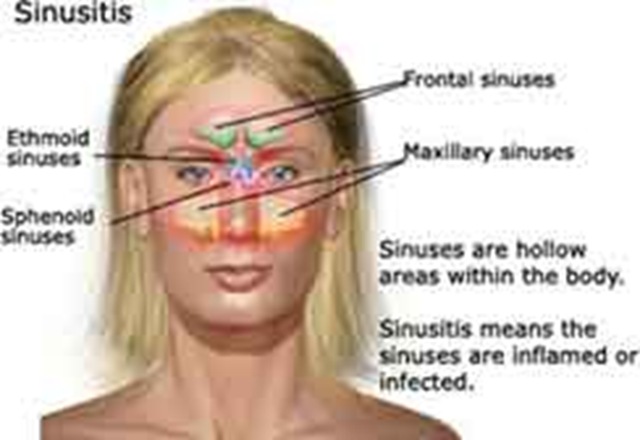
2. Sinusitis: It refers to swelling and inflammation of air-filled spaces within the skull. It can lead to PND with other symptoms, such as headache, nasal discharge, nasal blockage, pain/ tenderness around the eyes, cheeks, nose, forehead, sore throat, and cough.

3. Nasal allergy (allergic rhinitis): It refers to a response to a specific allergen (like dust mites, pollens) causing sneezing, runny nose, itchy watery eyes, and stuffy nose. PND may accompany these symptoms.

4. Non-allergic rhinitis: In this form of rhinitis, symptoms similar to allergic rhinitis appear, but there is no allergic reaction.

5. DNS (deviated nasal septum): A condition in which the wall that divides the nasal cavity into two halves is displaced to one side. As a result, one side of the nasal cavity becomes small, hindering mucus drainage, causing PND.

6. Gastric reflux: The backflow of stomach acid from the stomach into the food pipe, throat and mouth.

An object stuck in the nose in children can be one of the causes.

7. Some medicines: Medicines that help treat high blood pressure, and birth control pills, can trigger PND.

8. Pregnancy.

9. Swallowing disorder: In the case of swallowing disorders, the root cause lies not in excess production of mucus but rather in inadequate clearance of the throat.

10. Weather change, cold weather, dry air, and eating some food items like highly spicy food.

Pathophysiology

Our nose and throat produce small amounts of mucus continuously. This mucus has three functions. First, it keeps the nasal membrane moist. Second, it helps trap and filter any inhaled foreign matter (like viruses and bacteria) and last but not least, it fights infection. This mucus is being swallowed by everyone unconsciously. But when, due to whatever reason, the production of mucus increases, it starts to accumulate in the back of the throat. When excessive or thick mucus drips down the throat from the back of the nose, one at once becomes aware of it. The irritants in the mucus can activate receptors in the respiratory tract, resulting in protective coughing.

Frequently Asked Questions

1. Why do I get post-nasal drip?

It can happen due to allergies, common cold, sinus infection, weather changes, dust exposure, pollution, or gastric reflux.

2. Is PND serious?

Usually, it is not serious, but if it lasts long enough or is associated with fever, severe headache, thick greenish/yellowish mucus, or there is breathing difficulty, medical consultation is a must.

3. Why is my cough worse at night?

When you lie down, mucus drains more easily into the throat, which may trigger coughing.

4. How can I reduce PND naturally?

Drinking warm water, steam inhalation, avoiding dust and allergens, staying hydrated, and avoiding very cold food may help.

5. When should I see a doctor?

If symptoms last more than 10–14 days, recur frequently, or are associated with high fever, facial pain, blood in the mucus, or if there is breathing difficulty.

6. Can PND be treated with homeopathy?

Yes, homeopathy can help by addressing the root cause, such as allergy, sinus tendency, or recurrent cold, based on individual symptoms.

7. Why do I constantly feel like clearing my throat?

Because mucus keeps collecting at the back of the throat, giving a sticky or irritating sensation.

8. Can PND cause bad breath?

Yes, accumulated mucus and throat irritation can lead to unpleasant breath.

9. Is thick mucus normal in PND?

Mucus can be thin and watery (usually allergy-related) or thick and sticky (often due to infection or sinusitis).

10. Why does my throat feel sore in the morning?

Mucus collects overnight while lying down, leading to morning throat irritation.

11. Does weather change worsen PND?

Yes, cold weather, sudden temperature changes, or pollution can aggravate symptoms.

12. Can PND affect my voice?

Yes, constant throat irritation and mucus can cause hoarseness or voice strain.

13. Can spicy food worsen PND?

Yes, in some people, spicy food may increase mucus production or trigger reflux, worsening the symptoms.

14. How long does PND usually last?

It depends on the cause. Viral causes improve in 1–2 weeks, but allergy-related or chronic sinus-related PND may last longer.

15.  Can children get PND?

Yes, children commonly experience PND, especially with allergies or frequent colds.

 

Call Dr. Sharma's Clinic - From United States and Canada call 703-659-0873. Patients From rest of the world and India call +91-6283487321

Treat Your Nasal Polyps with Homeopathic Medicines

Nasal polyps are soft, painless, non-cancerous growths that move freely and arise from the mucous membrane of the nose or paranasal sinuses. They are caused due to allergies and recurrent nasal infections.

Homeopathy has an applaudable natural treatment for nasal polyps with zero side effects. Homeopathic medicines treat nasal polyps to achieve two outcomes. First, they provide symptomatic relief for complaints like nasal blockage, nasal discharge, loss of smell, etc. Second, the use of homeopathic medicines stops the increase in the size of nasal polyps, followed by the gradual shrinking of their size. The latter is accomplished by uprooting the underlying root cause that predisposes a person to nasal polyps. Homeopathic medicines strengthen the immune system which keeps recurrent nasal infections at bay. In some cases, they moderate the overactive immune system to prevent frequent allergy episodes.

Non-habit forming medicines

The use of nasal spray, antihistamines and antibiotics is very commonly recommended for symptom management under the conventional mode of treatment. However, these offer only temporary relief and also carry the risk of possible side effects and can also be habit forming. Homeopathic medicines, on the other hand, offer long term relief in nasal polyps symptoms without any worry of dependency. If homeopathic treatment is followed regularly as guided by a homeopathic physician, it can be discontinued once the desired results have been obtained.

Alternative to surgical procedure 

Homeopathy is a very safe and highly effective alternative option to surgery to treat nasal polyps.  Generally, one would  want to avoid surgery; even if one opts for it, it does not guarantee a permanent cure. In many cases, nasal polyps tend to regrow as the root cause remains untreated. Here, homeopathy is a great alternative which shrinks nasal polyps gently, safely and naturally.  Surgery should only be considered as an option in complicated cases that fail to respond to non-surgical medical treatments.

Top 7 Homeopathic Medicines for Nasal Polyps

Some top-rated medicines for treating nasal polyps are Lemna Minor, Teucrium Marum,  Sanguinaria Nitricum, Calcarea Carb, Allium Cepa, Kali Bichromicum and Phosphorus.

1. Lemna Minor – Best Homeopathic treatment for Nasal Polyps

Lemna Minor is one of the top grade medicines for nasal polyps. Lemna Minor works well where there is obstruction of nose and loss of smell from nasal polyps. A putrid smell in the nose may also be felt in some cases. Thick, yellow-white discharge from the nose is another attending feature. In some cases, mucopurulent nasal discharge is observed. In cases where nasal polyps worsen in wet weather too, Lemna Minor is the medicine to prescribe. It also treats swollen nasal turbinates very well.

In the list of all major homeopathic medicines for nasal polyps, Lemna Minor occupies the top rank. In my clinical practice, I have found Lemna Minor very effective in curing nasal polyps. Lemna Minor is indicated when nasal blockage is very intense from nasal polyps. Loss of smell (anosmia) may also be present. The nasal turbinate may also show marked swelling. A person may complain of thick, profuse, yellow-white nasal discharge. A foul smell from the nose may also accompany it. Polyps that typically worsen in wet weather, indicate the use of Lemna Minor.

When to use Lemna Minor?

Lemna Minor is highly recommended for managing nasal blockage and loss of smell from nasal polyps.

How to use Lemna Minor?

It is used in mother tincture (Q) form generally. Lemna Minor Q can be taken once or twice a day.

2. Teucrium – Homeopathic Medicine for Post-Nasal Polyps

Teucrium is a well-indicated homeopathic medicine for post-nasal polyps. I usually prescribe this medicine when nasal polyps lead to the obstruction of the nose on the side a person lies down on. Other symptoms that indicate its use are – There is much sneezing and blockage of nostrils. A crawling sensation in the nose may also be felt. Sense of smell is lost. Large offensive crusts may pass from the nose. The person may also complain of a bad taste in the throat.  Hawking of mucus from the throat also appears.

When to use Teucrium Marum?

The key feature of using this medicine is the blockage of the nose on the same side on which a person lies down.

How to use Teucrium Marum?

It can be used in different potencies from low to high as per the severity of the complaint. Initially, it is advised to use Teucrium in 30 C potency two times a day for good results.

3. Sanguinaria Nitricum – For Right-sided Nasal Polyps

Sanguinaria Can is the next best homeopathic medicine of great help in treating nasal polyps. It shows great affinity to treat nasal polyps on the right side. A person who needs a prescription for Sanguinaria Nitricum shows watery, nasal discharge or burning nature. Other features are pressure over the root of the nose, plugged sensation in nostrils, enlarged nasal turbinates, sneezing, and yellow, bloody mucus discharge from the nose.

When to use Sanguinaria Nitricum?

Sanguinaria Nitricum is an ideal medicine for cases of right-sided polyps along with watery nasal discharge and blocked nose.

How to use Sanguinaria Nitricum?

This medicine can be used in 30 C power one or two times a day.

4. Calcarea Carb – For Left-sided Nasal Polyps

Calcarea Carb is an extremely suitable medicine for left-sided nasal polyps. This prescription is given to persons who complain of a blocked nose on the left side. Other attending features are fetid smell and yellow discharge from the nose. In the morning, dryness in the nose may be felt. Sneezing, markedly in the morning time, may also attend. Persons given Calcarea Carb tend to catch a cold easily, with the slightest change in weather.

When to use Calcarea Carb?

It is particularly indicated for left-sided nasal polyps with nasal blockage and yellow, smelly nasal discharge.

How to use Calcarea Carb?

Both low and high potencies of this medicine work well, however, it is advised to begin with 30 C potency once a day initially.  To use high potencies like 200C, 1M consultation from a homeopathic doctor is required.

5. Allium Cepa – For Constant Sneezing in Nasal Polyps

In the case of nasal polyps with constant sneezing, Allium Cepa offers the perfect treatment. An attending feature is the watery discharge of burning, acrid nature from the nose. The nasal discharge corrodes the upper lips. Headache may also persist along with fluent coryza. Some feel there’s a lump at the root of the nose. Nose stoppage may also be observed.

When to use Allium Cepa?

This medicine can be selected to manage nasal allergy symptoms like intense sneezing and burning watery nasal discharge present in nasal polyps cases.

How to use Allium Cepa?

It is recommended to take Allium Cepa 30 C twice or thrice a day depending on symptom severity.

6. Kali Bichromicum – For Post-Nasal Discharge

For postnasal discharge in nasal polyps cases,  Kali Bichromicum is selected. The post-nasal discharge is thick, lumpy, and ropy. It is attended with much hawking. Marked pressure at the root of the nose is a common complaint. A fetid smell from the nose is another concern. Violent sneezing in the morning may accompany the above features. Kali Bichromicum is also a prominent medicine for treating nasal polyps from chronic sinusitis.

When to use Kali Bichromicum?

The characteristic feature indicating the use of this medicine is thick, lumpy, ropy nasal discharge in nasal polyps cases. One may also opt for use when nasal polyps are linked with long-term sinusitis.

How to use Kali Bichromicum?

This medicine can be used in 30C potency one or two times in a day.

7. Phosphorus – For Bleeding Nasal Polyps

Phosphorus is a very effective medicine for nasal polyps that bleed easily. Apart from the bleeding, the condition is accompanied by coryza with dull headache and sneezing which worsens with strong odors.  A blocked nose early in the morning is a sure sign that Phosphorus will work. Also, in cases where coryza and dryness of the nose alternate, Phosphorus is the best medicine.

When to use Phosphorus?

This medicine is prescribed usually in cases of nasal polyps that bleed often.

How to use Phosphorus?

It is suggested to take this medicine in 30C power. The dosage should not exceed one dose a day. Do not use its high potencies without a physician’s consultation.

8. Formica Rufa  – For chronic recurrences of Nasal polyps

Formica Rufa is a best remedial measure when the nasal polyps recur. This medicine helps minimise the recurrences of nasal polyps and reduces the size of active nasal polyps. Formica Rufa is also prescribed for acute symptoms like sneezing, runny nose, and nasal blockage.

When to use Formica Rufa?

Formica Rufa is prescribed usually in cases of recurring nasal polyps

How to use Formica Rufa?

It is mostly used in 30C potency. The repetition of dose could differ on a case to case basis.

Frequently Asked Questions

1. Are there any risk factors that predispose one to nasal polyps?

Risk factors like chronic nasal infection or inflammation, sinusitis, and nasal allergies play an important role in making one prone to nasal polyps. It needs mention here that not everyone with the above risk factors will develop nasal polyps even though they would be likely to develop the condition. Various other diseases that are associated with nasal polyps are asthma, cystic fibrosis, chronic rhinosinusitis, allergic fungal sinusitis, and aspirin sensitivity.

2. How do I know I have nasal polyps?

There are several symptoms unique to nasal polyps, the most prominent among these being a stuffy nose. Other signs accompanying the nasal blockage include breathing through the mouth, loss or decrease of the sense of smell, snoring, post nasal drip, sneezing, runny nose, headache, and feeling of pressure in the forehead. Polyps that are small in size show no symptoms at all.

3. What medical investigations do doctors propose for nasal polyps?

Investigations for nasal polyps include nasal endoscopy, CT scan or MRI. In addition to this, skin prick tests to detect allergic factors are also done.

4. Are nasal polyps of different types?

There are two types of nasal polyps. These are antrochoanal polyps and ethmoidal polyps. The antrochoanal polyp arises from the maxillary sinus and is single and unilateral (one-sided). The ethmoidal polyps are usually multiple, bilateral, and arise from the ethmoidal sinus, the middle turbinate lateral wall of the nose, mainly from the middle meatus.

5. Can sinusitis cause nasal polyps?

Yes, sinusitis i.e. inflamed mucous membrane of the paranasal sinus can lead to nasal polyps. Sinusitis is one of the major risk factors behind nasal polyps. However, all cases of sinusitis do not lead to nasal polyps. Why only a few having sinusitis develop nasal polyps is still a matter of study.

6. Is turbinate hypertrophy another name for nasal polyps?

No, nasal polyps and turbinate hypertrophy are not the same thing. Turbinates are the normal structures i.e. curled bones located bilaterally inside the nose. They play an important role in heating and filtering the inhaled air. While nasal polyps are soft, painless growths arising from the mucous lining of the mucous membrane of the nose or paranasal sinus. However, the major risk factors for both turbinate hypertrophy and nasal polyps are recurrent nasal infections and nasal allergies.

7. I snore at night, could it be from nasal polyps?

Snoring is a symptom of nasal polyps. But, snoring in isolation can be attributed to other causes as well. Few other causes of snoring include enlarged adenoids, deviated nasal septum, obesity leading to bulky throat tissue and elongated uvula. A CT scan or MRI will confirm whether the nasal polyps are causing snoring or other factors are in play.

8. Do nasal polyps bleed?

Yes, nasal polyps can bleed, but not in every case.

Call Dr. Sharma's Clinic - From United States and Canada call 703-659-0873. Patients From rest of the world and India call +91-6283487321

Nasal Polyps – Causes, Symptoms and Homeopathy

Nasal polyps are soft, painless, non-cancerous growths that move freely and arise from the mucous membrane of the nose or paranasal sinuses. They are caused due to allergies and recurrent nasal infections.

Homeopathy has an applaudable natural treatment for nasal polyps with zero side effects. Homeopathic medicines treat nasal polyps to achieve two outcomes. First, they provide symptomatic relief for complaints like nasal blockage, nasal discharge, loss of smell, etc. Second, the use of homeopathic medicines stops the increase in the size of nasal polyps, followed by the gradual shrinking of their size. The latter is accomplished by uprooting the underlying root cause that predisposes a person to nasal polyps. Homeopathic medicines strengthen the immune system which keeps recurrent nasal infections at bay. In some cases, they moderate the overactive immune system to prevent frequent allergy episodes.

Use of anti-allergens

Use of nasal spray, antihistamines and antibiotics is very commonly recommended for symptom management under the conventional mode of treatment. However, these offer only temporary relief and also carry the risk of possible side effects and can also be habit forming. Homeopathic medicines, on the other hand, offer long term relief in nasal polyps symptoms without any worry of dependency. If homeopathic treatment is followed regularly as guided by a homeopathic physician, it can be discontinued once the desired results have been obtained.

Alternative to surgical procedure 

Homeopathy is a very safe and highly effective alternative option to surgery to treat nasal polyps.  Generally, one would  want to avoid surgery; even if one opts for it, it does not guarantee a permanent cure. In many cases, nasal polyps tend to regrow as the root cause remains untreated. Here, homeopathy is a great alternative which shrinks nasal polyps gently, safely and naturally.  Surgery should only be considered as an option in complicated cases that fail to respond to non-surgical medical treatments.

Top 7 Homeopathic Medicines for Nasal Polyps

Some top-rated medicines for treating nasal polyps are Lemna Minor, Teucrium Marum,  Sanguinaria Nitricum, Calcarea Carb,  Allium Cepa, Kali Bichromicum and Phosphorus.

1. Lemna Minor – Best Homeopathic treatment for Nasal Polyps

In the list of all major homeopathic medicines for nasal polyps, Lemna Minor occupies the top rank. In my clinical practice, I have found Lemna Minor very effective in curing nasal polyps. Lemna Minor is indicated when nasal blockage is very intense from nasal polyps. Loss of smell (anosmia) may also be present. The nasal turbinate may also show marked swelling. Person may complain of thick, profuse, yellow-white nasal discharge. Foul smell from nose may also accompany. Polyps that typically worsen in wet weather, indicate the use of Lemna Minor.

When to use Lemna Minor?

Lemna Minor is highly recommended for managing nasal blockage and loss of smell from nasal polyps.

How to use Lemna Minor?

It is used in mother tincture (Q) form generally. Lemna Minor Q can be taken once or twice a day.

2. Teucrium – Homeopathic Medicine for Post-Nasal Polyps

Teucrium is a well-indicated homeopathic medicine for post-nasal polyps. I usually prescribe this medicine when nasal polyps lead to the obstruction of nose on the side a person lies down on. Other symptoms that indicate its use are – There is much sneezing and blockage of nostrils. Crawling sensation in nose may also be felt. Sense of smell is lost. Large offensive crusts may pass from nose. Person may also complain of abad taste inthe  throat.  Hawking of mucus from the throat also appears.

When to use Teucrium Marum?

The key feature of using this medicine is the blockage of nose on the same side on which a person lies down.

How to use Teucrium Marum?

It can be used in different potencies from low to high as per severity of the complaint. Initially it is advised to use Teucrium in 30 C potency two times a day for good results.

3. Sanguinaria Can – For Right-sided Nasal Polyps

Sanguinaria Can is the next best homeopathic medicine of great help in treating nasal polyps. It shows great affinity to treat nasal polyps on the right side. A person who needs a prescription for Sanguinaria Nitricum shows watery, nasal discharge ora  burning nature. Other features are pressure over the root of the nose, plugged sensation in nostrils, enlarged nasal turbinates, sneezing and yellow, bloody mucus discharge from the nose.  

When to use Sanguinaria Nitricum?

Sanguinaria Nitricum is an ideal medicine for cases of right-sided polyps along with watery nasal discharge and blocked nose.

How to use Sanguinaria Nitricum?

This medicine can be used in 30 C power one or two times a day.

4. Calcarea Carb – For Left-sided Nasal Polyps

Calcarea Carb is an extremely suitable medicine for left-sided nasal polyps. This prescription is given to persons who complain of a blocked nose on the left side. Other attending features are fetid smell and yellow discharge from the nose. In the morning, dryness in the nose may be felt. Sneezing, markedly in the morning time, may also attend. Persons given Calcarea Carb tend to catch a cold easily, with the slightest change in weather.

When to use Calcarea Carb?

It is particularly indicated for left-sided nasal polyps with nasal blockage and yellow, smelly nasal discharge.

How to use Calcarea Carb?

Both low and high potencies of this medicine work well, however, it is advised to begin with 30 C potency once a day initially.  To use high potencies like 200C, 1M consultation from a homeopathic doctor is required.

5. Allium Cepa – For Constant Sneezing in Nasal Polyps

In the case of nasal polyps with constant sneezing, Allium Cepa offers the perfect treatment. An attending feature is the watery discharge of burning, acrid nature from the nose. The nasal discharge corrodes the upper lips. Headache may also persist along with fluent coryza. Some feel there’s a lump at the root of the nose. Nose stoppage may also be observed.

When to use Allium Cepa?

This medicine can be selected to manage nasal allergy symptoms like intense sneezing and burning watery nasal discharge present in nasal polyps cases.

How to use Allium Cepa?

It is recommended to take Allium Cepa 30 C twice or thrice a day depending on symptom severity.

6. Kali Bichromicum – For Post-Nasal Discharge

For postnasal discharge in nasal polyps cases,  Kali Bichromicum is selected. The post-nasal discharge is thick, lumpy, and ropy . It is attended with much hawking. Marked pressure at the root of the nose is a common complaint. A fetid smell from the nose is another concern. Violent sneezing in the morning may accompany the above features. Kali Bichromicum is also a prominent medicine for treating nasal polyps from chronic sinusitis.

When to use Kali Bichromicum?

The characteristic feature indicating the use of this medicine is thick, lumpy, ropy nasal discharge in nasal polyps cases. One may also opt for use when nasal polyps are linked with long-term sinusitis.

How to use Kali Bichromicum?

This medicine can be used in 30C potency one or two times in a day.

7. Phosphorus – For Bleeding Nasal Polyps

Phosphorus is a very effective medicine for nasal polyps that bleed easily. Apart from the bleeding, the condition is accompanied by coryza with dull headache and sneezing which worsens with strong odors.  A blocked nose early in the morning is a sure sign that Phosphorus will work. Also, in cases where coryza and dryness of the nose alternate, Phosphorus is the best medicine.

When to use Phosphorus?

This medicine is prescribed usually in cases of nasal polyps that bleed often.

How to use Phosphorus?

It is suggested to take this medicine in 30C power. The dosage should not exceed one dose a day. Do not use its high potencies without a physician’s consultation.

Managing Nasal Polyps

As much as finding the allergens that cause nasal polyps, avoiding these allergens that one is susceptible to is important. Staying away from irritants like dust, strong odors, cigarette smoking, and pollution will also help.

Frequently Asked Questions

1. Are there any risk factors that predispose one to nasal polyps?

Risk factors like chronic nasal infection or inflammation, sinusitis, and nasal allergies play an important role in making one prone to nasal polyps. It needs mention here that not everyone with the above risk factors will develop nasal polyps even though they would be likely to develop the condition. Various other diseases that are associated with nasal polyps are asthma, cystic fibrosis, chronic rhinosinusitis, allergic fungal sinusitis, and aspirin sensitivity.

2. How do I know I have nasal polyps?

There are several symptoms unique to nasal polyps, the most prominent among these being a stuffy nose. Other signs accompanying the nasal blockage include breathing through the mouth, loss or decrease of the sense of smell, snoring, post nasal drip, sneezing, runny nose, headache, feeling of pressure in the forehead. Polyps that are small in size show no symptoms at all.

3. What medical investigations do doctors propose for nasal polyps?

Investigations for nasal polyps include nasal endoscopy, CT scan or MRI. In addition to this, skin prick tests to detect allergic factors are also done.

4. Are nasal polyps of different types?

There are two types of nasal polyps. These are antrochoanal polyps and ethmoidal polyps. The antrochoanal polyp arises from maxillary sinus and is single and unilateral (one-sided). The ethmoidal polyps are usually multiple, bilateral and arise from ethmoidal sinus, the middle turbinate lateral wall of the nose, mainly from the middle meatus.

5. Can sinusitis cause nasal polyps?

Yes, sinusitis i.e. inflamed mucous membrane of paranasal sinus can lead to nasal polyps. Sinusitis is one of the major risk factors behind nasal polyps. However, all cases of sinusitis do not lead to nasal polyps. Why only a few having sinusitis develop nasal polyps is still a matter of study.

6. Is turbinate hypertrophy another name for nasal polyps?

No, nasal polyps and turbinate hypertrophy are not the same thing. Turbinates are the normal structures i.e. curled bones located bilaterally inside the nose. They play an important role in heating and filtering the inhaled air. While nasal polyps are soft, painless growths arising from the mucous lining of the mucous membrane of the nose or paranasal sinus. However, the major risk factors for both turbinate hypertrophy and nasal polyps are recurrent nasal infections and nasal allergies.

7. I snore at night, could it be from nasal polyps?

Snoring is a symptom of nasal polyps. But, snoring in isolation can be attributed to other causes as well. Few other causes of snoring include enlarged adenoids, deviated nasal septum, obesity leading to bulky throat tissue and elongated uvula. A CT scan or MRI will confirm whether the nasal polyps are causing snoring or other factors are in play.

8. Do nasal polyps bleed?

Yes, nasal polyps can bleed, but not in every case.


Call Dr. Sharma's Clinic - From United States and Canada call 703-659-0873. Patients From rest of the world and India call +91-6283487321

Nasal Allergies and Homeopathy

Nasal Allergies in Summer

Dr. Vikas Sharma

Have you been sneezing very often this summer? Do you have itching in the nose , roof of mouth and eyes? Are you getting a watery discharge from your nose? If yes then there are good chances that you have Allergic rhinitis. Allergic rhinitis refers to an allergic condition that occurs in the upper respiratory tract and also in the conjunctiva of the eyes. This is usually a harmless condition but can throw one’s life out of gear. Most of the people who suffer from its seasonal form, have recurrent episode in late spring, summers and fall. Homeopathy provides a great hope for all those who suffer from it in treating this kind of allergy from its base and thereby stopping its annual recurrence.

People who suffer from allergic rhinitis usually have these following symptoms-  1) Sneezing , which may occur any time and can occur in bouts ; where one may  even have 20-30 sneezes in a row . Morning sneezes are very common in those suffer from allergic rhinitis. Such sneezing episodes may occur as early as one wakes up .2) Runny nose – sneezing is accompanied by profuse watery discharge from the nose. Along with other symptoms one may also have same king of watery discharge from eyes. 3) Itching in the eyes, nose and the roof of the mouth – itching in the nose roof of moth and eyes are very common symptoms in allergic rhinitis. Most patients complain of a “crawling” sensation in the nose and the roof of the mouth. 4) Some patients may even suffer from breathing difficulty if the attack gets serious. This kind of breathing difficulty is usually noted in spring weather during wheat harvest season. 6) Fever may also be present in some individuals during a severe attack of allergic rhinitis.

Allergic rhinitis usually occurs in two forms. The kind of allergic rhinitis that one would have it in only a particular weather is called as Seasonal Allergic Rhinitis. Late spring, summers and early autumn is the main weather when it occurs.  Such kind of allergic rhinitis occurs due to sensitivity to pollens from trees, grasses or weeds, or to airborne mold spores. The second type is the ‘Perennial Allergy’ and occurs all the year around. In such kind of allergic rhinitis ,the sensitivity is mainly to substances that one encounters daily . Examples of Such substances are – cockroaches, dust mites, pollution and animal dander.

Homeopathic medicines are one of the best forms of natural treatment for allergic rhinitis. They works both ways – By controlling the acute symptoms and also treating the chronicity of allergy; thereby gradually stopping the recurrence of attacks. Homeopathic medicines work by desensitizing the overactive immune system in allergic rhinitis patients. Homeopathic medicines Natrum Mur, Sabadilla , Allium Cepa  lead the homeopathic table in treating allergic rhinitis and can treat both the acute as well Chronic nature of the disease. Allium  cepa and Aralea Racemosa  are  very effective in treating allergic rhinitis that occurs in spring . Lately, some medicines have been introduced in Homeopathy which have  been found to very effective in treating allergic rhinitis – they are Galphimia Glauca , Histaminum  and Luffa Operculata.

Call Dr. Sharma's Clinic - From United States and Canada call 703-659-0873. Patients From rest of the world and India call +91-6283487321

NOSE ALLERGY & HOMEOPATHY

If you are sneezing quite a lot, having a runny nose, itchy eyes and/or having difficulty in breathing in this weather, most probably you are suffering from spring allergy. Spring allergy refers to a condition that occurs in March-May and affects mainly the respiratory system. High levels of pollen count are responsible for naso-bronchial allergies. Also this weather is worse for people living near farms, where it is time for wheat harvesting. Wheat threshing dust is the main culprit. People in cities also get affected by it as the threshing dust gets carried by winds to the adjoining areas.

Allergy occurs when “allergy triggers” or “allergens” (pollens, molds, dust, etc) come in contact with the mucous membranes (lining) in the nose, airways, lungs, skin and even eyes of those people who have allergies. These allergy triggers cause the immune system to overreact and produce antibodies which then attack the trigger (pollen, etc). Antibodies then try to destroy the trigger by attaching themselves to it, leading to the production of histamine, a chemical that irritates the mucous membranes resulting in swelling, itching and overproduction of mucus. Allergy symptoms include excessive sneezing, runny nose, itching in the eyes, nose, roof of the mouth and even in the ears. Breathing difficulties, coughing and wheezing are very common as spring allergy causes asthma too.

Homeopathy is very effective in fighting allergies. As homeopathic medicines work by optimising the overactive immune system, they are very effective in removing allergy in totality from the body. These medicines provide a stimulus (in a highly diluted form) to the body like that of the trigger or allergen leading to the gradual desensitisation of the immune system.

Homeopathic medicines used for treating allergies mainly come from the plants or substances that in their raw form are usually responsible for causing allergy-like symptoms.

When allergy occurs in the airways and lungs it leads to asthma. Difficult breathing, wheezing and cough are the main symptoms. This is due to the constriction in the small airways and overproduction of mucus in the lungs. Here too homeopathic medicines are very effective. Aralea racemosa, Arsenic Album, Natrum Sulph are few of the medicines that are very helpful in treating spring asthma.

It is also important to realise that in allergic conditions homeopathic medicines work by desensitising your overactive immune system. This optimisation of the immune system is not an overnight process and can take some time before appreciable results are achieved.

profile pic

Call Dr. Sharma's Clinic - From United States and Canada call 703-659-0873. Patients From rest of the world and India call +91-6283487321

NOSE ALLERGY & HOMEOPATHY

If you are sneezing quite a lot, having a runny nose, itchy eyes and/or having difficulty in breathing in this weather, most probably you are suffering from spring allergy. Spring allergy refers to a condition that occurs in March-May and affects mainly the respiratory system. High levels of pollen count are responsible for naso-bronchial allergies. Also this weather is worse for people living near farms, where it is time for wheat harvesting. Wheat threshing dust is the main culprit. People in cities also get affected by it as the threshing dust gets carried by winds to the adjoining areas.

Allergy occurs when “allergy triggers” or “allergens” (pollens, molds, dust, etc) come in contact with the mucous membranes (lining) in the nose, airways, lungs, skin and even eyes of those people who have allergies. These allergy triggers cause the immune system to overreact and produce antibodies which then attack the trigger (pollen, etc). Antibodies then try to destroy the trigger by attaching themselves to it, leading to the production of histamine, a chemical that irritates the mucous membranes resulting in swelling, itching and overproduction of mucus. Allergy symptoms include excessive sneezing, runny nose, itching in the eyes, nose, roof of the mouth and even in the ears. Breathing difficulties, coughing and wheezing are very common as spring allergy causes asthma too.

Homeopathy is very effective in fighting allergies. As homeopathic medicines work by optimising the overactive immune system, they are very effective in removing allergy in totality from the body. These medicines provide a stimulus (in a highly diluted form) to the body like that of the trigger or allergen leading to the gradual desensitisation of the immune system.

Homeopathic medicines used for treating allergies mainly come from the plants or substances that in their raw form are usually responsible for causing allergy-like symptoms.

When allergy occurs in the airways and lungs it leads to asthma. Difficult breathing, wheezing and cough are the main symptoms. This is due to the constriction in the small airways and overproduction of mucus in the lungs. Here too homeopathic medicines are very effective. Aralea racemosa, Arsenic Album, Natrum Sulph are few of the medicines that are very helpful in treating spring asthma.

It is also important to realise that in allergic conditions homeopathic medicines work by desensitising your overactive immune system. This optimisation of the immune system is not an overnight process and can take some time before appreciable results are achieved.

profile pic

Call Dr. Sharma's Clinic - From United States and Canada call 703-659-0873. Patients From rest of the world and India call +91-6283487321

ALLERGIC RHINITIS & HOMEOPATHY TREATMENT

DO you suffer from bouts of frequent sneezes, itchy and runny nose? Do you often wake up sneezing in the morning? Does sneezing and runny nose occur during a particular weather or when there is change of weather? Or, do you wheeze or do your eyes feel itchy with sneezing and runny nose? If you have some or all of these symptoms then you may be suffering from nasal allergy.Nasal allergy, also called allergic rhinitis or hay fever or pollinosis, is an allergic reaction of the body (mainly the upper respiratory tract and eyes) to certain substances – allergens – that we breathe in. The main allergens are pollens, molds, animal dander and dust.Allergy is nothing but an over-sensitisation of our defence system. This means that our immune system (defence system) starts reacting to a substance which is otherwise harmless to our body. In other words, it is a misdirected immune attack.Pollens are usually the main culprits.Homeopathic treatment is based on the principle of “like cures like”. This means if a substance that in its raw state produces a disease condition also has the ability to treat similar symptoms when given in diluted and activated (potentised) form.Thus, a lot many plants whose pollens are the known culprits for this kind of allergy are being used in homeopathy to treat allergic rhinitis. By giving a substance that has similar manifestations, homeopathy is able to optimise the already over-sensitised immune system.Two medicines which represent new advance in homeopathy are Galphimia Glauca and Histaminum Hydrochlo-ride.A US study found Galphimia Glauca to be highly effective in treating allergic rhinitis. Many other very effective plant-based medicines have also been introduced during the last few years: Cardiospermum Halicacabum and Amni Visnaga, for example. Conventional homeopathic medicines like Allium Cepa , Sabadilla , Arundo Mur, Ambrosia and Aralea are also very effective. It is important to remember that homoeopathy is a system where the treatment is based on the patient’s individual symptoms. Thus, each medicine has its own important place in treating allergic rhinitis. It may take a season or two to completely cure allergic rhinitis.With growing industrialisation, our bodies are changing according to the environment .A BMJ (formerly British Medical Journal) report has it that one in six people in the industrialised world suffers from seasonal pollen allergies. Pollution does not cause allergy directly, but is supposed to increase the sensitivity to pollens. In Japan, it was found that the sensitivity to pollens was high in people living in areas with high levels of diesel exhaust particles in the environment. Genetic factors are also supposed to play a role in developing nasal allergy.profile pic

Call Dr. Sharma's Clinic - From United States and Canada call 703-659-0873. Patients From rest of the world and India call +91-6283487321

SNEEZING…IT COULD BE ALLERGY – HOMEOPATHY

Its spring time and the weather is great outside, but for many it is not a very pleasant time of the year. It’s time for their allergies to come up. Nasal and respiratory allergies are very intense in this weather (from March to early May). Sneezing, runny nose, watery and itchy eyes and even breathing problems can be a part of this allergic reaction.

Wheat harvesting in April becomes a major source for triggering this kind of allergy. Wheat harvest allergy not only affects those who stay in villages and near farms but also those who stay in cities, as wheat thrashing dust is carried by wind to nearby cities and towns too. Homeopathy has a wonderful treatment for spring allergy. Not only does it treat the current symptoms but also gradually eradicates the tendency to have such recurrent attacks every year.

Hay fever or seasonal allergic rhinitis, as it is called, is most commonly caused by tree and grass pollens and also wheat thrashing dust. It is characterised by symptoms of sneezing, itchy and watery eyes, runny nose and a burning or itchy sensation in the throat or palate. Coughing and sore throat may also be present in some individuals. Some patients develop asthmatic symptoms like breathing difficulties along with other symptoms of allergic rhinitis.

Homeopathy aims at treating the patient by optimising the overactive immune system. It works by giving a similar stimulus to the body like that of the allergen (pollen dust, etc) in very minute but activated form. This process gradually desensitises the overactive immune system against the allergens.

Quite a few of the homeopathic medicines used in treating allergies are made from plants whose pollens are known to cause symptoms of allergy. The most common example is the ragweed, which is also used as an important homeopathic medicine in treating allergy.

The most common homeopathic medicines used in treating hay fever are Sabadilla, Allium Cepa, Natrum Mur, Ambrosia and Arsenic Album. Allium Cepa requires a special mention in treating spring allergic rhinitis. Histaminum, Luffa Operculata and Galphimia Glauca are a few of the medicines that have been lately introduced in homeopathy and have shown very promising results in treating allergy.

profile pic

Call Dr. Sharma's Clinic - From United States and Canada call 703-659-0873. Patients From rest of the world and India call +91-6283487321

Curing Nasal Allergies with Homeopathy

Allergies with Homeopathy   …. Dr . Vikas Sharma

WITH spring approaching, respiratory allergies are at their peak. hay fever, or allergic rhinitis as it is called, is characterized by bouts of sneezing, watery eyes, excessive thin discharge from the nose and, at times, difficult breathing. Homoeopathic medicines, Allium Cepa, Euphrasia, Sabadilla, and Arsenic Album, are a bunch of the effective ones that are rolled under the sleeves of an expert homeopath.

Symptoms asking for Allium Cepa are characterised by violent sneezing, burning watery discharge from the nose and watery eyes. At times, the problem may start in the left nostril and gradually shift to the right one. The patient feels more comfortable in the open. The symptoms are aggravated in the months of March and April and August.

Euphrasia is asked for when, along with the classical symptoms of hay fever, there is excessive burning and watery discharge from the eyes. The patient finds relief more when he or she is indoors. Many hay-fever patients are oversensitive to strong smell, to the odour of the hay field, to dying vegetable matter; so oversensitive are some patients to the odour of fruit that apples may have to be removed from the house. Such patients require Sabadilla. Another characteristic symptom that indicates its use is its sensitiveness to cold air, a cold room and cold food.

Symptoms indicating the use of Arsenic Album are: profuse watery discharge that burns a red streak over the upper lip and about the wings of the nose, with sneezing. The typical Arsenic patient is anxious, restless and often asthmatic; his worst hour is soon after midnight. If indicated, the 30 c potency of the above-mentioned medicine could be used four times a day during the acute phase. A constitutional treatment aiming at the thorough analyses of the chronicity of the disease is often required to stop the recurrence of attacks. Only a qualified homoeopath should handle such analysis and prescription.

Call Dr. Sharma's Clinic - From United States and Canada call 703-659-0873. Patients From rest of the world and India call +91-6283487321

SINUSITIS AND HOMEOPATHY

Sinusitis and Homeopathy

sinus

Come winter and sinusitis is on the rise again. It?s a very miserable situation for those who are sensitive to cold weather and are prone to sinusitis.

The constant sensation of blockage and stuffiness in the nose, face and, forehead, dripping of mucus into the throat, headaches, sore throat and fever can put one?s life totally off the track.

[Read more…]

Pin It on Pinterest