Search Results for: Blood Pressure

Call Dr. Sharma's Clinic - From United States and Canada call 703-659-0873. Patients From rest of the world and India call +91-6283487321

Natural Homeopathic Remedies For High Blood Pressure

Homeopathic Remedies for High blood Pressure

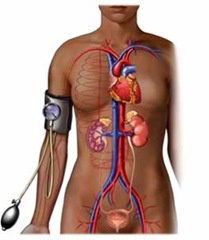
The pressure exerted by blood on the walls of the arteries while it flows through them is known as blood pressure. When this pressure is consistently too high, it is referred to as high blood pressure medically known as hypertension. The normal blood pressure ranges between 90/60 mmHg and 120/80mmHg.

Categories To Define High Blood Pressure

1.  A reading of systolic between 120-129 mmHg and diastolic less than 80mmHg is elevated blood pressure. Here usually no medication is recommended and only lifestyle changes are advised.

2. Stage 1 Hypertension: A reading of systolic between 130-139 mmHg or diastolic between 80-89 mmHg.

3. Stage 2 hypertension: Systolic reading 140 mmHg or higher and diastolic reading 90mmHg or higher.

4. Hypertensive Crisis: Systolic reading higher than 180 mmHg and/or diastolic higher than 120 mmHg. It requires urgent medical attention.

Homeopathic Medicines For High Blood Pressure

The top homeopathic medicines to manage high blood pressure (HBP) are Aconitum Napellus, Glonoinum, Crataegus Oxyacantha, Nux vomica, Kali Phos and Natrum Mur.

1. Aconitum Napellus

Aconitum Napellus is a natural medicine sourced from plant monkshood. It can be used for managing high blood pressure along with anxiety and restlessness. The person markedly feels a sudden fear of death. Other accompanying symptoms include palpitations, pressure on the left side of the chest, and sensation of weight under the breastbone. Pain in the heart extending to the left shoulder is also felt.

Key indicating features

High blood pressure along with anxiety and restlessness

2. Glonoinum

Glonoinum is a well-indicated medicine for high blood pressure accompanied by headache which is throbbing and bursting type. Strong palpitations, difficulty in breathing and heat on the face are felt. The person senses pressure in the heart as if heart is contracted. The pain in the heart may radiate to other body parts. Exertion leads to rush of blood to the heart.

Key indicating features

High blood pressure with a throbbing headache

3. Crataegus Oxyacantha

Popularly known as heart tonic, it is a natural medicine sourced from the plant ‘hawthorn berries’. The foremost action of this medicine is to dissolve the calcareous deposits in the arteries, which helps to lower blood pressure. The main symptom that guides its use is difficulty in breathing from the least exertion. Some other symptoms indicative of this medicine include pain in the heart, pressure on the chest, and anxiety-accelerated pulse which is irregular.

Key indicating features

Indicated to dissolve calcareous deposits in arteries to bring blood pressure down

4. Nux Vomica

Nux Vomica is a medicine suitable for HBP, especially in young people who adopt sedentary (sitting for long time periods consistently with little or no physical activity) and modern lifestyle habits like smoking, alcohol consumption, lack of exercise, etc. These factors predispose a person to high blood pressure.

Key indicating features

High blood pressure in young people who lead sedentary life and have habit of alcohol or smoking

5. Kali Phos

Kali Phos is a leading homeopathic medicine to manage stress and several stress-related complaints, including high blood pressure. It is recommended for a person who constantly remains under constant stress and worry. The patient may face symptoms including palpitations from slight motion, shortness of breath, irregular pulse, along with both mental and physical fatigue.

Key indicating feature

To manage high blood pressure linked with stress and worries

6. Natrum Mur

Natrum Mur is one of the most prescribed remedies for cases of high blood pressure in those with salt tooth (cravingy for salty foods). Though there is a restriction for excess salt intake for persons suffering from HBP, it is seen that there is an unusual craving for salty things like pickles, papads etc.  Due to this, there may be swelling of feet in the morning. Natrum Mur may be given in cases where there is an unusual fatigue especially in the morning. A person may feel tight around the chest and bears intense palpitations on the slightest exertion. Natrum Mur may also relieve headache caused due to high blood pressure.

Key indicating features

High blood pressure linked with excess intake of highly salty things

How to use these medicines?

The homeopathic medicine to manage high blood pressure needs to be recommended after detailed case history of the patient. The potency and repetition of medicine also varies from case to case based on different factors like age, duration and severity of complaint, and prominent symptoms. Hypertension can further lead to several serious complications,  so it is advised to always consult a doctor for case evaluation and prescription of any kind. The same rule must be followed to take any homeopathic medicines. Always seek advice from a homeopathic expert before taking any homeopathic medicine.

What Are The Causes Of High BP?

High blood pressure may or may not have a cause.

1. High blood pressure that arises without any reason is called primary/essential hypertension. Primary hypertension usually develops gradually over a period of time.
2. When there is an underlying cause of high blood pressure, it is referred to as secondary hypertension. Secondary hypertension can be a result of problems in kidneys and thyroid; tumors in the adrenal glands and congenital defects in the blood vessels. Secondary hypertension tends to appear suddenly.

What Are The Symptoms?

High blood pressure usually doesn’t cause any symptoms and is often detected during routine medical check-ups. High blood pressure is called ‘silent killer’ because it leads to a significant amount of damage to blood vessels and heart, without any apparent symptoms.
However certain symptoms that appear as a result of high blood pressure include headache, dizziness, shortness of breath, chest pain, nose bleedings, or blood spots in eyes. However, these symptoms are not specific to high blood pressure and may appear as a result of other health conditions also.

Risk factors for High Blood Pressure

The factors that put a person at risk of high blood pressure include a family history, increasing age, being overweight, excessive alcohol intake, tobacco use, stress, too much salt (sodium) intake, diabetes mellitus, sedentary lifestyle, and certain medications (cause drug-induced hypertension) that include certain anti-depressants, anti-inflammatory drugs, cold remedies, birth control pills, etc.

Homeopathic management of High Blood Pressure

The homeopathic system carries a good scope in managing high blood pressure. Homeopathic remedies for high blood pressure work to naturally moderate the body’s functioning. Homeopathic medicines work particularly well for those who have recently been diagnosed with hypertension and have not yet become dependent on any other medication for HBP. People with chronic high blood pressure and those who are using allopathic medicines for a long time can also use homeopathic medicines. Initially, it is advisable to continue allopathic medication along with homeopathic medicines, and slowly shift into homeopathy for holistic treatment. For best results, proper lifestyle measures should be adopted along with homeopathic treatment for high blood pressure.

Frequently Asked Questions

Can stress lead to high blood pressure?

Yes, stressful situations can make blood pressure shoot up temporarily due to the release of stress hormones. However, the link between long-term high blood pressure because of chronic stress is poorly understood and is being researched.

What is the relationship between high blood pressure and stroke?

Stroke refers to a condition with reduced blood flow to the brain resulting in cell death. High blood pressure tends to damage the arteries, making them prone to rupture or clogging. Any damage can lead to a stroke which can be of two types –
1.  ischemic stroke arising due to clogging of arteries in the brain
2. hemorrhagic stroke due to rupture of arteries in the brain.

What is the link between high blood pressure and heart attack?

Coronary arteries supply blood to the heart. If the coronary arteries become narrow due to cholesterol deposits, the blood has to flow through arteries with greater pressure because of the resistance offered by cholesterol deposits. When the coronary arteries get obstructed to the extent where they can no longer supply blood to heart muscles, it can lead to a heart attack (also known as myocardial infarction).

What are systolic and diastolic readings of blood pressure?

Systolic readings refer to the pressure in the arteries when the heart muscles contract. Diastolic reading corresponds to the phase when the heart relaxes/rest in between the beats.

Among the systolic and diastolic blood pressure reading, which is more important?

Both systolic and diastolic blood pressure readings are important. But the significance of systolic/upper reading in blood pressure is greater after the age of 60 years since it can help identify the risk for a stroke or heart attack. In younger people, the diastolic reading carries more significance than the systolic reading.

My upper reading of blood pressure is high, and the lower reading is normal; should I be concerned?

An increase of only the upper reading of blood pressure is known as isolated systolic hypertension. The major reason behind it is the stiffening of the aorta. Other underlying conditions that are linked with it include an overactive thyroid and diabetes. It is more common as a person gets older (especially over 60 years of age), but it may also appear at a younger age. Few serious problems that are linked with a long-term isolated systolic hypertension include heart disease, heart attack, chronic kidney problems and stroke. So, you should take medicines and follow dietary instructions to manage them and lower the risk of complications.

I have a high diastolic reading of BP while the systolic is normal, should I be worried?

High diastolic reading in the absence of any risk factors like diabetes, smoking, obesity, kidney problems, etc. is usually not serious. So, monitoring the BP, dietary changes (low sodium diet, fat) and lifestyle changes like regular exercise are needed to manage it. Management is necessary because elevated diastolic puts a person at risk of high systolic with advancing age. If the risk factors are present, then medicine is additionally needed and should be started as recommended by a cardiologist.

Which tests are recommended in case of high blood pressure?

The initial investigations recommended in cases of high blood pressure include lipid profile, sodium, potassium levels, and ECG. In some instances, an echocardiogram is suggested to rule out heart disease.

Is high blood pressure a serious condition?

High blood pressure that is not managed correctly carries the risk of turning into serious conditions like stroke, heart attack, heart failure, retinopathy (damage to retina of eye) and kidney problems.

Will quitting smoking help me manage my high blood pressure?

Yes, if you stop smoking, it will help in managing high blood pressure. Smoking causes hardening of the walls of the arteries and narrows the lumen of the artery that leads to high blood pressure. If you give up smoking, it can help reduce these changes in the arteries and thus brings the blood pressure down.

Does homeopathy help in immediately lowering down very high blood pressure?

Homeopathy works well to manage high blood pressure in the long run. However, it has a very minimal role in bringing an immediate reduction in blood pressure. In such cases, conventional emergency treatment is recommended.

I have been taking allopathic medicine for high blood pressure for the last ten years. Can I transit to homeopathic medication and stop taking allopathic medicine?

It is not advisable to quit allopathic medicine all of sudden when you start taking homeopathic medicines for blood pressure. This is because the body gets dependent on allopathic medicines to function correctly. If you start taking homeopathic medicine for high blood pressure, initially you will have to continue taking the allopathic medicines alongside. Once the homeopathic medicines start working, then one can gradually shift to homeopathy by reducing the dose of allopathic medications.

Lifestyle changes to manage high blood pressure?

Certain lifestyle changes can help manage high blood pressure effectively. These include:

1. Cut down your sodium and fat intake

2. Eat fruits and vegetables

3. Do regular exercise and reduce excess body weight in case of overweight people

4. Apart from these, one must quit smoking and limit alcohol intake to prevent long-term complications of high blood pressure.


Call Dr. Sharma's Clinic - From United States and Canada call 703-659-0873. Patients From rest of the world and India call +91-6283487321

Five Best Homeopathic Medicines for Low Blood Pressure

Homeopathic Medicines for low Blood Pressure
If you experience a persistent drowsiness and a feeling of fatigue throughout the day and you need cups of cappuccino to get yourself going, chances are you suffer from a chronic condition of low blood pressure, for which natural medicines offer a suitable treatment. In numerical terms, if the figure drops to 90 mmHg/60 mmHg or less it is counted as low blood pressure. Medically talking, low blood pressure is termed as hypotension. The various causes of low blood pressure include dehydration, blood loss, anaemia, folate deficiency, diabetes mellitus, hypothyroidism, and heart disease (including valve problems, heart failure). Certain medicines like anti-depressants, diuretics and alpha and beta blockers also lead to low blood pressure.  The symptoms of low blood pressure are dizziness, vertigo, nausea, cold skin, fatigue and fainting spells. Homeopathic medicines for low blood pressure offer ideal treatment as they are devoid of any side-effects and are the most natural method for treating this problem and how.

Homeopathic Medicines for Low Blood Pressure

Homeopathy is helpful in both cases of a sudden, acute drop in blood pressure as well as in persons with persistently low blood pressure. The first aim of these medicines in treating low blood pressure is to provide symptomatic relief to persons in acute cases.  And the next aim is to strengthen the heart muscles and boost the blood circulation to maintain normal blood pressure. While making a prescription for low blood pressure, the cause behind the condition is always taken into consideration. Another advantage of medicines for treating low blood pressure is that they can be used among all age groups with significant success.

The most effective medicines for low blood pressure are Gelsemium, China, Naja and Viscum Album. Gelsemium is opted when vertigo, dizziness and lightheadedness is marked on account of low blood pressure. China is highly beneficial for low blood pressure from dehydration after diarrhea and from blood loss. And last two medicines Naja and Viscum Album are an excellent choice when valvular heart lesions lead to low blood pressure.

1. For Low Blood Pressure with marked dizziness and Vertigo

The top-grade medicines for low blood pressure with marked dizziness and vertigo are Gelsemium and Viscum Album. Gelsemium is an excellent choice when dizziness, vertigo and dullness are marked. Drowsiness and a feeling of tiredness accompany the condition. Heaviness of head and eyelids is also present. Pulse is also slow. Gelsemium is also effective when blood pressure drops suddenly from emotional excitement. The emotional excitement may be triggered by any bad news, fright, sudden grief and other causes. Next medicine Viscum Album is an appropriate choice when persistent vertigo from low blood pressure is present. Pulse is small and weak. Aching and dull pain in the head also appears. These medicines improve the sluggish circulation and ensure complete recovery.

2. For Low Blood pressure after Sun Exposure

Highly effective medicines for low blood pressure following sun exposure are Glonoine and Natrum Mur. Glonoine is one of the best medicines for low blood pressure after sun exposure. It is indicated when head heaviness, vertigo and fainting spells appear after sun exposure. Vertigo is marked in an upright position. Next medicine Natrum Mur is selected when headache, exhaustion with nausea and vomiting appear after being exposed to the sun for long hours. Blood pressure is lowered with a slow, weak pulse. These medicines can be repeated frequently in an emergency condition to recover from low blood pressure.

3. For Low Blood pressure from Dehydration

Two of the most suitable medicines for low blood pressure after dehydration are Carbo Veg and China. Both these medicines help in improving blood pressure. These medicines for low blood pressure are effective when severe diarrhea with dehydration is the cause. There is marked exhaustion with episodes of fainting. Blood pressure is low. The pulse is slow, weak and often imperceptible. The body is cold to touch with sweating. The person presents a picture of collapse. These medicines help to restore normal blood pressure when started well in time.

4. For Low Blood Pressure from Blood Loss (Hemorrhage):

The predominant medicines for low blood pressure following blood loss are China and Ferrum Met. These are natural medicines that help in complete recovery from low blood pressure resulting from blood loss. The persons needing these medicines have low blood pressure with marked debility and exhaustion. Dizziness and vertigo are also complained of. Pulse is feeble, soft, weak, small and irregular. Marked anaemia is present in such persons. These medicines are like a tonic to improve low blood pressure resulting from haemorrhages.

5. For Low Blood Pressure when Diastolic Pressure is Low

Baryta Mur is one of the best medicines for low blood pressure when specifically diastolic pressure is lowered. Head heaviness and lassitude in the morning time are marked. Baryta Mur is of profound help in elderly people suffering from low blood pressure. Along with head heaviness, weakness in the legs is also complained of. Pulse is also slow and in a few persons is imperceptible when Baryta Mur is indicated.

6. For Low Blood Pressure with Valve Problems in Heart

The significant medicines for low blood pressure from valvular heart complaints include Naja and Viscum Album. Naja and Viscum Album are highly useful medicines for low blood pressure with valve problems in the heart. They are indicated for low blood pressure when the pulse is small, weak, irregular. Weight and oppression in the heart region is also complained of. Palpitations may also accompany.

Management of Low Blood Pressure:

Some quick fixes for avoiding this condition are:

  •  Increase fluid intake.
  • Increase salt intake.
  • Drink coffee in an emergency.

Call Dr. Sharma's Clinic - From United States and Canada call 703-659-0873. Patients From rest of the world and India call +91-6283487321

High blood pressure in young people

getImage_thumb

High Blood Pressure Could Be Killing You While You Are Young

Research shows that high blood pressure starts much early in life and at times goes undetected for decades until it shows itself in symptoms. It usually, is one of the most common cause for heart disease. In an extensive research carried around the world for six years, a scientific panel learned that the problems in the cardiovascular system (heart and the vessels carrying blood) can begin at much lower blood pressure levels than previously believed.

[Read more…]

Call Dr. Sharma's Clinic - From United States and Canada call 703-659-0873. Patients From rest of the world and India call +91-6283487321

Causes of blood clots during menstrual bleeding and its Homeopathic Remedies

Many females pass small clots during menstrual bleeding once in a while and that is absolutely normal. These are composed of tissues of the uterine lining, blood cells, mucus and proteins. But passing large clots frequently during menses could arise from some medical condition that needs to be diagnosed and treated. The first medical reason behind it is uterine fibroids. These are benign (non – cancerous) growths made of muscle and connective tissue in the uterus. Fibroids can cause passage of blood clots in the menstrual blood along with other symptoms including prolonged periods, pelvic pain, menstrual cramps, intermenstrual bleeding, painful intercourse, back pain and pain in the legs.

Another cause could be endometriosis. It refers to the growth of endometrial tissue, normally lining the mucous membrane of uterus, in areas other than uterus like in the fallopian tubes, ovaries, rectum, intestines and the urinary bladder. It can lead to heavy menstrual bleeding with clots, painful periods, pelvic pain, painful urination, painful intercourse, pain in the rectum and bleeding from the urinary bladder or rectum at the same time as that of menstrual bleeding.

Blood clots may also arise in cases of uterine polyps (small soft fleshy growths developing in the lining of the uterus). Blood clots may also pass during heavy bleeding at menopause time. Polycystic ovarian syndrome (PCOS) could also lead to heavy bleeding with clots. Another reason is adenomysosis (a condition in which endometrial tissue of the uterus grows in the muscle wall of the uterus). Its symptoms include heavy menstrual bleeding with clots, long duration of menstrual bleeding, painful periods, painful intercourse, bleeding in between the periods and bloating. Rest of the reasons might include thyroid disorders, bleeding disorders (like platelet function disorders and von Willebrand’s disease which is a bleeding disorder in which blood does not clot properly) and cancer of the uterus or the cervix.

Homeopathic Management

Homeopathic mode of treatment carries a great scope to manage passing of blood clots during menstrual bleeding. By treating the root cause behind the blood clots during menses homeopathic medicines bring excellent results. Along with blood clots, any attending symptoms are also well managed with homeopathic medicines like heavy menstrual bleeding, intermenstrual bleeding(bleeding in between the periods), pain during menses and early periods before time. Homeopathic medicines for treating this condition are made of natural substances, hence are very safe to use without any toxic side effects. Homeopathic prescription to treat passing blood clots during menses varies from case to case based on the cause behind it and characteristic individual symptoms. So any of these medicines should be taken under the supervision of a homeopathic doctor after detail case evaluation and self-medication should be avoided. Some of the causes behind blood clots during periods can be quite serious so it is advised to always get your case evaluated by a doctor to find out the reason behind it and its appropriate timely treatment. In case of serious causes, it is advised to take help from conventional mode of treatment as homeopathy has a limitation in handling such cases.

Homeopathic Medicines For Blood Clots During Menstrual Bleeding

1. Sabina – Top Recommended Medicine

Sabina is the most prominent medicine in homeopathy to manage complaint of passing blood clots during menstrual bleeding. This medicine is used when the menstrual bleeding is partly fluid and party clotted. The bleeding is quite heavy, bright red and the clots are dark in colour. The slightest motion makes the bleeding worse. The blood has a foul smell in most of the cases. The menses may last for longer duration than normal. Bleeding is attended with pain. The characteristic feature of pain is that it extends from the sacrum (a bone at the bottom of the spine formed by the fusion of five sacral vertebrae) to the pubes (lower abdomen area in front of the pelvis). In cases needing this medicine, intermenstrual bleeding can also occur medically called metrorrhagia. Sabina is a top-ranked medicine for managing cases of uterine fibroids.

2. Thlaspi – For Heavy, Prolonged Periods With Clots

Thlaspi is an effective medicine to manage heavy, prolonged periods with blood clots in the bleeding. The bleeding is bright red. The periods tend to last anytime between 8 to 15 days. The periods may also have a tendency to come early before the time. The females needing it haven’t even recovered from previous periods when the next periods start. Periods cause exhaustion. Like Sabina, this medicine is also indicated for treating uterine fibroids.

 3. China – With Distended Abdomen

China is a highly beneficial medicine for managing clots in the menstrual bleeding with distension of the abdomen. The menses come early in cases needing it and also occur with heavy flow with dark clots. The menstrual blood is dark. After menses there occurs great weakness and trembling.

4. Platina – With Pain In Abdomen

Platina is a well-indicated medicine for managing pinching pain in the abdomen during bleeding. Dark-clotted bleeding occurs during menses. The menses occur early and last for short time. The flow is thick with foul smell. Bearing down sensation is felt in the uterus.

5. Crocus Sativus – For Dark Clotted Stringy Bleeding

This medicine is recommended to manage cases of dark clotted stringy bleeding during menses. The menses though come at proper time but last for a long duration. The bleeding is also profuse. Pain during the periods also occurs. The bleeding is attended with headache, backache, vertigo and weakness also. There is also tendency to intermenstrual bleeding with dark stringy bleeding in clots where this medicine is required.

6. Pulsatilla – For Late Periods With Clots

This medicine is recommended when periods occur late with passing of blood clots. Flow is more during daytime when walking. The bleeding is dark and thick. There is pain during menses with a chilly feeling. There is tendency of irregular periods in most of the cases requiring this medicine.

7. Ipecac – When Attended With Nausea And Vomiting

Ipecac is a well-indicated medicine for heavy bleeding with blood clots attended with nausea and vomiting. With every effort to vomit, bleeding increases. Cutting type of pain around the navel is also present in cases needing it. Pressure over the uterus is also felt. Headache and dizziness may attend the above-mentioned  complaints. The periods may occur several times in a month with bleeding in large clots. Weakness occurs after menses.

8. Cyclamen – For Early Black-Clotted Menses

This medicine is useful for managing early black-clotted menstrual bleeding. The bleeding is profuse and occurs frequently. Bleeding is less when moving about. Before menses, the abdomen is swollen and bloated. During menses, pain is felt in the lower back that radiates to the abdomen and pubes.

9. Murex – For Irregular Heavy Menses With Large Clots

Murex is helpful when there is irregular, heavy menses with passage of large clots in the bleeding. Pain is also felt during periods. The uterus feels sore. There is weakness and pain in the back. A downward pressure in the uterine region occurs. This medicine is also indicated when large blood clots pass during bleeding at the time of menopause.


Call Dr. Sharma's Clinic - From United States and Canada call 703-659-0873. Patients From rest of the world and India call +91-6283487321

Improving Blood Circulation with Homeopathy

The circulatory system of our body carries blood, oxygen and nutrients to each and every part of the body. But in case the circulation is poor, the blood doesn’t reach properly to tissues depriving them of oxygen and nutrients required for normal functioning resulting in certain symptoms. Homeopathy for blood circulation offers a supportive help in these cases to improve blood circulation and give symptomatic relief along with conventional treatment. 

Homeopathy for blood circulation

Poor circulation commonly occurs in limbs like legs and arms. 

Causes 

Poor circulation is not a disorder but arises from some of the health issues. 

It can arise from various causes. First among them is atherosclerosis. It arises when plaque  builds up in the artery arteries causing its hardness and narrowing of lumen. It leads to a decrease in blood flow. It can affect arteries of the heart, brain, legs and arms. Atherosclerosis can lead to peripheral artery disease (a circulatory problem in which blood flow to the limbs is decreased due to narrowing of the arteries).

Second reason is a clot in a blood vessel that can restrict blood flow to the organs. The clot may cause partial or complete blockage of blood flow. Blood clots can form in any of the body areas. If a blood clot forms in arms or legs then then it carries a chance to travel to vital organs like heart (causing heart attack), lungs and can also lead to stroke (death of brain cells from decreased or interrupted blood supply to a part of brain depriving it from getting oxygen and nutrients)

Third cause is diabetes mellitus. High blood sugar levels for a long time can lead to damage of blood vessels and plaque can build up in these vessels. 

Next reason is varicose veins (twisted, enlarged and engorged veins). This happens from weakening or damage of the valves of veins. It results in backward blood flow and blood pooling in the vein resulting in stretching and twisting of the veins. Any vein in the body may be affected with it but usually they occur on the back of the legs. 

Another cause is being overweight (it compresses blood supply through the whole body. Persons who are obese are at more risk of poor circulation if they remain in standing or sitting position for a prolonged period. It puts them at risk of varicose veins, high blood pressure). Lastly it can arise from raynaud’s disease In this disease there occurs narrowing of the small arteries in the hands and toes. Its symptoms usually occur when the sufferer is in a cold temperature or under excessive stress. 

Symptoms 

Its main symptoms are numbness, tingling or pin needle sensation in the hands and feet. Next is coldness in the hands and feet. 

Another symptom is pain of throbbing or stinging nature in the limbs. Other than this there may occur cramps in the limbs (hands, feet, arms, legs). Skin colour changes may also occur. Due to low amount of arterial blood to body tissues the skin may look pale or blue, or purple

Next swelling and ulcers can occur in the lower limbs. Fatigue is also seen sometimes. Other than this symptoms depend on which part of the body has sluggish blood circulation. For example poor circulation to the brain can impact its functioning resulting in dizziness, memory loss, concentration issues, headache and fatigue. If circulation to heart is poor it may result in chest pain, breathing difficulty, high blood pressure, irregular heartbeat. When circulation to Kidneys is reduced it may result in edema of hand, feet. Women may have irregular menstrual cycles and fertility issues if the blood supply to the female reproductive system is reduced. Men may face complaints of erectile dysfunction (inability to get or maintain an erection for sexual intercourse) in case of poor blood flow to the genitals. 

Homeopathy for Blood Circulation 

Homeopathic medicines are effective to relieve symptoms like numbness, tingling, coldness in limbs, cramps in  limbs, fatigue, concentration issues and manage varicose veins cases. The medicines for managing these cases are selected as per the symptoms of the patient in every individual case. Poor blood circulation can have serious complications related to vital organs like heart, lungs, brain. So it is advisable to take these medicines only when no serious complication is present. One should always take any homeopathic medicine for this condition under guidance of a homeopathic doctor. In critical cases it is strictly advised to take immediate help from conventional  mode of treatment.

  1. Carbo Veg 

It is one of the best homeopathic medicines having marked action on venous circulation. It is indicated when a person feels weak, exhausted. With this coldness in legs down the knees may be present. Numbness in the feet is yet another attending symptom. It is also a prominent medicine for managing cases where varicose veins or varicose ulcers are present. 

  1. Agaricus 

This medicine works well to manage complaints of icy coldness in the legs. It is attended with numbness where it is required. Next it is useful for paleness and numbness of the fingers with sensitivity to cold. It also helps in cases having cramps in the hands and feet. Agaricus is also one of the leading medicines for cases of Raynaud’s disease. 

  1. Calcarea Carb

Calcarea Carb is well indicated for sluggish blood circulation when there is marked coldness in the limbs. For using it the hands and feet feel cold, clammy.  Other than this it offers help for managing cramps in calves of the legs. Lastly it is indicated when there numbness of the feet mainly at night in bed.

  1. Pulsatilla 

It is a natural medicine prepared from plant Pulsatilla Nigricans commonly known as wind flower. It belongs to family ranunculaceae. It is a top grade medicine to help cases where varicose veins are present in the legs. These may bleed too. There is pain in the legs with restlessness. The pain worsens from letting limbs hang down. Legs also feel heavy and weak. 

  1. Crataegus 

It is prepared from plant Crataegus Oxyacantha commonly known as hawthorn berries. It is a leading homeopathic medicine indicated for dissolving crustaceous and calcareous deposits in the arteries. Its use is recommended in tincture form. 

  1. Gelsemium 

It is again a natural medicine prepared from the bark of root of plant Gelsemium Sempervirens having the common name yellow jasmine. It belongs to the family loganiaceae. Its first indication for use is numbness in the limbs. It is also indicated for managing weakness in these cases. Dizziness can also be managed with this medicine. Concentration difficulties are another characteristic feature for using it.  Its last indication is cramping in the muscles of the forearm. 

  1. Arsenic Album 

It is yet another beneficial medicine indicated for weak blood circulation. It offers help to manage tingling sensation in the fingers. Persons having numbness and weakness in the feet can also be helped with this medicine. They may also have cramps in the calf muscles of the legs. Arsenic Album is one of the top listed medicine for managing fatigue, weakness, exhaustion. Persons needing it feel exhausted from little exertion. A general anxiety and restlessness can attend to the above symptoms when it is required. 

  1. Silicea

Use of this medicine is most indicated for managing icy coldness of the feet. Coldness is worse mainly at night time in cases needing it. It may be accompanied with excessive sweating on the feet. The sweat smells bad. The legs may also feel cold. Persons needing it may also have numbness in the feet especially in the evening. Tingling in the soles of feet is another symptom that they may complain. Sometimes they also have cramps in the calves and soles. Lastly they may have a pricking sensation in both the arms.

  1. Rhus Tox

It is another valuable medicine indicated for cases of sluggish blood circulation. This medicine is prepared from fresh leaves of plant Rhus Toxicodendron. It belongs to family anacardiaceae. It offers best help in cases having tingling sensation in the feet. Next it is effective to manage cramping in the legs and feet. 

  1. Lachesis

This medicine is prominently indicated for managing varicose veins and varicose ulcers. In case of ulcers burning sensation can be there. These may also be sensitive to touch. Secondly it is used in cases of tingling in the toes. Numbness in the finger tips is yet another symptom where this medicine offers help. 

  1. Ferrum Met

This medicine is useful in cases presenting with coldness and numbness in the hands and feet. The coldness may be almost continuous. It is also significant to manage cramps in the legs, feet and toes. Apart from these varicose veins on the feet indicates its use. Another symptom for using it is easy fatigue from walking. 

  1. Sepia

This medicine offers help to manage icy cold feelings in the lower limbs. People who need it usually feel coldness in legs and feet mostly in the evening in bed. They may also have heaviness and bruised feeling in their limbs.  

Call Dr. Sharma's Clinic - From United States and Canada call 703-659-0873. Patients From rest of the world and India call +91-6283487321

Top 10 Homeopathic Medicines for Recurrent Urinary Tract Infections (UTI)

Urinary tract infection or UTI refers to an infection in any part of the urinary tract comprising the kidneys, ureters, urinary bladder and urethra. It causes inflammation in the urinary tract and symptoms such as painful urination, burning in urethra, increased frequency, urgency, and abnormal urine.

Most infections involve the lower urinary tract – the bladder and the urethra, termed cystitis and urethritis, respectively. Women are more prone to UTI than men.

Natural and Gentle Homoeopathic Approach to Urinary Tract Infection

Homeopathy gives good results in treating cases of UTI as homeopathic medicines are safe, natural, gentle and very effective. They bring quick relief in symptoms such as pain, burning while urination, frequent and urgent urination.

Homeopathic medicines stimulate the body’s innate healing mechanism to fight the infectious agent which is causing UTI and throws it out from the body. To boost this mechanism, homeopathy uses very small amounts of highly diluted medicines procured from natural sources. This way it aids excellent natural cure with no side effects.

Homeopathic medicines are highly recommended for mild to moderate cases of UTI. However, in severe cases and cases where kidneys are involved, urgent help from conventional mode of treatment should be taken.

Individualized Selection of Homoeopathic Medicine

Homeopathy is a symptom-based science. Among a wide range of homeopathic medicines available to treat recurrent UTI, the most appropriate one is selected after a thorough assessment of the detailed symptoms of the individual. Then its potency, dose, and repetition is decided as per homeopathic principles. In this way, effective cure happens with correctly selected medicine.

Homoeopathy for Acute, Chronic, and Recurrent UTI

Homeopathic medicines work wonderfully well in urinary tract infections, whether acute or chronic and recurrent types. Homeopathic treatment gradually reduces the frequency

and intensity of recurrent UTI episodes remarkably. It also helps to reduce chances of any complications. With proper homeopathic treatment, the need for frequent antibiotic use can be highly minimized.

homeopathic medicines for UTI

Top 10 Homeopathic Medicines For Urinary Tract Infection (UTI)

The 10 best homeopathic medicines that are highly effective to treat urinary tract infection are Cantharis Vesicatoria, Apis Mellifica, Sarsaparilla Officinalis, Nitric acid, Sepia Officinalis, Terebinthinae Oleum, Staphysagria, Colibacillinum, Berberis Vulgaris and Mercurius Corrosivus.

1. Cantharis Vesicatoria – For UTI with Extreme Pain / Burning Before, During and After Urination

Cantharis Vesicatoria is among the main medicines that treats urinary tract infection. The key symptoms to look out for while prescribing Cantharis Vesicatoria is severe pain or burning sensation before, during or after passing urine. There is a constant urge to urinate. Cantharis Vesicatoria is very effective for UTI cases with scanty urine or urine passed in drops. At times, blood in the urine can also be observed.

When to use Cantharis Vesicatoria?

The key feature to administered this medicine is pain/burning sensation — before, during and after passing urine, along with frequent urge to pass urine.

How to use Cantharis Vesicatoria?

Cantharis is best administered in 30C potency. It can be repeated twice a day.

2. Apis Mellifica – For UTI with Severe Burning, Stinging While Passing Urine

Apis Mellifica is the next best medicine for urinary tract infection. The person who needs this medicine will complain of burning or stinging pain while passing urine, especially last when last few drops of urine cause intense burning. There is also bladder tenesmus (sensation of incomplete bladder emptying even when there is no urine left behind in the bladder). Urine is scanty and shows the presence of casts. In some cases, one may find traces of blood in urine.

When to use Apis Mellifica?

It can be administered when there is stinging and burning sensation while passing urine mainly at the time of passing last few drops of urine.

How to use Apis Mellifica?

It can be administered in 30C potency and can only be repeated two times daily.

It is also used in 200C but in order to do so, one should carefully look for the symptoms and not repeat it frequently.

3. Sarsaparilla Officinalis – For UTI with Intense Burning Towards The End Of Urination

Sarsaparilla Officinalis is the best medicine to treat cases of UTI if intense burning is felt after a patient has finished urination. Other accompanying characteristics for the use of this medicine are – scanty urine, urine with pus and blood, and pain in the urethra extending to the abdomen. The bladder is distended and tender, with tenesmus.

 When to use Sarsaparilla Officinalis?

The key symptom for the use of Sarsaparilla Officinalis is unbearable pain after passing the urine.

How to use Sarsaparilla Officinalis?

It is mainly administered in 30C potency that can be repeated depending on the intensity of the symptoms but not more than thrice a day.

4. Nitric Acid – For UTI with Burning Sensation While Passing Urine With Foul Smell

Nitric Acid is one of the most effective remedies for urinary tract infection and the symptoms mainly include burning sensation while passing the urine. Urine smells foul like horse’s urine. The passing of urine is scanty, cloudy, dark or bloody. Other accompanying factors are frequent and profuse urination related to old prostate gland changes.

When to use Nitric Acid?

This remedy is best administered to patients who have foul smelling urine passed with burning and stinging pain.

How to use Nitric Acid?

It works well in low potency i.e. 30C, and is normally administered one to two times daily.

Higher potencies are not to be administered until a homeopath’s advice is sought.

5. Sepia Officinalis – For UTI In Women

Sepia Officinalis is believed to be among the most wonderful medicines for treating urinary tract infection among women. Sepia is prescribed if cutting pain is felt in the bladder and there is a feeling of the pubic area getting pushed down. The urinary stream becomes weak and the urine smells foul. Sepia is also very useful in cases of chronic cystitis (bladder inflammation). It is also recognized as the best medicine for UTI cases among women going through menopause.

When to use Sepia Officinalis?

Sepia Officinalis is administered for Urinary Tract Infection among women to manage symptoms of painful urination with a feeling of pubic area getting pushed down. It works very well if one has chronic bladder inflammation.

How to use Sepia Officinalis?

It gives remarkable results in 30C potency and can be administered once daily.

6. Terebinthinae Oleum – For UTI With Profuse Hematuria And Burning Pain

It is administered a wonderful remedy for urinary tract infections and is prepared from a volatile oil. It produces severe burning and drawing pains in the bladder, kidneys, and urethra. The urine has a characteristic violet-like odour and there are traces of blood (Hematuria), often containing coffee-ground–like sediment. The urine is rich in albumin and blood, while only a few casts are present. Other accompanying factors are spasmodic retention of urine in the bladder.

When to use Terebinthinae Oleum?

The main symptom for the administration of Terebinthinae Oleum is profuse Hematuria with burning, drawing sensation.

How to use Terebinthinae Oleum?

Initiate this medicine from lower potency i.e 30C , once in a day.

Higher potencies, such as 200C, 1M can be administered only under the advice of a homoeopathic physician.

7. Staphysagria – UTI With Burning Before And During Micturition

It is well administered and works wonders in cases of urinary tract infection. There is pain in the urethra after passing urine, as well as feeling of burning sensation in the urethra before and during micturition. It is especially useful if there is presence of cystitis among newly married women and also among bedridden patients.  A peculiar sensation is present, as if a drop of urine is continuously rolling along the urinary tract. There is a frequent urge to urinate, with either scanty urine or profuse, watery urine. A constant pressure is felt on the bladder, and there is a sensation that the bladder hasn’t emptied completely despite urinating.

 When to use Staphysagria?

It is administered if there is UTI alongside burning pain and a constant sensation as if a drop of urine is rolling in the urinary tract.

How to use Staphysagria?

It can be initiated with lower potency-30C, once daily.

8. Colibacillinum – For Escherichia Coli (E. coli) Positive UTI

For urinary tract infection that tests positive for Escherichia coli bacteria, Colibacillinum is the best medicine. The symptoms to use it include an urge to pass urine often enough, scanty urination and pain while passing the urine. The urine may smell foul. Blood in urine is seen in some cases.

When to use Colibacillinum?

This remedy is specifically administered in UTI cases if there is presence of Escherichia coli (E. coli) — positive culture report with symptoms of painful, frequent urination.

How to use Colibacillinum?

It should be administered in 30C potency just once a day. If there is no improvement, it is recommended to consult a qualified homeopath.

9. Berberis Vulgaris – For UTI With Kidney Stones

It works wonders in cases of UTI associated with renal calculi. There is burning sensation felt in the urethra, with a striking sensation as if some urine is in the bladder. The urine contains bright red sediment and mucus. Pain is felt in the thighs and loins during urination. Other accompanying factors include bubbling sensations and soreness in the kidney area.

When to use Berberis Vulgaris?

It is administered for symptoms of UTI along with renal calculi.

How to use Berberis Vulgaris?

It can be initiated with 30C potency, one to two times daily.

It can be used in higher potency– 200C, 1M only after consulting the qualified homoeopath.

It can be ingested in liquid form–3-4 drops in 1/4th glass of water, once daily.

10. Mercurius Corrosivus – For Hot Urine Passed In Drops Alongside Intense Pain

It is a wonderful medicine especially for cases who report hot urine passed in drops with intense pain. There is frequent almost a continuous urge to urinate. Intense burning sensation is also felt in the urethra along the above symptoms.

When to use Mercurius Corrosivus?

It should be administered if the patient reports passing of hot urine in drops with intense pain.

How to use Mercurius Corrosivus?

One may take this medicine once to two times daily in 30 C power.

Note: The above-listed medicines can be taken for 1-2 weeks. If the symptoms do not go away, it is better to consult a homeopath doctor before taking higher potencies (200C, 1M or higher).

Causes Of Urinary Tract Infection

A urinary tract infection arises when bacteria gain access to the urinary tract and begin to multiply there. Escherichia coli, commonly known as E.coli, (a type of bacteria commonly found in Gastrointestinal tract, GI) is the most common bacteria infecting the urinary tract. The bacteria mainly enter the urinary tract via the urethra and gut. Other less commonly known bacteria causing UTI are Staphylococcus, Pseudomonas and Klebsiella.

Cystitis is mainly caused by Escherichia coli (E coli), 90 % of bladder infections are caused by E coli, however, sometimes other bacteria may also cause infection.

Urethritis: This type of UTI occurs when GI bacteria spread from the anus to the urethra. Also because urethra in females is close to the vagina, sexually transmitted infections such as gonorrhoea, herpes, Chlamydia and mycoplasma can cause urethritis.

Pathophysiology of Urinary Tract Infection

Urinary tract infection occurs when pathogenic microorganisms, most commonly bacteria like E. coli, enter the urinary tract through the urethra and multiply in the bladder. These bacteria stick to the lining of the urinary tract and cause irritation and inflammation. UTI appears in the form of symptoms like burning during urination, frequent urge to urinate, and lower abdominal discomfort. If the infection spreads upward to the kidneys, it can cause more severe symptoms like fever and back pain.

Risk factors include:

Suppressed immune system: People who suffer from conditions like diabetes (high blood sugar) are more likely to develop UTIs because their bodies are less capable of fighting infection effectively.

Obstruction in the urinary tract: Prostatitis, or obstruction of the urethra by an enlarged prostate, can cause insufficient bladder emptying in men which raises the risk of infection. Most elderly men experience it.

Usage of Catheter:  People who are unable to urinate on their own and use a tube(catheter) to pass urine are at a greater risk of developing UTI.

Risk Factors specific to women

Women are more likely to contract this disease. Risk factors specific to women for UTI are mentioned here:

1. Anatomy of female urethra: The length of urethra is short and its orifice being quite close to the anus in women, makes it easier for the bacteria to spread to the bladder. This leads to higher chances of acquiring a urinary tract infection in women as compared to men.

2. Menopause: After menopause, there is a decline in the circulating oestrogen that causes changes in the urinary tract that makes the females more prone to UTI. In some women, the urinary tract is such that the bacteria easily cling to it and these women are genetically prone to UTIs.

3. Sexual activity: Sexually active women suffer from UTI more times than women who are not sexually active.

4. Birth control agents: Women using diaphragms for birth control and also those using spermicidal agents are at higher risk of UTI.

Symptoms Of Urinary Tract Infection

Lower UTI Symptoms: It affects the urinary bladder and urethra, the symptoms are:

1. The most typical symptom is burning or pain while urinating.

2. Increased urine frequency without passing much urine.

3. Strong need or urge to urinate but only producing a few drops of urine.

4. Urine has a foul odour and is cloudy.

5. Non-visible or visible haematuria (urine can appear bloody)

6. Pain in the lower back, lower abdomen, and even the pelvic region will typically make you feel the need to urinate more frequently.

Upper UTI Symptoms: It affects kidneys, the symptoms are:

1. Fever and chills

2. Nausea and Vomiting

3. Flank Pain (pain on either side of lower back between pelvis and ribs)

If the bacteria move from the infected kidney to the blood, the condition can be life threatening and is termed as ‘urosepsis’ . This condition can cause extremely low blood pressure, shock and even death.

How to diagnose Urinary Tract Infection?

1. A simple test of routine urine examination is the first step. In this test, a sample of urine is tested in the laboratory. If pus cells are revealed in the urine report, you are suffering from UTI.

2. The next recommended test is urine culture test in which a sample of urine is checked in the lab for growth of any bacteria that might be causing this urinary tract infection.

3. In cases of recurrent UTI, an ultrasound may be recommended to check for any issues in bladder and kidneys.

Complication of Urinary Tract Infection

Untreated cases of UTI can lead to serious complications. The main complications are as follows:

1. Pyelonephritis – Infection spreads to the kidneys causing fever, flank pain, and possible kidney damage

2. Recurrent UTIs – Repeated infections causing chronic urinary tract irritation

3. Renal scarring and impaired kidney function – Long-term damage from persistent infection.

4. Urosepsis – A life-threatening systemic infection if bacteria enter the bloodstream.

5. Renal calculi –Chronic/recurrent UTI can also lead to formation of calculi in the urinary tract

 Management and prevention of Urinary Tract Infection

Effective management and prevention of urinary tract infection requires a holistic approach combining hydration, hygiene, lifestyle, diet, and medical care.

Maintaining proper personal hygiene, such as cleaning the genital area regularly and wiping from front to back helps prevent bacterial entry.

Drinking plenty of water promotes frequent urination, flushing out bacteria before they can multiply.

A balanced diet rich in fruits, vegetables, and natural antioxidants supports immunity, while limiting sugar and processed foods reduces bacterial growth.

Regular urination and emptying the bladder after sexual activity prevent stagnation of urine. Avoiding irritants such as harsh soaps, perfumed products, and tight synthetic clothing can protect the urinary tract. For recurrent or severe infections, timely medical evaluation is crucial.

Frequently Asked Questions

1. Can holding urine too long cause a UTI?

Yes. Holding back urine gives bacteria more time to multiply in the bladder, increasing the risk of infection.

2. Are homoeopathic medicines effective for UTI?

Yes. Homoeopathy offers safe, natural remedies that gradually relieve symptoms and help prevent recurrence when prescribed individually.

3. Can UTI go away on its own?

Mild UTIs sometimes improve naturally, but untreated infections can spread to kidneys and cause serious complications.

4. Why are women more prone to UTIs than men?

Women have a shorter urethra and a urethral opening close to the anus, making it easier for bacteria to reach the bladder. Hormonal changes and sexual activity can also increase the risk.

5. How is a homoeopathic medicine selected for UTI?

Homoeopathic medicine is selected based on individual symptoms, severity, and overall symptoms of the patient. Each remedy is individualized to target both the infection and the patient’s overall well-being, making the treatment safe and natural.

6. Do I need antibiotics along with homoeopathy for UTI?

Mild UTIs may be managed with homoeopathy alone, but severe infections or kidney involvement may require antibiotics; homoeopathy can be used simultaneously for symptom relief and prevention.

7. Can homoeopathy prevent recurrent UTIs?

Yes. Individualized homoeopathic remedies can strengthen urinary tract defences and reduce the frequency of recurrent infections.

8. When should I consult a doctor urgently for a UTI?

One should seek immediate medical attention if you experience these symptoms – High fever, chills, or body aches, severe pain in the lower back or sides (flank pain), blood in urine or very dark/cloudy urine, persistent vomiting or nausea.

9. Are UTIs more common in older adults?

Yes, age-related changes in the urinary tract and weaker immunity increase UTI risk in older adults.

10. Can menopause increase UTI risk?

Yes, menopause can cause natural decline in oestrogen levels.  The lower oestrogen levels can change the urinary tract environment, making infections more likely.

Call Dr. Sharma's Clinic - From United States and Canada call 703-659-0873. Patients From rest of the world and India call +91-6283487321

Top 10 Homeopathic Remedies for Carpal Tunnel Syndrome

Carpal Tunnel Syndrome (CTS) is a very common medical condition affecting the hands. It is caused by the compression of the median nerve as it passes through the carpal tunnel in the wrist. It is also called median nerve compression or median nerve entrapment. It results in symptoms like numbness, tingling, pain, weakness in the thumb and fingers including the index finger, middle finger and half of the ring finger on the side close to the thumb and the palms of hands. CTS is one of the most common entrapment neuropathies characterized by the compression of one of the peripheral nerves of the body.

Homoeopathy offers a very effective treatment option in treating cases of carpal tunnel syndrome. Homeopathic medicines help in providing long-term relief in symptoms of CTS magnificently as they target the root cause behind it. The CTS symptoms mentioned above get relieved very effectively. Unlike conventional treatments which recommend NSAIDs (non-steroidal anti–inflammatory drugs) or corticosteroids for CTS treatment, homeopathy is safe, non-habit forming and ensures long-term relief.

An effective homeopathic treatment for Carpal Tunnel Syndrome (CTS) can save a person from the surgeon’s knife. However, the results will depend on the severity and stage of the CTS. In mild to moderate cases, where the wasting (thinning from severe and prolonged nerve compression) of the nervous muscles has not taken place, the chances of recovery are higher.

Homeopathic medicines for CTS are prescribed individually in every case as per the symptom presentation. A detailed case history is taken followed by an assessment of symptoms to provide the best suitable homeopathic medicine. Homeopathy works wonders when the medicine is prescribed following this individualized approach.

Homeopathic remedies for CTS are sourced from naturally occurring substances and hence are very safe to use without any side effects. These medicines boost the body’s self-healing mechanism to overcome CTS naturally.

Top 10 Homeopathic Remedies for Carpal Tunnel Syndrome

The main medicines for treating Carpal Tunnel Syndrome are Causticum, Ruta Graveolens, Hypericum Perforatum, Arnica Montana, Rhus Toxicodendron, Bellis Perennis, Kali Carbonicum, Phosphorus, Zincum Metallicum and Calcarea Fluorica.

1. Causticum – Top Grade Medicine for Carpal Tunnel Syndrome

Causticum is ranked the best medicine to treat cases of CTS. I have treated many cases (successfully) with Causticum. The key indications to use this medicine are weakness in the hands, and numbness and pain in the fingers. It is especially recommended when the Carpal Tunnel Syndrome has reached a level where there is excessive weakness in the hands and the muscles of the hand have atrophied (means thinning out). Causticum should be administered in cases of CTS if the palmar side of the hand has a flat appearance (reduction in the musculature of the hand).

When to use Causticum?

Causticum is the best treatment to manage numbness, weakness and pain in fingers in cases of CTS. Its is also suggested for cases where the muscles of the hand have started wasting out, means thinning from severe and prolonged nerve compression.

How to use Causticum?

One may take Causticum 30C once or twice in a day at the beginning of treatment.

2. Ruta Graveolens – For CTS from Strain in Wrist, Tendonitis or Wrist Fracture

Ruta Graveolens, sourced from plant Rue-Bitterwort, is one of the best medicines to treat Carpal Tunnel Syndrome. It is mostly recommended where symptoms occur due to overuse of the wrist, tendonitis or after a sudden strain or fracture of the wrist. There is marked pain and stiffness in the wrist and hand, along with great restlessness.

When to use Ruta Graveolens?

Ruta is the best medicine to manage CTS arising from the overuse of the wrist and also from inflamed tendons or a sudden strain on the wrist.

How to use Ruta Graveolens?

Initially one may take it in 30C potency once or twice a day, though it is recommended in high potencies also which must be taken after consulting a homeopathic doctor.

3. Hypericum Perforatum – For CTS triggered by an Injury (Damaging Median Nerve)

Hypericum Perforatum is highly effective in cases when there is a nerve injury which leads to the onset of Carpal Tunnel Syndrome. The injury damages the median nerve leading to symptoms such as numbness, tingling and burning pain in fingers and hands that can be treated wonderfully by using this medicine.

When to use Hypericum Perforatum?

This medicine should be highly preferred in CTS cases to manage numbness, tingling, burning in fingers post nerve injury.

How to use Hypericum Perforatum?

Hypericum 30C can be used three to four times a day as per the severity of the symptoms.

4. Arnica Montana – For CTS from Injury or Overuse of Wrist

This remedy is very useful in treating cases of CTS due to injury or the overuse of the wrist. It is administered when there is pain in the hands. Besides, there is tingling sensation in arms and the hands. This medicine helps heal the injury and removes effects of the worst kind of overuse of wrist, with resultant symptom relief. One of the indicating factors for the use of Arnica is soreness of the wrist after overexertion.

When to use Arnica Montana?

This medicine should be administered as the first line of treatment in cases of CTS arising from an injury or overuse of the wrist.

How to use Arnica Montana?

It is safe to administer it in 30C potency at the very outset, one to as many as three times a day. However, for higher potencies like 200 C or more, consult a qualified homeopath.

5. Rhus Toxicodendron – When Wrist Inflammation or Overuse Triggers CTS

Rhus Toxicodendron is a very effective medicine in cases of CTS that follows the overuse of the wrist and hands causing strain or wrist joint inflammation (arthritis). The overuse of hands or wrists may occur from excessive typing on computer, car driving, and sewing to name a few. Those who need Rhus Tox have pain and tenderness in the wrist. Any pressure exerted on the wrist is unbearable. There is numbness in the fingers, especially in the middle finger and the index finger in the morning hours.

When to use Rhus Toxicodendron?

Rhus Tox is administered to manage tenderness and pain in the wrist in those cases of CTS related to inflamed wrist joint or the overuse of wrist.

How to use Rhus Toxicodendron?

From its various available potencies, it is advisable to begin with 30C potency two to three times daily for best possible results. Potency can be raised to 200C or 1M but only after consulting a homoeopathic physician.

6. Bellis Perennis – For CTS Related to Repetitive Strain Injury

Apart from the above-mentioned medicines for CTS linked to repetitive strain injury, Bellis Perennis can be administered as well. The characteristic symptoms indicating its use is a contracted feeling in the wrist. There is a feeling as if an elastic band has been tied around the wrist and squeezing it.

When to use Bellis Perennis?

This medicine is prescribed in those cases of CTS if there is repetitive strain injury to the wrist alongside symptoms of contracted sensation in the wrist.

How to use Bellis Perennis?

Bellis Perennis can be taken in 30C potency two to three times daily for best possible results.

7. Kali Carbonicum – For Stitching, Lancinating Pains In Hands and Wrists

Kali Carbonicum is one of Schussler’s tissue salts, helping in treating cases of CTS. It is administered when there are sharp, stitching, or shooting pains in the hands and wrists, often extending to the fingers. The hands feel tired, weak, and heavy, with a tendency to drop objects unintentionally due to reduced grip strength. Numbness and tingling may be present, especially after prolonged use of the hands. Symptoms typically aggravate in the early morning hours (around 3–5 am) and from exposure to cold, while gentle warmth may bring relief. The patient complain of stiffness when one moves about. However, there is gradual ease after continued motion.

When to use Kali Carbonicum?

Kali Carbonicum is administered when symptoms reflect deep-seated nerve involvement with marked weakness and sharp, stitching pains.

How to use Kali Carbonicum?

It is recommended in 6X potency to begin with, and the potency can be raised to 30C & 200C but only after consulting a qualified homoeopath.

 8. Phosphorus – For Burning, Tingling and Numbness in Hands and Fingers

Phosphorus is a very useful remedy when there is prickling, burning and crawling sensation in the wrists and fingers, often accompanied by weakness and number felt in the grip. The patient may complain that the hands feel dead or asleep, especially at night or on waking in the morning. Symptoms mostly worsen due to heat, pressure, and at night, and may be aggravated by overuse of the hands. There is often a sensation of internal heat or burning felt along the nerve course, reflecting phosphorus’ deep action on the nervous system.

When to use Phosphorus?

When symptoms point towards noticeable nerve sensitivity with tingling, burning, and numbness of the fingers and hands, use of Phosphorus is considered to be the best.

How to use Phosphorus?

The use of this medicine should be limited to one or two times daily in 30C potency.

9. Zincum Metallicum – For Nerve Exhaustion from Prolonged Strain

Zincum Metallicum is administered when there is tingling, numbness, and crawling sensation felt in the fingers and the hands, often accompanied by a feeling of weakness and exhaustion of the nerves. The patient may complain that the hands feel restless, with an inability to keep them still, especially during periods of physical and mental fatigue. Pain and numbness typically aggravate from overuse, prolonged work, and nervous strain, and may be felt more at night. Grip strength is weakened, and fine motor activities become difficult due to nerve fatigue rather than inflammation.

When to use Zincum Metallicum?

Zincum Metallicum is administered when symptoms occur due to nerve exhaustion, prolonged strain, or suppressed discharges, leading to motor and sensory disturbances in the hands.

How to use Zincum Metallicum?

It can be used in different potencies according to the intensity of the symptoms from 30CH, 200CH and 1M. However, do consult a qualified homoeopath before raising the potency.

10. Calcarea Fluorica – For Chronic Wrist Stiffness and Weakness

It is administered in cases of CTS if there is stiffness, hardness and weakness of the wrist joint, where prolonged repetitive strain has led to thickening or loss of elasticity of ligaments and fibrous tissues. Patients complain of numbness, dull aching pain and stiffness, especially after use of hands for long hours. The wrists feel weak and give a sensation of instability. Symptoms generally aggravate in cold, damp weather and from rest, and improve slowly with gentle movement and warmth. Calcarea Fluorica suits cases where recovery is slow and the condition tends to relapse repeatedly.

When to use Calcarea Fluorica?

Calcarea Fluorica is administered in carpal tunnel syndrome if the condition is long-standing, chronic and structural in nature, involving tendons, ligaments, and connective tissue rather than acute swelling.

How to use Calcarea Fluorica?

It is administered in 6X potency, and should be taken two to three times daily for best possible results after consulting a qualified homeopath.

Causes and Risk Factors of CTS

Carpal Tunnel Syndrome occurs when the median nerve gets compressed or irritated in the wrist when it passes through the carpal tunnel. Carpal tunnel is a narrow tunnel (passageway) in the palmar side of the wrist through which the median nerve and tendons (total nine in number) pass. Tendons are bands of tissue that connect muscles to bones.

Risk factors

A variety of factors are linked to Carpal Tunnel Syndrome development as follows:

1. Repeated trauma (overuse injury) to the tissue inside the carpal tunnel:It is common to find Carpal Tunnel Syndrome in people who perform repetitive movements of hands and the wrist frequently. Carpal tunnel is very common in people who work on computers. Typing is one of the most common causes that lead to Carpal Tunnel Syndrome. Certain mechanical jobs that repeatedly strain the wrist may lead to the development of CTS, for example driving vehicles, sewing, using hand tools (especially the ones that vibrate – carpenters are at high risk of developing CTS), writing, knitting, playing piano and other musical instruments.

2. Arthritis (joint inflammation) in wrist joint: Medical ailments like rheumatoid arthritis and gout can also lead to CTS. The swelling and inflammation related to these conditions can reduce the carpal tunnel space and compress the median nerve.

3. Wrist injury/fracture/dislocation

4. Having a small carpal tunnel

5. Tendonitis: Inflammation of any among the nine tendons of carpal tunnel can occur and compress the median nerve.

6. CTS is common in females as compared to males. Women are three times more at risk of CTS as compared to men. The reason could be a smaller carpal tunnel in women as compared to men.

7. Certain medical conditions also predispose a person towards the development of Carpal Tunnel Syndrome. These are diabetes (it increases chances of nerve damage), hypothyroidism and high blood pressure.

8. Obesity, alcoholism, smoking, excessive salt intake also increases risk of CTS

9. Having a family history of CTS

10. Pregnancy and menopause: Here retention of fluid contributes to CTS by raising pressure in the carpal tunnel and causing irritation in the median nerve.

11. Use of certain medicines, like anastrozole, which is used for treating breast cancer

12.  A tumor in the carpal tunnel

Stages of Carpal Tunnel Syndrome

Stage 1- Symptoms are often intermittent and mild, like numbness, tingling and pin needle sensation in fingers especially the thumb, index and middle fingers.

Stage 2- At this stage, symptoms become more persistent and frequent, it becomes painful with pain radiating to the forearm and elbow. The grip of hand starts getting affected at this stage.

Stage 3- Symptoms are constant and working with hands becomes significantly impaired at this stage. Muscle wasting sets in and hands become weak which makes it difficult to carry out daily activities.

Stage 4- Permanent nerve damage may occur if CTS is left untreated. This stage is irreversible and may require help of conventional methods. There is loss of sensation, marked wasting of muscles and sometimes, permanent disability.

Stage 1 and stage 2 CTS cases have the highest chances of recovery. If the person is in stage 3 or and 4, homeopathic medicines cannot reverse the damage already done to the muscle, but can work to halt further progression of muscle damage and provide symptomatic relief. Only in the severest of cases that do not respond to conservative treatment, surgery can be opted.

Investigations and Diagnosis of CTS

1. Nerve conduction study test: This is the main test to diagnose CTS. In this test, electrodes are placed on the hands and the wrist and a little shock is passed through the median nerve that measures the conduction speed of nerve impulses. A slower than normal nerve impulse in the carpal tunnel suggests the presence of CTS.

2. Electromyography: In this test, a thin needle is inserted into the muscle to check the electrical activity of muscles. It helps reveal the damage to the muscles that are controlled by the median nerve.

3. X-ray and ultrasound of wrist: An X-ray helps to rule out related conditions like arthritis or fracture though it cannot diagnose CTS. An ultrasound will help to examine bones and nerves of the wrist and check for nerve compression.

Frequently Asked Questions

1. I have numbness in fingers and hands, am I suffering from CTS?

No doubt that CTS is one of the most common reasons behind numbness in fingers and hands. But it can arise from several other causes too, for example, cervical neuropathy, brachial plexus injury, and Raynaud’s phenomenon. So I advise you to consult a doctor to find out the exact cause behind your complaint.

Thenar muscle

Thenar muscle

2. Does pain in fingers indicate CTS?

Pain in fingers is one of the symptoms of CTS but merely pain does not confirm CTS. In cases of CTS, numbness, tingling in fingers is usually present along with pain. If there is only pain in fingers, it could be due to other reasons as well, like arthritis, trigger finger, Dupuytren’s contracture, tendonitis, and ganglion cyst. So finger pain without numbness or tingling in fingers is usually not CTS.

3. How to know the difference between CTS and arthritis?

In case of CTS, there is numbness, tingling, pain and weakness in fingers and hands. In cases of arthritis, stiffness, swelling and pain is felt in the joints.

4. I am suffering from CTS; will the use of wrist splint help?

Wrist splint

wrist splint

Though wrist splints cannot cure CTS as it requires proper treatment, a wrist splint can definitely help to relieve night-time symptoms of numbness and tingling in fingers and hands. Use of wrist splint is recommended at night as a person can unconsciously bend the wrist during sleep. Here the wrist splint will hold the wrist still and straight and relieve disturbing night-time symptoms.

5. I have Carpal Tunnel Syndrome, can I do typing?

Typing involves the constant use of wrist and hands and it can worsen CTS. If possible, avoid typing. But if your office work requires a lot of typing, make sure to press computer keys softly, use a comfortable computer mouse, place keyboard at elbow height, and take proper breaks at regular intervals in between typing to reduce strain on the wrist.

6. Will heat application on the wrist help CTS pain?

Yes, heat application can help in managing CTS pain. Heat enhances blood flow and relaxes the tense muscles and relieves wrist pain. Avoid it if your wrist is swollen or red.

7. What if CTS is left untreated?

CTS should be treated because it can lead to permanent nerve damage and muscle damage, if the problem is not addressed. This leads to loss of sensation and weakness in the fingers.

8. Why is my pain worse at night or early morning?

Symptoms often worsen at night because wrist positions during sleep increase pressure on the nerve.

9. Can carpal tunnel syndrome affect both hands?

Yes, it can affect one or both the hands, though generally one hand is affected more than the other.

10. What daily activities and lifestyle changes should I do or modify to manage CTS?

Avoid repetitive wrist strain, prolonged mobile use, maintain proper keyboard posture, and avoid heavy gripping activities. Proper ergonomics, wrist exercises, adequate rest, stress management, and maintaining overall health support recovery.

11. Is carpal tunnel syndrome related to neck problems?

Sometimes symptoms can overlap. Proper evaluation helps differentiate between wrist nerve compression and cervical issues.

12. Will rest alone cure carpal tunnel syndrome?

Rest helps in early cases, but long-standing symptoms usually need medical treatment along with lifestyle correction.

13. Why do my fingers feel numb while holding my phone or driving?

Bending the wrist for a long period increases pressure on the nerve, leading to numbness and tingling.

14. When does medical advice become necessary in CTS?

If symptoms persist, worsen, or interfere with daily activities like writing, cooking, or sleeping, medical consultation is advised.


Call Dr. Sharma's Clinic - From United States and Canada call 703-659-0873. Patients From rest of the world and India call +91-6283487321

Top 11 Homeopathic Medicines for PCOS

PCOS i.e. Polycystic Ovarian Syndrome is a common hormonal syndrome that affects women in the reproductive age group. Prolonged menses, no menses for many months, delayed or irregular menses are the common symptoms which could point towards this endocrine disorder. Besides, weight gain, acne and hair growth on the face are also common in PCOS. Cysts are formed in the ovaries and there is an increase in the male hormones. It is also one of the main causes of female infertility.

Managing PCOS Naturally with Homoeopathy

Homeopathy can treat PCOS naturally, along with lifestyle changes that are introduced like managing weight and diet. PCOS is a result of an imbalance of hormones like LH (Luteinizing hormone) and FSH (Follicle stimulating hormone) which leads to excessive androgen (male sex hormone) production. It manifests in the form of symptoms like irregular periods, weight gain, acne, hair fall and hirsutism. Homoeopathic medicines help in PCOS by restoring the hormonal balance, regulating menstrual cycle, improving metabolism and managing the associated symptoms. Homeopathic remedies can also help in cases of infertility that are linked to PCOS.

Homeopathic remedies dissolve cysts in ovaries

Homeopathic medicines are effective in dissolving cysts in ovaries. Although it is a time-consuming process taking several months, protocols as suggested by the homeopathic physician with timely clinical follow-ups can help immensely.

Natural, effective and safe treatment

Homeopathy offers an effective, natural and safe cure for PCOS. In the conventional mode, contraceptive pills and metformin are usually recommended for managing PCOS. This may lead to dependency and also have harmful side effects, creating more complications. On the other hand, homeopathy is a great alternative for treating PCOS in a safe and gentle manner without causing any side effects.

Constitutional treatment

 — Homeopathy follows a path of constitutional treatment to treat a patient. Such treatment focuses on correcting the underlying conditions in the body causing the disease, not merely its signs and symptoms. In this way, it leads to a permanent cure rather than temporary symptom management.

— What does constitutional treatment mean? It refers to treatment based on evaluating, summing and addressing the physical, emotional and mental makeup of the patient. Constitutional treatment works as a stimulus for the person’s innate healing potential to self-heal. There are many medicines in homeopathy to treat PCOS, but medicines selected as per the patient’s constitution is what will helps cure PCOS.

Homeopathic Remedies for Polycystic Ovarian Syndrome

Top 11 Homeopathic Medicines For PCOS

The top 11 homeopathic medicines to treat PCOS are Pulsatilla Nigricans, Sepia Officinalis, Calcarea Carbonica, Natrum Muriaticum, Hepar Sulphuricum, Oleum Jecoris Aselli, Kali Carbonicum, Thuja Occidentalis, Senecio Aureus ,Sabina and Apis Mellifica.

1. Pulsatilla Nigricans –Top Grade Medicine for PCOS

Sourced from the plant ‘wind flower’, Pulsatilla Nigricans is the topmost  natural medicine for treating PCOS. Irregular and late periods are treated the best with this medicine. Periods happen later than the expected date and menstrual flow is scanty, may be dark and thick. There is suppressed menses exhibiting itself in the form of wet feet and nervous debility. Menses can be painful as well. Besides, it also treats acne associated with menstrual irregularities.

When to use Pulsatilla Nigricans?

A highly recommended medicine for irregular menses, especially late periods.

How to use Pulsatilla Nigricans?

— Low potencies like 30C can be taken twice a day.

— Use of high potency like 200C is limited to once in a day.

— Potencies higher than this including 1M, 10M are available to be taken only after consulting a homeopathic doctor.

2. Sepia Officinalis – For Irregular Periods, Facial Hair And Pigmentation

Sepia Officinalis is the next most beneficial medicine to help cases of hormonal imbalance which results in ovarian cyst. Most prominently its action is to regulate hormonal levels which in turn regularises the menstrual cycle. It is useful for females having late periods with scanty blood flow. A very characteristic symptom present is a bearing down sensation in the pelvic area. One feels as if pelvic organs will be pushed out of the vagina. Menses can either be too late and scanty or and can be too early and profuse. Sepia Officinalis is also effective in managing complaints of facial hair, mostly in the upper lip area and chin. Sepia officinalis is also a leading medicine to treat infertility and also recommended to manage cases of skin pigmentation (darkening).

When to use Sepia Officinalis?

This medicine treats late and scanty menses, also effective in getting rid of facial hair and skin pigmentation.

How to use Sepia Officinalis?

Sepia is available in different potencies like 30C, 200C and 1M; Usually used is 30C potency once a day.

3. Calcarea Carbonicum – To Manage Weight Gain Along With Heavy Period

It is an effective medicine to manage weight gain related to hormonal inmalance. It is also an excellent remedy to manage heavy periods in PCOS cases. Menses are too early, long and profuse accompanied by characteristic cold damp feet and vertigo. Even the slightest excitement causes the menstrual flow to restart. There may be extreme sensitivity to cold air. Other indications are a chilly feeling before menses, along with leucorrhoea.

When to use Calcarea Carbonicum?

— Effective in treating periods with heavy bleeding for a prolonged duration

— Helps to manage excessive weight gain

How to use Calcarea Carbonicum?

— Start with Calcarea Carb 30C taken twice a day.

Higher potency may be required after carefully watching the symptoms, consult a homeopathic doctor before taking high potency.

4. Natrum Muriaticum– For Managing Hair Fall And Hair Thinning

Natrum Muriaticum is an ideal choice of medicine in case of hair fall and hair thinning. It is also recommended to treat the tendency to have late periods. It can manage sadness, irritability and headache well. There is bearing down pain that gets worse in the morning and any kind of consolation aggravates the problem.

When to use Natrum Muriaticum?

Natrum Muriaticum best for hair fall and hair thinning due to PCOS.

How to use Natrum Muriaticum?

— Generally used in 6X potency in tablet form.

— One may take Natrum Mur 6X three to four times a day (4 tablets at a time) as per intensity of hair fall.

5. Hepar Sulph – Manage Your Pimples With This Medicine

Hepar Sulph is an outstanding medicine when it comes to managing pimples (acne), especially  acne contains pus (pustular acne). Sensitive to touch, there may be a prickling pain in the acne. Sometimes, blood may ooze out from pimples. Menses may be late and scanty. There is immense sensitivity to cold with a need to be covered and wrapped all the time.

When to use Hepar Sulph?

Hepar Sulph is the first choice to treat acne (especially the ones filled with pus) due to hormonal imbalance

How to use Hepar Sulph?

Take it in 30C potency once or twice a day as per severity of the complaint

6.  Oleum Jecoris Aselli – Best For Managing Hair Growth On Face

This medicine has a great ability to check unusual hair growth on a woman’s face. It is suitable to treat excessive hair growth on the face, mostly on the chin or upper lip. The hair may be thick and hard.

When to use Oleum Jecoris Aselli?

Commonly called Oleum Jec, it is a very popular remedy for managing cases of facial hair growth in a woman.

How to use Oleum Jecoris Aselli?

Four tablets of Oleum Jecoris Aselli 3X twice or thrice a day is the right dose, commonly used in 3X potency.

7. Kali Carbonicum – When Periods Are Late By Several Months

Kali Carbonicum is a very helpful medicine for cases in which periods are missed for several months (say 3 or more) at a stretch. When periods come, there is heavy bleeding accompanied by backache that gets better in the sitting position and by applying pressure. The back pain may radiate to the gluteal muscle accompanied by soreness around the genitals. Before periods commence, colicky pain may be felt in the lower abdomen.

When to use Kali Carbonicum?

When there are no periods for 3 to 4 months, one can find this medicine helpful.

How to use Kali Carbonicum?

Taken in 30C potency two times a day to get periods on time

8. Thuja Occidentalis – For Managing Hair Growth On Face And Skin pigmentation

Prepared from fresh twigs of plant Arbor Vitae, Thuja is recommended to manage excessive hair growth on face and also for skin pigmentation, especially when there is brown discolouration on skin.

When to use Thuja Occidentalis?

This medicine is best to manage excessive hair growth on face as well as brownish skin pigmentation.

How to use Thuja Occidentalis?

Advised to take Thuja Occidentalis 30C once a day, but in high potencies like 200C and 1M, infrequent doses are recommended once or twice a week.

9.  Senecio Aureus – For PCOS with Amenorrhea In Young Girls

Procured from a flowering plant Golden Ragwort, it is highly recommended for PCOS when menses are suppressed and delayed, referred to as amenorrhea, especially in young girls, along with backache. Problems of the throat and urinary bladder are relieved as the flow of menses is established. Dysmenorrhea (painful periods) with dull pain in the back and general weakness are characteristic symtoms to use this medicine.

When to use Senecio Aureus?

Works well to relieve menstrual irregularities in young girls

How to use Senecio Aureus?

— Start with lower potency i.e 30C, once or twice a month

— Higher potencies, such 200C,1M are to be taken after consulting a homoeopathic physician

10. Sabina – To manage heavy periods

 Sabina is a highly effective medicine to tackle heavy menstrual bleeding. The bleeding is bright red with dark clots. Blood may be foul-smelling, bleeding increases with the slightest motion and periods may be prolonged. A characteristic attending feature is pain from the sacrum (a bone formed by the fusion of five sacral vertebrae at the bottom of spine) to the pubes (the lower part of the abdomen in front of the pelvis).

When to use Sabina?

This medicine is suggested for cases of heavy bleeding in PCOS cases.

How to use Sabina?

This medicine can be used in 30C potency twice or thrice a day as per the intensity of the complaint.

11. ​Apis Mellifica – For Right Sided Ovarian Cyst

It is especially recommended for treating ovarian cyst, especially in the right side of the ovary. There is stinging pain and soreness in the ovarian region. Periods last only for a day with bearing down sensation. Other symptoms are metrorrhagia (spotting between periods), besides stinging pain and fainting.

When to use Apis Mellifica?

It is well indicated for right-sided ovarian cyst showing signs of metrorrhagia

How to use Apis Mellifica?

It can be started in 30C potency, once or twice in a day.

Higher potencies, such as 200C,1M to be taken under the guidance of homoeopathic doctor.

Note One may take these medicines for one to two months. To continue further or to change its potency and dose, check with a homeopathic practitioner.

Causes Behind PCOS

The exact cause of PCOS is still not clear. There are a few factors, however, that are believed to lead to PCOS.

1. The main factor is the excessive production of the male hormone androgen by the

2. It is considered a disease of genetic A woman with a family history of PCOS is at a higher risk of developing it.

3. Insulin resistance and excess of insulin (a hormone produced by pancreas that helps body cells to use sugar for energy) can be one of the reasons. In case cells become resistant to insulin, there is an increase in blood sugar levels which makes the pancreas produce more insulin. The excessive insulin in turn triggers ovaries to produce more androgen.

4. Another factor is low-grade inflammation due to high androgen

5. Weight gain, obesity and an inactive lifestyle are other contributory factors.

Pathophysiology Of PCOS

In PCOS, the ovaries of a woman and ovulation are affected. The ovaries are a pair of reproductive organs in women that produce eggs (ovum). The ovaries produce hormones oestrogen, progesterone, and a small amount of male hormones known as androgens. The ovaries release an egg every month. The process of releasing an egg from the ovary is known as ovulation. Ovulation occurs around the 14th day of a 28-day menstrual cycle.

— Ovulation is controlled by the FSH – Follicle stimulating hormone and LH – luteinizing hormone.

— FSH controls follicle (sac-containing egg) production by the ovary and maturation of the egg, while LH triggers the release of a mature egg from the ovary.

— In the case of PCOS, there is an increase in androgen (male hormone) level. This inhibits the production of hormones by ovaries and the normal development of an egg.

—  In PCOS, fluid-filled sacs/ immature follicles in ovaries that contain an immature egg develop but there is no ovulation. The absence of ovulation results in altered levels of oestrogen, progesterone, FSH and LH. Also, progesterone levels are low in cases of PCOS.

Signs And Symptoms Of PCOS

1.Menstrual problems:

a) Irregular periods due to absence of ovulation, as a result of which the lining of the uterus is not shed every month.

b) Delayed periods or amenorrhea (absence of menses for three or more consecutive months) which amounts to less than eight periods in a year.

c) As the periods do not occur regularly, it results in the building up of uterine lining for long. When the periods occur, they can be heavier than normal.

d)  Scanty menses

2. Acne/pimples may occur due to release of more male hormones that causes skin to become oily. Acne may occur on the face, chest, and back.

3. Hirsutism: There is excess hair growth on the face or other unusual parts of the body, like belly, chest, and back. This is due to release of raised male hormone levels in a female’s body.

4. Skin darkening may appear especially in body folds like armpits, groin, under the breast, and neck. Acanthos Nigricans ( is a skin condition characterized by dark, thick, velvety patches, usually on the underarms, armpits and neck)

5. Hairfall, and hair thinning

6. It is noted that  in around 80% of PCOS cases, there is weight gain and obesity

7. There is headache, mood swings and irritability due to hormonal

How to diagnose PCOS?

In cases where signs and symptoms point towards PCOS, the main first test advised is an ultrasound of the pelvis. In PCOS cases, ultrasound will show the presence of cysts (fluid-filled sacs) and enlargement of the ovaries. Hormone tests will have to be conducted to check the degree of hormonal imbalance. These tests are blood tests including FSH (Follicle stimulating hormone), LH (luteinizing hormone), androgens, prolactin and progesterone.

What are the complications of PCOS?

— The most common complication is infertility (this is because women with PCOS do not have ovulation regularly because of which eggs are not released and not fertilized).

—  The second complication that can occur is Type 2 diabetes.

—  The third complication is metabolic syndrome (a combination of conditions that includes high blood sugar, high blood pressure, high LDL and low HDL).

— Other complications are miscarriage and premature birth of babies, eating disorders, depression and  anxiety.

Management of PCOS

Effective management of PCOS requires a holistic approach combining lifestyle, diet, exercise, and stress control.

Regular physical activity like brisk walking, yoga or strength training helps improve insulin sensitivity, maintain healthy weight, and regulate hormone levels.

A balanced diet rich in whole grains, vegetables, lean proteins, fruits but low in refined sugar and processed foods helps in easy metabolism and reduces hormonal imbalance.

Stress management through meditation, deep breathing, or mindfulness techniques keeps hormonal levels under check and improves mental well-being.

Adequate sleep and hydration are essential. Smoking and excessive alcohol and caffeine need to be avoided.

Consistent implementation of these measures promotes long-term symptom control, reduces recurrence and improves fertility and quality of life.

Frequently Asked Questions 

1. Does PCOS always cause infertility?

No, PCOS may delay conception but does not mean permanent infertility.

2. Does a woman suffering from PCOS gain weight?

Yes, hormonal imbalance and insulin resistance in PCOS can lead to weight gain, especially around the abdomen.

3. Are PCOD and PCOS the same?

No, both are not exactly same. PCOD mainly affects the ovaries and usually causes mild hormonal imbalance with irregular periods. PCOS is a broader hormonal and metabolic disorder that affects the whole body and may lead to infertility and long-term health issues.

4.  Does PCOS increase the risk of diabetes?

Yes. PCOS increases the risk of diabetes, especially Type 2 diabetes, due to insulin resistance. Hormonal imbalance in PCOS makes the body less responsive to insulin, leading to higher blood sugar levels over a period of time.

5.  Can PCOS affect mental health?

Absolutely. Hormonal imbalance, physical symptoms like acne or weight gain, and fertility concerns may lead to anxiety, depression, mood swings, and low self-esteem.

6. What do these terms mean — Amenorrhea, Menorrhagia and Metrorrhagia?

–Amenorrhea is the absence of menstrual periods.

–Menorrhagia refers to abnormally heavy or prolonged menstrual bleeding at regular intervals.

–Metrorrhagia is irregular menstrual bleeding that occurs between normal menstrual periods.

7.  How is homeopathy effective in treating PCOS?

Homoeopathic medicines focus on hormonal imbalance and functioning of the ovaries. They help in regulating the menstrual cycle, support natural ovulation, reduce cyst formation and improve metabolism. It gives holistic treatment, physical as well emotional.

8.  Does menstrual delay always indicate PCOS?

No. Menstrual delay does not always indicate PCOS. Delayed periods can occur due to hormonal imbalance, stress, weight changes, thyroid disorders, excessive exercise or temporary lifestyle factors. PCOS may be only one of the reasons.

9. Can homeopathic medicines be taken along with conventional medicines?

Yes it can be taken along with the conventional medicines. Minimum gap of 20-25 minutes should be maintained between intake of both types of medicines.

10.  Is long term use of homoeopathic medicines safe?

Yes, homoeopathic medicines are gentle and completely safe in the long run. They should preferably be taken under the supervision of qualified homoeopathic physician.

Call Dr. Sharma's Clinic - From United States and Canada call 703-659-0873. Patients From rest of the world and India call +91-6283487321

8 Homeopathic Remedies For Tinnitus That Can Work Wonders


Tinnitus is a condition where a person hears noises in the ear without the presence of any external sound. This condition can affect either one ear or both the ears and is often accompanied by symptoms like ‘change of side (or ear)’ from where the sounds are coming, the intensity, pitch, volume, and type of sound. In a few cases, symptoms like vertigo, difficulty in hearing, discharge from ear and fullness/heaviness in the ears are also present. Homeopathic medicines can not only help in decreasing the severity of the symptoms but also treat the condition on a long-term basis. People struggling with tinnitus often develop other conditions like
depression, anxiety, insomnia, stress and difficulty in concentrating as a result of hearing constant sounds. According to a report published in the journal Frontiers in Neurology (2014), ‘many patients have suggested that their distress is an inevitable consequence of the psychophysical characteristics of tinnitus.’ Different people hear different sounds when afflicted with tinnitus. Some common sounds associated with the condition are ringing, buzzing, hissing, roaring, and whistling.

How effective is Homoeopathy in treating Tinnitus                                                     

Presently, there are no conventional drugs available to cure tinnitus completely. In most cases, tinnitus may develop as a result of some other underlying issue. Certain drugs are used to reduce the complications or severity of tinnitus. Other methods involve suppressing the symptoms with the help of noise-masking contraptions. While they do provide a certain degree of relief from the symptoms of tinnitus, they fail to address the underlying cause. Often, discontinuation of these treatment options leads to worsening of the condition. Side-effects of drugs used in these cases can also be severe, and finding the medication involves trial and error. The surest way to manage tinnitus is to determine the root cause and treat it to assure complete recovery.

A Natural way of treating Tinnitus

Being an ancient, 200-year-old medical system and science that was founded by German physician Samuel Hahnemann way back in the 1700s, the cures used in homeopathy are derived from nature and thus devoid of toxins. Naturally occurring substances are used to make the remedies, which work in harmony with the system. These also help restore the natural healing processes of the body.

No Side-Effects

Homeopathic medicines do not have any side effects because of their extremely diluted nature, and the fact that they are made of natural substances. On the other hand, conventional drugs that contain tricyclic antidepressants are used only to manage severe tinnitus because of their severe side-effects. Some of the adverse effects include blurred vision, heart problems, constipation, and dry mouth. Frequently used drug called alprazolam helps reduce the symptoms of tinnitus, but it too comes with side effects like nausea and drowsiness. This drug also causes dependency and can be habit-forming.

Holistic Approach

Another key benefit of homoeopathy is that it aims to cure the problem from the root. Rather than suppressing the symptoms of a disorder, homeopathy addresses all the associated symptoms and offers a comprehensive treatment approach. Noise-masking contraptions such as noise-cancellation machines or hearing aids only suppress the symptoms and provide temporary relief. These are more like supplementary solutions and do not treat the main problem.

Individualized Cure

Individualization is the key to homeopathic treatment. Every person is treated as a unique individual with their own set of symptoms rather than being classified into a category. It is important to opt for individualized approach because tinnitus is a condition that develops due to a variety of reasons, therefore to find the correct solution, it is essential to know the exact cause of the problem. For instance, in some people, tinnitus may occur due to a blockage or obstruction within the inner ear, while in others, it may be a side-effect of a drug. These two cases cannot be treated with one medicine and therefore individualized treatment for each case is necessary, and this is the very basis of homeopathy. Similarly, different people hear different types of sounds as a result of tinnitus and require different medicines. For example, for drumming sounds inside the ears, Lachesis Muta is indicated, while for humming sounds, China Officinalis is used.

Simple and Effective

Individualized and holistic approach towards finding and prescribing right remedy to a patient makes homeopathy a simple yet effective course of treatment. A single dose of the correct medicine can have a lasting effect for months or even years. The first course of treatment for tinnitus involves identifying underlying causes and screening the treatable conditions. This includes measures like cleaning excessive earwax, changing medications or surgical intervention. With homeopathy, invasive treatments like surgery can be held off since there are different treatment options available to fix internal problems naturally.

A Safe Option

Natural remedies for tinnitus have given proven results in treating cases where the symptoms are mild to moderate. In case of severe symptoms, homeopathy can help reduce the severity and recurrence of the symptoms. Conventional treatments for tinnitus that involve the use of drugs or masking techniques may not be suitable across all ages. Children and adults alike are susceptible to side-effects from drugs, and this treatment option is rarely recommended for children. Homeopathy works in harmony with the body by restoring the natural healing processes. It can be used safely to treat tinnitus in people of all age groups. Further, these remedies also help treat accompanying symptoms like vertigo, ear discharges, fullness/heaviness in the ears and conditions linked to Meniere’s disease. The duration of homeopathy treatments for tinnitus varies from person to person, although in most cases, gradual improvement over a given period has been noted. The chances of a relapse of the condition, once the treatment has been successfully administered, are next to none.

Top 8 Homeopathic Remedies for Tinnitus

Medicines that help treat tinnitus are Kali Muriaticum, Natrum Salicylicum, Chenopodium Anthelmenticum, Chininum Sulphuricum, Salicylicum Acidicum, Graphites Naturalis, Pulsatilla Pratensis and China Officinalis. When chosen carefully on the basis of the merits of the symptoms they can be the perfect homeopathic relief for tinnitus.

1. Kali Muriaticum — Top Grade Medicine For Tinnitus

Kali Muriaticum is a top medicine to cure Tinnitus. Key indications to prescribe this remedy are excessive build-up or discharge of mucus in the throat area or the nostrils and a history of long-standing ear discharges (Otorrhea). Popping and crackling noises in the ear, and the crackling sound gets worse when one swallows. Deafness from ear catarrh is also possible. Persistent fullness or heaviness in the ears is another key indication to use this remedy.

When to use Kali Muriaticum?
Kali Muriaticum should be administered in the cases of tinnitus that have a long history of chronic catarrhal conditions of middle ear accompanied by snapping and other sounds in the ear.

How to use Kali Muriaticum?
It should be administered in in 6X and 30C power twice daily for best results.

2. Natrum Salicylicum — For Tinnitus That Starts After Meniere’s Disease

Natrum Salicylicum is administered to manage tinnitus that results due to Meniere’s disease, where a triad of symptoms including noises in the ear, vertigo and hearing loss appear. The sounds are low in tone and constant. Vertigo aggravates when one sits up or rises from the bed. However, lying down offers relief. This is a wonderful medicine for tinnitus and vertigo.

When to use Natrum Salicylicum?

It is administered in cases of tinnitus that occur due to Meniere’s disease where sounds are present in constant and low tone along with vertigo that worsens when one raises head.

How to use Natrum Salicylicum?

Natrum Salicylicum can be administered in 30C power one or two times daily to begin with. However, one can enhance the potency upto 200 and 1M after consulting a qualified homoeopath.

3. Chenopodium Anthelminticum —  For Tinnitus with Sudden Spells Of Vertigo

Chenopodium Anthelminticum is a natural homoeopathic remedy prepared from plant of Wormseed, and is administered in cases of tinnitus if there are sudden spurts of vertigo. The patient may be able to hear high-pitched sounds but be deaf to human noise. The noises in the ear in these cases are mainly ringing buzzing, or roaring in nature. Tinnitus synchronising with heartbeats is another key feature indicating the requirement for this medicine.

When to use Chenopodium Antelminticum?

This medicine is main administered to treat tinnitus with sudden spells of vertigo. Ringing, buzzing and roaring noises are heard along with tinnitus that synchronises with heartbeats.

How to use Chenopodium Antelminticum?

Chenopodium can be used in 30C or 200C depending upon the intensity of the symptoms, and can be administered one or two times a day for good results.

4. Graphites Naturalis — For Tinnitus With Buzzing and Hissing Sounds

Graphites Naturalis is widely administered to treat cases of somatic tinnitus, where the symptoms of tinnitus aggravate if there is a movement of the jaw and the head. The noises in the ear are mainly buzzing, hissing, whistling or roaring in nature. In some cases, cracking sounds in the ears are observed. A feeling of dryness in the ear and ‘stuffed ear’ also indicate the need for this medicine. People who need this medicine hear better in noisy places.

When to use Graphites?

Graphites is administered in cases of tinnitus where the sounds are typically buzzing and hissing in nature and there is feeling of dryness in the ears and stuffiness.

How to use Graphites?
Graphites is administered in 30C potency one to two times daily for best outcome.

5. Chininum Sulphuricum For Ringing Noises In Ear

Chininum Sulphuricum is a wonderful medicine to treat cases of tinnitus where intense sounds of different kinds like roaring, ringing, and buzzing are observed. The sounds are violent and are accompanied by deafness and vertigo. In some cases, an intense headache is felt. Chininum Sulph is also administered to treat Meniere’s disease.

When to use Chininum Sulphuricum?
Chininum Sulphuricum is recommended in cases of tinnitus with violent buzzing or roaring sound in the ears along with vertigo and some hearing loss.

How to use Chininum sulphuricum?
This medicine can be taken in 30C or 200C potency once or twice a day.

6. Salicylicum Acidicum – For Tinnitus With Roaring Noises And Partial Deafness

Salicylicum Acidicum gives best results particularly in cases of tinnitus with partial deafness, roaring noises and vertigo. These symptoms are quite similar to the effects of drug-induced auditory nerve irritation. Symptoms may appear or worsen after use of salicylates or quinine, making it beneficial as an antidotal remedy. Ear symptoms are accompanied by nausea, dizziness and headache. The auditory nerve is involved here with impaired or diminished hearing. One has a feeling as if the ears are full.

When to use Salicylicum Acidicum?
It is typically used in cases of tinnitus with roaring type of noise in ear accompanied by headache, vertigo and nausea. It is also helpful when tinnitus occurs after a person takes the drug ‘aspirin’ sometimes.

How to use Salicylicum Acidicum?
Take it in 30C potency initially for good results. The potency can be raised to 200 or 1M under the ghidance of a homoeopathic doctor.

7. Pulsatilla Pratensis – For Tinnitus With Shifting Type Of Noises

Prepared from plant Windflower Pulsatilla, Pratensis is used in cases of tinnitus with rushing, humming or roaring sounds in the ears. The noise may be shifting or intermittent or may change completely. There may be deafness especially when associated with catarrhal (mucous) conditions of the middle ear. These symptoms often follow or accompany colds, blocked Eustachian tube or sinus congestion. One may feel pressure, fullness or obstruction in the ears.

When to use Pulsatilla Pratensis?
Pulsatilla is typically used in treating tinnitus where the sounds are intermittent, shifting or interchangeable – roaring rushing or humming. Tinnitus can be associated with cold, sinus congestion and Eustachian tube blockage.

How to use Pulsatilla Pratensis?
Pulsatilla works wonders in 30C potency. It can be taken once or twice a day for good results.

8. China Officinalis – For Tinnitus With Severe Debility

When there is acute ringing humming, buzzing or roaring noise in the ears, this medicine gives the best treatment. Ticking noises inside the ears is also a key indication. These noises are accompanied by exhaustion, loss of vital fluids and profound weakness. Diminished hearing or intermittent deafness accompany the noises. There is a feeling as if the ears are full or blocked.

When to use China Officinalis?
This medicine is essentially used for tinnitus with extreme ringing roaring or humming noises, accompanied by severe exhaustion.

How to use China Officinalis?
It is best in 30C potency once or twice a day.

Few other medicines for specific noises:

1. Petroleum Oleum is used to treat tinnitus when there is a clear bell-like sound in the ear. There is marked itching and dryness in the ear. People who cannot bear too many sounds of people talking together, and the elderly exhibiting signs of deafness are often treated with this medicine.

2.  Formica Rufa is another medicine for buzzing noises in the ear, along with pain in the ear and difficulty in hearing. The pain may radiate to the temporal region of the head. Earache may be severe in the morning, the ears may feel hot and are sensitive to touch.

3. Manganum Aceticum is used to treat tinnitus when one hears whistling type of noise. There is difficulty in hearing that gets worse in damp weather, along with an obstructed sensation in ears. There is shooting pain when one speaks or laughs.

4. Silicea Terra is used to treat tinnitus where one hears hissing sounds inside the ear. Other symptoms are a blocked sensation in the ear, shooting pain, sensitivity to cold air, ear discharge and hardness of hearing. The discharge may be purulent (pus-like) or blood-stained and may have a fetid odor. Somebody with a perforated ear drum can also be treated with this medicine.

5. Bryonia Alba is used to treat tinnitus when one hears chirping noises inside the ear. One may become intolerant towards noises from outside along with spells of vertigo. A deep, stitching or shooting pain is flet especially in open air. This medicine also works well to treat cases of tinnitus where a person hears a particular sound, like the gushing sound of water as falling in a dam.

6. Lachesis Muta is used to treat tinnitus when drumming sounds are felt in the ear. There is acute dryness along with difficulty in hearing. The ear is sensitive to wind, the ear may feel stiff and painful towards the evening or night time.

7. Antimonium Tartaricum is used to treat tinnitus where there are fluttering or flapping noises in the ear. The ear feels warm, along with twitching and tearing pain in the ear.

8. Hydrastis Canadensis is used to treat tinnitus where there is a machinery-like sound inside the ear. A thick mucus may flow from the ear, alon g with a sensation of fullness in the forehead.

9. Causticum is used to treat cases where one words and sounds echo in one’s ears. Other symptoms include a pulsating, burning sensation in the ear and pressure in the head and ears. A purulent, gluey/sticky ear discharge emanates from the ear. There is excess formation and accumulation of ear wax.

10. Theridion Curassavicum is used to treat tinnitus where one hears a waterfall kind of noise in the ear. The ear becomes sensitive along with pressure and feeling of fullness.

Causes and Risk Factors associated with Tinnitus

Many conditions can give rise to tinnitus. Prolonged exposure to loud sound is the most common cause, other reasons for tinnitus are high blood pressure, temporal-mandibular joint (TMJ) dysfunction, Meniere’s disease, build-up of excessive ear wax, ear infections, head or neck injuries, age-related hearing loss, emotional or chronic stress and excessive alcohol consumption. Tinnitus is more common in males as compared to females.

Specific Conditions that lead to Tinnitus

1. Damage in the inner ear, particularly the tiny hair cells, changes the way in which they respond to pressure from sound waves

2. Obstruction in the ear canal, chronic infections within the ear and ear-related disorders like otosclerosis.

3. Damage to the cranial nerve or the growth of a tumor which disrupts normal auditory function.

4. Degenerative disorders like cervical spondylosis that causes compression of arteries joined to the neck and ears.

5. Conditions like Bell’s palsy (a condition that causes weakening of facial muscles)

6. Chronic sinus infections

Risk Factors for Developing Tinnitus

1. Certain ototoxic medications ca cause damage to the inner ear leading to tinnitus. It can also be a side effect of consuming medicines like aspirin, quinine, certain antidepressants, anti-inflammatory medicines and some antibiotics.

2. Age may be one of the reasons as people above 60 years of age may develop degenerative changes in the cochlea.

3. Other medical conditions — Conditions like high blood pressure, nerve disorders, cardiovascular disease, diabetes mellitus, anemia, , inflammation, allergies  and circulatory issues predispose a person towards tinnitus.

4. A history of ear-related disorders and chronic ear infections can lead to tinnitus.

Lifestyle-Related Factors

Few lifestyle habits can increase the risk of tinnitus, such as:
– Excessive smoking affects the sensitive nerve cells inside the ear and act as a stimulant
– Alcohol and substance abuse causes neurological damage
Improper diet, malnutrition and rapid weight loss
– Continuous exposure to loud sound or noise

Managing Tinnitus

Prevention is the cure here – staying away from loud sounds, using earplugs or noise cancellation earphones in noisy areas, protecting ears from physical harm  are some ways to prevent tinnitus from getting worse.

1. Improve lifestyle
Some preventative steps are to avoid environments with loud noise, try to manage stress level (as it can worsen the tinnitus), and avoid too much alcohol, caffeine and smoking. A sedentary lifestyle with little or no physical activity, poor diet and insufficient sleep can lower immunity and increase susceptibility towards ear infections and nerve damage.

2. Reduce stress
Stress and inflammation tend to increase the risks of ear problems like vertigo, hearing loss, ear infections and a compromised immunity. These are, therefore, linked to tinnitus and can act as contributing factors. Natural stressbusters like exercise, anti-inflammatory diet and meditation are some options to manage stress.

3. Don’t use Q-tips
Aggressive use of Q-tips to clean the ears is another common cause of tinnitus. Earwax helps protect the ear by trapping dust and bacteria, so ideally it should not be removed frequently. In case you already suffering from tinnitus, it is best to consult a doctor about how to clean the ear and not use Q-tips for cleaning.

4. Take Medication
In some cases, conventional drugs like certain anti-depressants, antibiotics, recreational drugs and anti-inflammatory medications may contribute to tinnitus. In such cases, switching to alternative treatment options would be a better solution. A doctor can help a person transition into alternative medicine to get the best long-term relief.

5. Take good diet
When it comes to diet, certain foods can directly affect the working of the inner ear and contribute to the symptoms of tinnitus. Foods or preservatives that tend to aggravate the symptoms of tinnitus include excessive salt, artificial sweeteners, alcohol, stimulants like coffee, tea, sodas and monosodium glutamate (MSG). Foods like fresh fruits (banana, pineapple, pear and papaya) aid in blood
circulation in the body and lower blood pressure. Other foods like spinach, garlic and seafood are rich in zinc which is necessary in hearing issues.

Frequently Asked Questions

1. I have been hearing noises in the ear from the past six months; do I need to conduct any investigations?
Yes, there are specific investigations recommended for tinnitus to find out the cause of the problem, like an audiometry test. In cases where a head tumor is suspected, a CT scan or MRI is required. There is no specific test for diagnosing Tinnitus. The diagnosis is based on clinical symptoms, detailed medical history, ear examination, blood tests or imaging if required.

2. I have tinnitus, will it predispose me to loss of hearing?
No, tinnitus does not necessarily point towards loss of hearing. In some cases, some conditions co-exist, but one is not indicative of another. A person can have hearing loss even if he is not suffering from tinnitus or may have tinnitus without any hearing loss.

3. Why does tinnitus worsen at night?
Tinnitus often irritates a person more at night due to reduced environmental noise but increased mental focus on internal sounds.

4. How much exposure to loud noise may cause to tinnitus?
Yes, prolonged exposure to loud noises can lead to tinnitus. A short-term loud noise exposure can lead to temporary tinnitus which is usually short-lived and tends to resolve quickly. However, long-term exposure to a loud noise may cause permanent damage to haircells in the inner ear and lead to chronic tinnitus.

5. Can tinnitus be linked with TMJ disorder?
Yes, there are chances that a TMJ (temporal-mandibular joint) disorder may lead to tinnitus. The primary symptoms of TMJ disorder include pain in the TMJ joint while eating, talking or opening the mouth widely.
6. I suffered a neck injury four months ago, followed by noises in my right ear. Is there a link between these two incidents?
Yes, they can be related. A neck injury can damage the inner ear or nerves linked to hearing and lead to tinnitus.
7. Can stress and anxiety cause tinnitus?
Stress and anxiety do not directly cause tinnitus but can trigger or worsen its intensity.
8. Is tinnitus permanent?
Tinnitus can be temporary or chronic. In many cases, the condition it improves when the underlying cause is treated. However, chronic tinnitus requires long-term management and proper medication.

9. How much is homeopathy effective in treating tinnitus?

Homeopathy aims to treat tinnitus holistically and individually. By considering specific individual symptoms, constitution and associated complaints such as hearing loss, vertigo, or anxiety, the right homoeopathic medicine can help in reducing intensity and frequency of symptoms and gradually provide long-term relief.

Call Dr. Sharma's Clinic - From United States and Canada call 703-659-0873. Patients From rest of the world and India call +91-6283487321

Do Homeopathic Medicines contain Steroids? Find out

Do homeopathic medicines contain steroids or are steroids being used while preparing medicines? Many homeopaths have been asked such questions for long. A simple answer to this is NO. It is just a misbelief that homeopathic medicines contain steroids. These claims defame the homeopathic system of medicine. In this article, we will discuss this issue in more detail. But firstly, let us try to find out what steroids are and what their side effects are.

Are steroids natural or manmade?

Steroids are generally natural chemicals and hormones produced inside the human body naturally for normal physiological functions. These are secreted by the adrenal cortex, testis, and ovaries in the body and by the placenta during pregnancy. Steroids produced by the adrenal cortex are called corticosteroids which includes glucocorticoids such as cortisol and mineralocorticoids and those produced by ovaries and testis are termed sex steroids which include androgens, estrogens, and progestogens.

But steroids are also laboratory-made medicines of two types – corticosteroids and anabolic androgenic steroids. Corticosteroids are a type of anti-inflammatory drugs that doctors prescribe to reduce inflammation promptly in the body. These work by slowing down or suppressing the body’s immune system and reducing the production of chemicals that are causing the inflammation. These are used in treating many health issues like rheumatoid arthritis, eczema, asthma, lupus, multiple sclerosis, myositis, vasculitis, etc. Some examples of corticosteroids are prednisone, cortisone, and methylprednisolone. Anabolic steroids are man-made types of testosterone prescribed by doctors in cases where testosterone is not produced in the body in the right amount leading to medical problems and when a person has muscle mass loss from diseases like AIDS, cancer, etc. These steroids help build up muscles and prevent muscle breakdown.

Side effects of steroids

Though steroids may be life-saving in many health conditions, their overuse is linked with many side effects some of which can be life-threatening. The side effects depend on the type of steroids used, dose and for how long these have been used.

Use of corticosteroids can lead to weight gain, puffiness of the face, difficulty in sleeping, increased appetite, nausea, unwanted hair growth on areas like the face, increased blood sugar levels, rise in blood pressure, blurred vision, mood swings, acne and reduced immunity with increased susceptibility to catch infections because of suppression of the immune system. Their prolonged intake makes one prone to weakening of bones leading to breakage i.e. osteoporosis, muscle weakness, slow growth in kids, diabetes, and adrenal insufficiency which is a life-threatening condition.

Use of anabolic steroids can result in fluid retention, facial hair, male pattern baldness, stunted growth in teenagers, mood swings, aggression and changes in menstrual cycle in females. Due to their overuse, the body may stop producing testosterone leading to decrease in sperm count, reduced size of testicles, breast growth in men and infertility. Their long term consumption can damage the heart, liver and kidneys, and lead to high LDL (low density lipoprotein) increasing the risk of heart attacks and strokes.

What is homeopathy and what types of medicines it uses for healing?

Homeopathy is a 200-year-old system of medicine founded by German physician Dr Samuel Hahnemann based on the law of ‘Similia Similibus Curentur’ or ‘like cures like’.

As per the World Health Organization (WHO), homeopathy is the second largest medical system in the world. It is being practiced in over 84 countries. This globally trusted healing system is used by over 50 crore people worldwide. Homeopathy healing system is well-recognized under AYUSH which includes five alternative healthcare systems i.e. Ayurveda, Yoga, Unani, Siddha and Homeopathy.

Homeopathy is capable of healing many acute and chronic health issues. The medicines used in homeopathic treatment of diseases are all 100 percent natural medicines mainly sourced from plants and minerals with no chemicals or toxins. To date, no side effects have been noticed from the use of these medicines. Prescription of steroids is not allowed in homeopathy and no homeopathic medicine contains any steroid in any form. Only qualified allopathic doctors are allowed to prescribe steroids as required in some cases.

Homeopathy has abundant natural effective medicines, it does not require steroids

Homeopathy itself is a complete healing system highly enriched with a plenty of natural medicines that are very effective in managing health ailments. These can help as great anti-inflammatory medicines with zero side effects as well as no chance of suppression of the immune system. So, why would a homeopath use any steroid as homeopathy is itself blessed with safe, natural remedies that can do only good and no harm.

Quick homeopathic action may raise doubts

Whenever immediate relief in acute conditions occurs with homeopathic medicines, one might anticipate that these medicines may contain steroids as steroids work very quickly beyond imagination. There is also a belief that homeopathy works very slowly and quick relief can never happen with it, so how did I get instant relief? People who raise such doubts are not well versed with homeopathy and its principles, the types of medicines used in it so they might believe homeopathic medicines contain steroids.
Homeopathy works slowly is also a myth. The fact is that when homeopathic medicines are selected accurately based on homeopathic principles with the correct dose and potency, they can work significantly faster than one may think. They start acting as soon as these are absorbed on the tongue with the help of nerve endings. In acute cases like diarrhea, cold, cough, headache, and earache, the signs of improvement may be evident sooner as compared to chronic cases where it may act gradually. How fast these medicines act varies from case to case as per the nature of the disease, the chronicity of the complaint, and individual response to medicine.

If homeopathic medicines contain steroids, there would have been side effects as well

It is a well-known fact that the use of steroids can lead to multiple side effects as mentioned above. So, in case homeopaths would use steroids, then their side effects must follow the use of any homeopathic medicine. But none of these side effects have been ever reported with the administration of any homeopathic medicine.

Laboratory tests to find out presence of steroids in homeopathic medicines

Colorimetric method of testing steroids

A false positive result in this test may raise a question that homeopathic medicines contain steroids. Hence this test should not be followed to confirm steroid presence in homeopathic medicines.
This test is an old method to detect the presence of a steroid in a substance that uses tetrazolium blue salts. A highly-colored compound called Farmazan is produced in the substance on which this test is done if it contains steroids. The presence of a reducing sugar in a substance may lead to a false positive result. Homeopathic pills contain reducing sugars so there is always a chance that the medicine will give a false positive result. Further homeopathic medicines have a slight amount of dispensing alcohol that can give false positive results as well. Such tests cannot be followed for steroid confirmation in homeopathic medicines and pills.

What other tests can be followed for confirmation of steroids? 

The authentic tests to confirm the presence of steroids in homeopathic medicines include the thin-layer chromatography method, the Liebermann Burchard test and the UV absorption method. These tests are the most accurate tests for confirming steroids in any substance. Homeopathic medicines will never show a positive reaction in this test. Also to be noted that only FDA-approved laboratories should be chosen for testing homeopathic medicines as not every laboratory is equipped with appliances to carry out testing.

Conclusion: From the above discussion, it is very clear that homeopathy is a very natural healing system based on fixed principles. Neither do homeopathic medicines contain steroids nor do homeopaths prescribe steroids. We must never believe any hearsay lacking proof in this regard and look for facts in every case before getting convinced about the veracity of any rumors.


Pin It on Pinterest