Call Dr. Sharma's Clinic - From United States and Canada call 703-659-0873. Patients From rest of the world and India call +91-6283487321

Top 12 Homeopathic Remedies For Leucorrhea and Vaginal Discharges

Vaginal Discharge, medically known as Leucorrhea refers to the fluid naturally secreting from the vagina. Some amount of this fluid is secreted daily that keeps the vagina lubricated, cleans away the dead cells and protects against infection. Vaginal discharge is mostly normal and under those circumstances it can be fluid, whitish or clear watery, sticky and varies in amount depending on the time of the menstrual cycle. But vaginal discharge if accompanied by foul odour, itching, burning sensation, pain or has changed color and consistency, it may be due to some underlying health conditions like a vaginal infection. In such cases, medical help is required to rule out the causes and begin the treatment.

Homeopathy offers a very natural, safe, and effective cure for cases of leucorrhea.  These medicines reduce the vaginal discharges along with managing accompanying symptoms such as itching, burning sensation in the vagina, pain in the lower abdomen and pain during urination. These remedies work wonderfully in both acute and chronic cases of leucorrhea. Conventional medicine mainly recommends uses of antibiotics for treating such cases that offer short-term relief and also have side effects. Homeopathic medicines ensures long-term relief and provides cure by working on the underlying causes with no adverse effects and also reduces dependency on antibiotics.

Homeopathy addresses the root cause

Since leucorrhea can arise due to multiple causes, homeopathy offers excellent results in such cases by treating the root cause. Homeopathic medicines boost body’s self-healing process to fight the cause and thus provides wonderful results. The moment the root cause is addressed, symptomatic relief sets in, and the recovery becomes complete and permanent.

Individualized treatment

Homeopathy offers individualized treatment rather than providing generalized medicines in all the cases of leucorrhea. This means that the homeopathic remedy in every case of leucorrhea is administered individually for each case and not every individual is prescribed the same remedy. Homeopathic medicine is finalized after taking into consideration the characteristic symptoms of every individual. Such well-administered individualized medication leads to best recoveries. Other factors such as the age of the patient, how chronic the complaint is and intensity of the symptoms is also taken into consideration while finalizing the potency, dosage and repetition of the medicine that has been prescribed.

Non-Habit Forming and Free Of Side Effects

One of the main advantages of homeopathy is that it prescribes medicines prepared from natural and highly diluted substances. The homeopathic medicines for leucorrhea are also of natural origin and thus do not have any sort of side effects. They treat leucorrhea in the most harmless and gentle manner possible. Once the desired result is achieved, one can easily stop the use of these medicines after consulting a qualified homoeopath as these medicines are non-habit forming unlike the conventional medicines.

homeopathic remedies for leucorrhea

Top 12 Homeopathic Remedies for Leucorrhea

The medicines that top the list for treatment of leucorrhea are Sepia Officinalis, Pulsatilla Nigricans, Natrum Muriaticum, Kreosotum, Alumina, Borax Veneta, Conium Maculatum, Hydrastis Canadensis, Kali Carbonicum, Calcarea Carbonica, Mercurius Solubilis and Sabina Officinalis.

 1. Sepia Officinalis– Top Grade Medicine For Leucorrhea

Sepia is the top medicine naturally obtained to treat Leucorrhea when the vaginal discharge is yellowish green in color or is milky white and passes in large lumps. In some of the cases it may even be blood stained. The discharge smells foul and is accompanied by excessive vaginal itchingBurning sensation is also felt in the vagina. Intercourse becomes very painful. Vaginal discharge is particularly profuse after urination. It aggravates before and after menses. Pelvic pain and bearing down sensation in the pelvis as if pelvic organs would come out from vulva is marked. Sepia Officinalis also specifically administered for foul vaginal discharge in case of the gonorrhoea infection. Those who require this medicine usually suffer from menstrual irregularities of various kinds. Sepia is the top natural medicine to treat Leucorrhea mainly among women at the menopausal age with excessive hot flushes, perspiration, and weakness.

When to use Sepia Officinalis?

The use of Sepia is highly recommended to manage yellowish/milky white vaginal discharge along with itching, burning sensation, foul smell and sometimes pelvic pain.

How to use Sepia Officinalis?

One may administer this medicine in 30 C potency once or twice a day. To use high potencies like 200C, one needs to consult a qualified homeopath.

2. Pulsatilla Nigricans– For Leucorrhea That Is Milky White or Creamy

Pulsatilla Nigricans is very beneficial medicine prepared from natural substances for vaginal discharge that is milky white in color or creamy. It is very thick and the discharge aggravates if one lies down. It causes itching and burning sensation in the vagina. It is also well administered when vaginal discharge is accompanied by backache and weakness. Pulsatilla is also administered for gonorrhoea with thick mucus discharge that is milky white in colour.

When to use Pulsatilla Nigricans?

Pulsatilla should be the first choice of medicine to manage milky white or creamy leucorrhea that worsens when one lies down.

How to use Pulsatilla Nigricans?

It works wonderfully in 30C potency that can be administered twice a day.

3. Natrum Muriaticum – For Acrid, Watery Transparent Vaginal Discharge

Natrum Muriaticum is usually administered for vaginal discharge that is watery transparent and acrid. It is very profuse and accompanied by weakness. Abdomen pain and bearing down pains may be other symptoms. Itching in vagina may happen too. Besides, it can also be used when thick white vaginal discharge is observed in place of menses.

When to use Natrum Muriaticum?

Natrum Muriaticum is the best medicine to manage vaginal discharges that are watery and transparent and can be accompanied by abdomen pain.

How to use Natrum Muriaticum?

In most of the cases, this medicine is used in 6X (biochemic) potency that can be administered two to three times daily.

4. Kreosotum – For Offensive Vaginal Discharge With Violent Itching

Kreosotum is the best medicine for vaginal discharge with violent itching in genitals. The vaginal discharge is yellowish leaving a yellow stain on the linen. The discharge is very foul smelling. The condition worsens between the periods. Standing and walking makes aggravates the discharge and the patient feels better while sitting or lying down. Intense pain is felt during intercourse. Pain is also felt at the time of urination. This medicine is highly recommended for vaginitis cases.

When to use Kreosotum?

Kreosotum is most suitable for cases of leucorrhea who report severe itching, foul smell and if the discharge leaves a yellowish stain on linen.

How to use Kreosotum?

Kreosotum should be administered in 30C potency one to two times daily for best possible results.

5. Alumina – For Profuse Vaginal Discharge With Intense Burning

Alumina is another wonderful remedy that brings about very positive results in case of profuse vaginal discharge with intense burning. The discharge is profuse and could even run down till the heels. The discharge is transparent, may be ropy as well. Itching is also felt in the genitals. Washing the private parts with cold water helps relieve the symptoms. Vaginal discharge aggravates during the day and after menses, and the patient is mentally and physically exhausted after menses. Alumina also helps patients who suffer from chronic constipation and go without passing stool for several days.

When to use Alumina?

Alumina is a highly recommended medicine to manage vaginal discharges that are profuse and accompanied by intense burning.

How to use Alumina?

In the beginning, its use is suggested in 30C potency and can be repeated two times a day. Its higher potencies are also available but these potencies are not to be repeated often enough.

6. Borax Veneta – For Egg White Like Vaginal Discharge

Borax is an ideal remedy where the vaginal discharge is like the white of an egg. It is accompanied by a feeling as if warm water is flowing. Such a discharge aggravates for two weeks between the two menstrual cycles. Swelling of labia may be an accompanying factor.

When to use Borax Veneta?

This medicine can be prescribed to treat leucorrhea that resembles the white of an egg and worsens for two weeks between periods.

How to use Borax Veneta?

Borax should be administered in 30C potency one or two times daily.

7. Conium Maculatum – For Leucorrhea With Pain In Lower Abdomen (Pelvic Pain)

Though Sepia is the most important medicine for vaginal discharge with pelvic pain, Conium Maculatum is also administered to manage it. Conium can be used when the discharge is whitish or yellowish. It is accompanied by griping, pinching or labor-like pains in the abdomen. Burning sensation is felt in the vagina. Lower back feels weak.

When to use Conium Maculatum?

Conium is administered for managing vaginal discharge either whitish or yellowish accompanied by pain in the lower abdomen.

How to use Conium Maculatum?

It can be administered in both low and high potencies, the most preferred being 30 C potency that can be ingested one to two times daily depending on the severity of the complaint.

8. Hydrastis Canadensis– For Thick Yellow, Ropy Vaginal Discharge

Hydrastis Canadensis works wonders in cases of vaginal discharge that is yellowish, thick and ropy and hangs down in long strings. Excessive vaginal itching is always felt. The discharge aggravates immediately after menses accompanied by a lot of weakness. During the intercourse, soreness is felt in the vagina, which may result in the bleeding of vagina.

When to use Hydrastis Canadensis?

This medicine should be used in cases of vaginal discharges that are thick, yellowish and ropy and aggravate after menses.

How to use Hydrastis Canadensis?

Both the lower and the highest potencies of this medicine are effective. It can be initiated in 30 C potency up to twice daily but not more than that.

9. Kali Carbonicum– For Vaginal Discharge Accompanied by Backache

Kali Carb is an ideal medicine for patients who feel a sharp, cutting pain in the lower back with a feeling as if the back would break. The vaginal discharge is yellowish accompanied by burning sensation and itching in the vulva. Relief sets in upon washing. It is also administered in leucorrhea with labor-like pains.

When to use Kali Carbonicum?

Kali Carb is indicated for cases of leucorrhea when lower backache accompanies vaginal discharge.

How to use Kali Carbonicum?

It can be used in 30C potency one or two times daily.

10. Calcarea Carbonica- For Thick, Milky Leucorrhea

Calcarea Carbonica is an effective remedy for vaginal discharge with itching and burning sensation in the genitals. The discharge is thick, milky, gushing or yellow and worsens during urination. There is excessive sweating about the genitals. Vaginal discharge aggravates before menses.

When to use Calcarea Carbonica?

Calcarea Carbonica is suitable in cases of leucorrhea where the discharge is thick, milky or yellowish with itching, or burning sensation and sweat about the genitals.

How to use Calcarea Carbonica?

Calcarea Carbonica can be administered once a day in 3x or 30 C potency. Higher potencies should be used only after consulting a qualified homeopath.

11. Mercurius Solubilis- For Leucorrhea in Little Girls

Mercurius Solubilis is the best remedy when the vaginal discharge is present in small girls along with weakness. The discharge is thick, whitish with itching felt in the genitals and it gets worse during urination and upon washing with cold water. The vaginal discharge can be greenish and bloody also. The genitals feel raw and sore. Burning, throbbing and itching of vagina is present.

When to use Mercurius Solubilis? 

Mercurius solubilis is administered when the vagina feels sore, raw, and itchy due to leucorrhea. It is also indicated when leucorrhea is present in small girls.

How to use Mercurius Solubilis? 

Mercurius solubilis can be prescribed in 30CH potency, one to two times daily. The higher potencies are also beneficial.

12. Sabina Officinalis- For Thick, Yellow Offensive Leucorrhea

Sabina Officinalis is also one of the well administered medicines in cases of leucorrhea. The vaginal discharge is acrid, foul, thick and yellowish. The vaginal discharge is usually spotted after menses, post-abortion or due to hormonal imbalance. Leucorrhea may be present from suppressed menses or copious menses. Shooting pain travels up the vagina.

When to use Sabina Officinalis?

Sabina can be administered in cases of vaginal discharge where it is foul-smelling, thick, acrid, and yellowish.

How to use Sabina Officinalis

Sabina should be administered in 30 C potency, once daily. Higher potencies should only be used after consulting a qualified homeopath.

Different Colors And Consistency Of Vaginal Discharge  – What’s Normal And What’s Not?

The color of discharge may indicate the cause behind it:

1. Clear watery discharge: It usually occurs physiologically (under normal healthy conditions) and often does not indicate any infection or other pathology if it is the only symptom. It commonly occurs around ovulation (the process of releasing egg from ovary). It is also noticed during sexual arousal or during pregnancy.

2. A whitish discharge without any odor: It is usually observed at the beginning or end of the menstrual cycle.

3. A thick whitish cheesy discharge: It might indicate a yeast infection.

Agray, whitish or yellowish, discharge having fish-like smell is seen mainly in bacterial vaginosis.

4. Yellowish or greenish discharge: It often points towards a sexually transmitted infection.

5. Pink-colored discharge: It may be due to Lochia (vaginal discharge among women after childbirth), cervical bleeding, implantation bleeding (slight spotting of blood after around 14 days of conception), vaginal irritation.

6. Red (bloody) or brown color discharge may happen during or soon after menstrual cycle, irregular menses, cervical infection/polyp, cancer of cervix/endometrium in rare cases. Such spotting during early pregnancy may indicate miscarriage.

Different Causes of Abnormal Vaginal Discharge

1. Vaginal yeast infection: Also termed as vaginal candidiasis, it refers to a fungal infection of the vagina. It causes a thick whitish vaginal discharge having cottage cheese-like appearance. It is often accompanied by itching and burning sensation in the vagina.

2. Bacterial vaginosis: It refers to vaginal inflammation arising from an overgrowth of bacteria that normally reside in the vagina. It causes vaginal discharge that smells foul, to be more specific fish-like in odor. The discharge can be greyish, whitish or yellowish.

3. Sexually transmitted infections:

a. Chlamydia trachomatis: This STD is caused by a bacteria which causes vaginal discharge, painful urination, itching or burning sensation in the vagina and also results in painful intercourse.

b. Gonorrhea: Caused by bacteria neisseria gonorrhoeae, it leads to profuse vaginal discharge that may be whitish, yellowish or greenish; pelvic pain, pain during urination and vaginal bleeding between periods is an accompanying factor.

c. Trichomoniasis: It is caused by parasite trichomonas vaginalis. It causes foul-smelling vaginal discharge – yellowish/greenish grey or white-colored, accompanied by itching/burning sensation in vagina, pain while urinating or intercourse.

d. Genital herpes: It is caused by herpes simplex virus. It causes sores on genital areas that can be accompanied by vaginal discharge which is thick with foul smell and painful urination.

4. Vaginitis (inflammation of vagina) and cervicitis (inflammation of cervix)

5. Pelvic Inflammatory disease (PID): It is an infection of the female reproductive system and can affect the fallopian tubes, ovaries, cervix and uterus. It causes lower abdomen pain, foul-smelling vaginal discharge usually yellowish or greenish, painful urine, painful sex, irregular periods, fever, and chills.

6. Use of antibiotics or steroids or birth control pills

7. Retained tampon – a menstrual product inserted in vagina to absorb blood and vaginal secretions during periods.

8. Douching (washing the vagina with water or mixture of fluids) or using scented soaps, bubble baths.

9. Post-surgery pelvic infection.

10. If one has diabetes also raises risk.

11. Vaginal atrophy – thinning and drying of the vaginal lining. It is noted usually during menopause.

12. Vaginal fistula.

13. Rarely cancer of cervix or vagina.

What Other Signs and Symptoms Can Attend Vaginal Discharge?

1. Depending on the cause behind vaginal discharge following signs and symptoms may occur:

2. Itching in vagina

3. Inflammation, redness, or burning in vagina or vulva

4. Pelvic pain/lower abdomen pain

5. Inter-menstrual bleeding

6. Pain while urinating

7. Painful intercourse

Frequently Asked Questions

1. Is leucorrhea normal?

Yes, mild, odorless and non-itchy discharge is normal around ovulation, before the periods, during the pregnancy and when hormonal changes occur.

2. When should I worry about my leucorrhea?

Consult your physician if it is extremely foul-smelling, itchy, thick, greenish, curdy or associated with pain or burning sensation.

3. Is blood in leucorrhea normal?

No, blood in vaginal discharge is not normal, it should be immediately examined.

4. Can leucorrhea cause weakness?

Yes. Chronic leucorrhea can cause: Weakness, backache, extreme fatigue, irritability and anemia in chronic cases.

5. Are there any special tests for leucorrhea?

No, there are no specific tests but diagnosis of leucorrhea is based on clinical examination, vaginal swab test, urine test and some times ultrasound or pap smear.

6. What lifestyle changes can I opt to prevent leucorrhea?

Few lifestyle changes that are helpful in preventing and managing leucorrhea are- keeping genital area dry and clean, avoiding tight or synthetic underwears, avoiding scented soaps, douching, sprays, wearing cotton underwear, controlling sugar levels and eating probiotic-rich foods (curd, yogurt).

7. Is leucorrhea contagious?

If leucorrhea is caused by infection or STD, it can be transmitted to partner.

8. Can PCOS also lead to leucorrhea?

Yes. Hormonal imbalance, PCOS, thyroid issues can contribute to leucorrhea.

9. Can leucorrhea occur in pregnancy?

Yes. Mild discharge is normal in pregnancy, foul-smelling or itchy discharge is not normal and should be checked.

10. Can leucorrhea cause burning sensation while urinating?

Yes, especially if infection spreads to urinary tract or causes irritation.

11. Can excessive washing make leucorrhea worse?

Yes. Too much washing and douching disturbs vaginal flora and increase infections.

12. Is leucorrhea common among the diabetics?

Yes. Diabetics are more prone to fungal infections.

13. How can homeopathy help?

Homeopathy helps by addressing the root cause. The symptoms of leucorrhea get better gradually as the underlying cause gets treated simultaneously.

14. Can homeopathy be administered with allopathic medicines?

Yes. It can be taken alongside other treatments if needed.

15. Can homeopathy stop recurrence?

Yes, by treating the root cause, leucorrhea gets cured permanently.

16. Should I use intimate area wash for leucorrhea?

No. The vagina is cleans itself naturally. In most cases, plain water is enough. Some intimate wash and soaps can disturb natural vaginal pH and kill good bacteria.

Call Dr. Sharma's Clinic - From United States and Canada call 703-659-0873. Patients From rest of the world and India call +91-6283487321

Top 11 Homeopathic Medicines for Seborrheic Dermatitis

Seborrheic dermatitis, also known as seborrheic eczema, is a non-infectious, chronic inflammatory disease of the skin mostly characterized by red, inflamed skin covered with dry, flaky, or greasy scales mostly affecting the scalp. Other skin areas like the face, behind the ears, eyebrows, eyelashes, and chest may also be affected. It is a chronic condition and runs a remitting and relapsing course. In infants (babies less than one year of age), seborrheic dermatitis is known as cradle cap. Dandruff is a type of seborrheic dermatitis with flakes or scales on the scalp but minus the inflammation of the skin.

Homeopathy provides a very effective and safe treatment in cases of seborrheic dermatitis. Homeopathic remedies are of huge help in reducing flaking and inflammation on the scalp and other affected areas in seborrheic dermatitis. Accompanying factors like burning and itching sensation, and hair fall are also managed well by administering homeopathic remedies. These medicines are useful to treat both, acute and chronic seborrheic dermatitis, effectively. In chronic cases, it reduces the intensity and the frequency of a flare-up of seborrheic dermatitis to begin with. And, with time, the condition is treated and it fades away.

How Homeopathy treats Seborrheic Dermatitis?

1. Homeopathy addresses the root cause: Seborrheic dermatitis results from a fungal infection and aggravated immune system that makes a person more susceptible to it. So homeopathy treats the underlying root cause of seborrheic dermatitis. These medicines boost the self-healing mechanism of the body and strengthen immunity thus making it strong enough to fight seborrheic dermatitis on its own.

2. Safe and Gentle Treatment: Homeopathy treats seborrheic dermatitis very gently and safely with natural remedies. Homeopathic medicines are sourced from natural and highly diluted substances due to which there are no chances of side effects.

3. Long term cure rather than just Suppression: Homeopathy does not suppress the symptoms of seborrheic dermatitis. Unlike the conventional treatments that recommend the use of medicated creams and shampoos to provide temporary relief and might result in some side effects, homeopathic medicines bring about recovery from chronic cases rather than the temporary short term relief.

4. Individualized Prescription– Homeopathy follows the principle of individualization, which means treating an individual based on his/her own, peculiar symptoms. A remedy is prescribed after a detailed evaluation of an individual’s symptoms by a qualified homoeopath. The remedy that matches closely with the symptoms of the patient is chosen. Factors such as the age of the patient, chronicity of complaints and intensity of the symptoms are always considered before finalizing the potency, dose and repetition of the medicine to be administered.

homeopathic medicines for Seborrheic Dermatitis

Top 11 Homeopathic Medicines for Seborrheic Dermatitis

The best homeopathic medicines for the treatment of seborrheic dermatitis are Kali Sulphuricum, Natrum Muriaticum, Graphites Naturalis, Phosphorus, Thuja Occidentalis, Calcarea Carbonica, Arsenicum Album, Sulphur, Mezereum, Petroleum and Vinca Minor

1. Kali Sulphuricum – Top Remedy for Seborrheic Dermatitis

Kali Sulphuricum is the most often prescribed medicine for seborrheic dermatitis. The key symptom to administer this medicine is yellowish, sticky flakes on the scalp. The scales are greasy and moist. Itching on the scalp may occur and it worsens from heat. In some cases, there is hair loss.

When to use Kali Sulphuricum?

This medicine is most effective for cases with yellowish sticky, greasy flakes on the scalp.

How to use Kali Sulphuricum?

It works best in low potency, especially ‘X’ (biochemic) potencies. Kali Sulphuricum 6X, four tablets for adults and two tablets for children can be ingested three to four times daily.

2. Natrum Muriaticum – For White Flakes with Redness Underneath

Natrum Muriaticum is the most effective medicine for seborrheic dermatitis with white flakes on the scalp and redness on the skin beneath. Those who need it, have crusts present on the head and neck along the margins of the hair. There is marked itching on the scalp and the neck. Hair fall can be prominent with white flakes. The skin on hairy parts is greasy that is where this medicine is required.

When to use Nat Muriaticum?

It can be administered among patients with specific white flakes on the scalp along with redness of underlying skin.

How to use Nat Muriaticum?

The recommended dose of this remedy in the majority of the cases is Natrum Mur 6X to be administered three to four times daily.

3. Graphites Naturalis – To Manage Excessive Scaling and Intense Itching

Graphites Naturalis is a well-indicated medicine for those having excessive scales on the scalp along with intense itching. It is prominently administered when scales form on top of the head (vertex). There is an accompanying pain when one touches the scalp. Scales may extend behind the ears, on the margins of eyelids, and the moustache area (among the males) in some cases. The scales reduce after washing but reappear. Hair present a matted look and in some cases, hair fall is observed.

When to use Graphites Naturalis?

This remedy is highly preferred to manage cases where excessive scales are present along with severe itching on the scalp. Tenderness is marked over the affected area.

How to use Graphites Naturalis?

This medicine is usually used in low potencies like 3X, or 30C. The most commonly used potency among these is 3X potency. In mild cases, just one tablet a day of Graphites 3X is enough while in cases of high intensity, one tablet twice a day or two tablets twice a day may be required. Begin with just one tablet a day. In case no changes are noticed, consult a homeopath to increase the dose.

4. Phosphorus – For Excessive Flakiness and Hairfall

Phosphorus is highly suitable if there is excessive flakiness on the scalp along with hair fall. Sometimes dry scabs are present on the scalp. The hair falls in bunches or from some particular spots on the scalp. There is itching on the scalp that gets worse from scratching. A burning sensation on the scalp can be felt as well. In a few cases, sweating on the scalp is noticeable.

When to use Phosphorus?

Flakiness on the scalp along with hair fall in bunches is a key symptom to prescribe this medicine.

How to use Phosphorus?

Among its various available potencies, the most frequently used is 30C potency. In the beginning, Phosphorus 30C can be administered once to twice daily as per the intensity of the complaint.

5. Thuja Occidentalis – For White Flakes with Itching, Stinging On Scalp

Thuja Occidentalis is a natural remedy sourced from the plant “Arbor Vitae”. It is an important medicine that helps in cases where white flakes on the scalp form along with itching and stinging sensation. There is relief from scratching. The flakiness may extend to the ears. The hair may be dry, accompanied by hair fall.

When to use Thuja Occidentalis?

White flakes on the scalp along with stinging and itching on the scalp are the key indications to administer this medicine.

How to use Thuja Occidentalis

This medicine can be used from low 30C potency to high potency like 200 C, 1M. The potency and repetition vary from case to case. As a general rule, low potencies can be administered frequently but high potencies are taken in infrequent doses. To begin with, it is safe to start with 30C once a day only. Higher potencies should only be administered after consulting a qualified homeopath.

6. Calcarea Carbonica– For Scales on Scalp with Excessive Sweating

The use of this medicine is considered in cases where scaliness is accompanied with increased sweating over the scalp. The yellowish-white scales can be thin or thick. In some cases, the scales are dry while in others they are moist.

When to use Calcarea Carbonica?

This medicine is administered for cases presenting with yellowish-white scaliness and profuse sweating on the scalp.

How to use Calcarea Carbonica?

A patient may take it in 30C potency once a day. In case no improvement is noticed, high potencies like 200 C can be prescribed after consulting a qualified homeopath.

7. Arsenicum Album – For Dry Scales with Burning Sensation on Scalp

Another medicine on the list to treat seborrheic dermatitis is Arsenic Album. It is mostly recommended when there are dry scales on the scalp along with a burning sensation. The crusts may extend down to the forehead and ears in a few cases. The burning sensation aggravates in the evening. It can be accompanied with itching as well.

When to use Arsenicum Album?

This medicine may be administered in cases of dry scales/scabs with a burning sensation on the scalp.

How to use Arsenicum Album?

Though, it can be used in both low and high potencies, doctors usually recommend initiation of treatment with 30C power. Arsenic Album 30C can be administered once a day. Its high potencies should be taken only under the supervision of a qualified homeopath.

8. Sulphur – For Thick Crusts on Scalp with Intense Itching

Sulphur is very useful in cases presenting with crusts on the scalp. The crusts are thick, moist, and yellow. Intense itching can accompany it. The itching worsens in the evening.  The scalp may be sore to touch. The hair may get dry and fall off.

When to use Sulphur?

It is the best choice of remedy for managing cases having thick, yellowish, moist crusts on the scalp that can be accompanied by severe itching in the evening.

How to use Sulphur?

This medicine can be prescribed in 30C potency once daily. Avoid using its high potencies without the doctor’s advice.

 9. Mezereum- For Thick, Leathery Crusts on Scalp

Mezereum is a natural remedy sourced from the plant “Spurge Olive”. It is indicated in cases of seborrheic dermatitis, where the scalp is covered with thick leathery crusts, under which pus collects. (Crusta lactea) There are milky white scabs or scales on the scalp along with intolerable itching. Hair falls in handfuls.  

 When to use Mezereum?

This medicine is mainly administered when there are thick, leathery and white scales on the scalp along with unbearable itching.

How to use Mezereum? 

One can take this medicine in 6C potency or 30C potency, once daily. It can be administered in 200C potency also but only after consulting a qualified homeopath.

10. Petroleum- For Seborrheic Dermatitis Worsening in Winters

Petroleum is a very well-known homeopath medicine for seborrhea / seborrheic dermatitis. It is mostly prescribed in cases where the scalp is sensitive, dry, and is covered with thick, greenish crusts. There is marked itching and burning sensation along with bleeding and redness. Deep cracks may develop on the skin folds, behind the ears and margins of the scalp. Itching aggravates in the cold weather or in the winters.

When to use Petroleum?

This medicine may be considered in cases of seborrheic dermatitis where the scalp is dry, rough and has thick scales with excessive itching that worsens at night and in the winters.

How to use Petroleum? 

Petroleum can be administered in 30C potency or 200C potency. Petroleum 30C can be used once daily. High potency should only be used after consulting a qualified homeopath.

11. Vinca Minor – For Moist, Oozy Crusts on Scalp

Vinca Minor is a wonderful homeopathic remedy for seborrheic dermatitis, affecting the scalp and the face. The scalp becomes moist, oozing, and crusty. There is an irresistible desire to scratch. There is corrosive itching sensation on the scalp.  A lot of sensitivity of the skin with soreness and redness from slight rubbing is present. Hair is stuck together with foul-smelling exudation. Hair starts falling and the bald spots are covered with short woolly hair.

When to use Vinca Minor?

It can be administered in cases of seborrheic dermatitis where the crusts on the scalp are oozy and there is an irresistible desire to scratch. Hair give a matted look.

 How to use Vinca Minor? 

The recommended dose in a majority of the cases is that of Vinca Minor 30C potency. It can be administered once a day. High potencies should only be used after consulting a qualified homeopath.

Causes of Seborrheic Dermatitis

Why seborrheic dermatitis occurs is still a question. However, certain factors are thought to play a role in its progress. They include:

1The overgrowth and irritation by toxic substances produced by Mallasezia (a type of yeast), mainly Mallasezia Globose, found on the scalp, is said to cause seborrhoeic dermatitis. These yeasts produce lipases which hydrolyze triglycerides present in serum into free fatty acids which can penetrate the stratum corneum layer of skin and acts as an irritant inducing inflammation.

2. Genetic predisposition: A person with a family history of seborrheic dermatitis is at the risk of getting affected by it.

3. Weak immune system- Increased production of pro-inflammatory cytokines such as IL-1, IL-6 and IL-8 causes dysregulation of the T-cell mediated immunity, especially in the immuno-compromised states.

4. Oily/greasy skin — When sebaceous glands produce too much sebum which leads to clogged pores and various skin conditions and collection of sebum provides a breeding ground for the yeast that causes seborrheic dermatitis.

5. Increased level of androgen hormone and increased levels of skin lipids

Triggering or Worsening Factors for Seborrheic Dermatitis

Certain factors can trigger or worsen seborrheic dermatitis. These include:

1. Stress

2. Change of season

3. Cold dry weather

4. Sleep deprivation

5. Use of harsh soaps

6. Hormonal changes

7. History of skin complaints like Psoriasis or acne

8. Certain medicines like lithium psoralen

9. Obesity

Signs and Symptoms of Seborrheic Dermatitis

1. Inflamed, flaky skin on the scalp. It is the major sign of seborrheic dermatitis. The flakes vary from yellowish, whitish to greyish in color. In spite of the flakes, the skin on the scalp remains greasy.

Which area is affected by Seborrheic Dermatitis?

The area involved mainly is the one where skin is greasy and oily. Most commonly, it affects the scalp, beard, moustache, eyebrows, behind the ears and sides of the nose. Less commonly, in some cases it may affect armpits, groin area, buttocks, chest, around the navel, back, and area below the breasts.

2. Crust formation: In some cases, greasy skin may be covered by crusts

3. Skin redness

4. Itching and burning on the affected skin

5. Hair loss in the affected part

Who Gets Affected By Seborrheic Dermatitis?

Though, it can affect both males and females, its occurrence is more common in men than women. It can affect persons of any age group, it is common among babies less than 3 months of age, and adults between 30 to 60 years.

How to diagnose Seborrheic Dermatitis?

A doctor can easily diagnose this condition by having a careful look at the affected skin areas. Usually, no tests are needed. Very rarely, a skin biopsy (here skin cells from the affected area are scraped off and sent to a laboratory for analysis) may be needed in cases where the diagnosis is uncertain or the condition is unresponsive to treatment to find other causes behind the skin problem.

Frequently Asked Questions

1. Is dandruff and seborrheic dermatitis the same?

Dandruff is a mild form of seborrheic dermatitis limited to the scalp.

2. Is seborrheic dermatitis contagious?

No, seborrheic dermatitis is not contagious.

3. Can seborrheic dermatitis affect children?

Yes, seborrheic dermatitis can affect children too. It’s called a cradle cap.

4. Does oiling the scalp help?

Sometimes oiling the scalp aggravates seborrheic dermatitis because fungus feeds on oil.

5. What dietary changes can help in managing my seborrheic dermatitis?

There is no prescribed diet but one can see improvements by avoiding alcohol, sugary and highly processed foods.

6. Is scalp psoriasis and seborrheic dermatitis same?

No, psoriasis and seborrheic dermatitis are different but can look similar. There is also a mixed condition called sebopsoriasis.

7. What makes seborrheic dermatitis worse?

Stress, alcohol, sweating, and junk food can worsen it.

8. Can exercise worsen seborrheic dermatitis?

Yes, when exercise leads to excessive sweating, it can aggravate the symptoms of seborrheic dermatitis.

9. How can homeopathy help in seborrheic dermatitis?

Homeopathy aims to treat the root cause. It boosts immunity and thus reduces recurrence, rather than suppressing the symptoms.

10. How long will I have to take homeopathic medicines?

Immediate relief comes from a few days to a few weeks. However, to ensure that the chronic behaviour is set aside one may have to wait for months.

11. Will homeopathy help with my hair fall too?

Yes, once seborrheic dermatitis is curbed, hair fall usually reduces.

12. Is seborrheic dermatitis a fungal infection?

No, seborrheic dermatitis is not purely a fungal infection, but a yeast (Mallasezia) plays a role in setting off inflammation in susceptible areas of the skin.

13. Can conventional treatment cure seborrheic dermatitis?

Conventional treatment only controls symptoms using antifungals and steroids. Homeopathy aims to reduce the tendency by treating the root cause.

14. Are homeopathic medicines safe for long-term use?

Yes, homeopathic medicines are non-toxic, non-habit forming, and absolutely safe when prescribed well.

15. Can I continue my anti-fungal shampoos?

Yes, initially one can continue with the shampoos. As improvement sets in by using homeopathic medicines, we can taper down the use of the shampoos gradually.


Call Dr. Sharma's Clinic - From United States and Canada call 703-659-0873. Patients From rest of the world and India call +91-6283487321

7 Best Homeopathic Medicines for Vitiligo

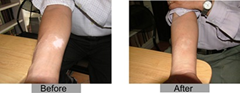
imageVitiligo, also known as leucoderma is a skin disease characterized by the development of white patches on the skin. It is caused mainly due to the improper functioning or destruction of the melanocytes cells that produce melanin pigment (which is normally responsible for providing color to hair and skin). This condition leads to psychological issues relating to appearances and at times among certain individuals (mainly adolescents and the young), this stress can take enormous proportions particularly if vitiligo develops on visible areas of the body, such as the face. Such individuals develop very strong emotions of embarrassment, feeling of being depressed, or worried about how others will react.
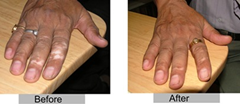
Homeopathy can treat vitiligo very effectively with safe and natural medicines. It is capable of wonderful and miraculous cures in many cases of vitiligo. Homeopathy primarily halts the further progression of the white patches on the skin and later on it promotes pigmentation in the white patches ensuring complete cure. Among the patients of vitiligo, homeopathy optimizes the immune system that helps in preventing damage to melanocyte cells. It also aims to activate the melanocyte cells to enhance the natural production of the pigment and start re-pigmentation of affected areas.Homeopathic Medicine for Vitiligo

Treating vitiligo in homeopathy is a very gradual process. So one needs to remember that vitiligo is a chronic condition and can take considerable time even with the best of homoeopathic treatment, for it to be completely cured.

Homeopathic medicines are natural and safe

Homeopathic remedies are 100 per cent safe and gentle to the human body. They have no side effects and can be used safely among people of all age groups. On the other hand, conventional medicine recommends use of corticosteroids, light therapy, surgical procedures like skin grafting, and blister grafting to treat vitiligo that can have several side effects. Instead, homeopathy is a great alternative to prevent any adverse effects because of conventional medicines.

Homeopathy boosts self-healing mechanism

Each one of us has an inbuilt self-healing mechanism in our body which helps us overcome any health issues naturally. But self-healing requires some kind of a stimulus. Homeopathic medicines that are used in a highly diluted form do this job perfectly to stimulate this healing system for natural recovery in cases of vitiligo.

Homeopathy follows constitutional treatment

According to homeopathic philosophy, vitiligo is not a disease in itself but an expression of an inner disturbed state of the body. Thus, the cure should occur at a level where things have gone wrong. In order to achieve this, homeopathic medicines need to be administered as per the constitution of a person. It means the patient is analyzed on various parameters of mental, physical and familial attributes, and also a complete evaluation is carried out of the psychological environment that the patient has undergone in his life. The prescription is based at the deepest level of understanding of the patient’s disturbed inner force. I would again reiterate the fact that real cure of vitiligo takes place when the prescription is made according to the person’s constitution that treats that deep causative factor which caused this inner disturbance.

7 Best Homeopathic Medicines for Vitiligo

The top seven homeopathic medicines for the treatment of vitiligo are Calcarea Carbonica, Arsenicum Album, Sepia Officinalis, Silicea Terra, Sulphur, Arsenicum Sulphuratum Flavum and Baryta Muriatica.

1. Calcarea Carbonica – For Milky White Spots on the Skin

Calcarea Carb is a top constitutional medicine for vitiligo. It is administered to the patients who suffer from vitiligo and have milky white spots on the skin. These white spots can appear anywhere on the body. In homeopathy constitutional symptoms are given extreme importance while administering the medicine in any given case. These are unique mental and physical symptoms that guide the selection of medicine for any given case. The first most important symptom is a tendency to free perspiration over the head, chest and neck. Individuals who require this medicine are extremely intolerant to cold weather and there are peculiar cravings to eat – chalk, eggs, and pencils. They may also show a tendency to catch colds easily. Weakness of bone may also be discovered. Tendency to chronic constipation and obesity can be present. In the mental sphere, the person may show many types of fears. The prominent ones are fear of misfortune, of contagious disease, of losing reason and of insanity.

When to use Calcarea Carbonica?

The use of Calcarea Carb is recommended to treat the cases of vitiligo with milky white spots on the skin. A few constitutional symptoms that can be present include increased sweating, sensitivity to cold, cravings to eat – eggs, chalk, the tendency to catch cold easily and obesity.

How to use Calcarea Carbonica?

Both low and high potencies of this medicine work wonders. However, it is advised to begin with low potency. Calcarea Carb 30C can be administered just once a day, not more than that.

2. Arsenicum Album – For Vitiligo in Anxious Individuals

Arsenicum Album is yet another effective remedy for vitiligo for those prone to dry, and rough skin. The skin shows whitish spots and the skin is dirty. The skin complaint alternates with respiratory complaints like asthma which is a strong pointer to administer Arsenic Album. In the general sphere, warmth is a relieving factor for those who need this medicine. Warm applications on the skin and warm drinks are desirable. Burning sensation in several body parts may also be noticed. Extreme exhaustion may also be observed. There are peculiar constitutional symptoms that allow us to select Arsenic Album for treatment of vitiligo. The most prominent of these are fears and anxieties. This remedy is often indicated for those who have fears including that of death, disease, germs, and of catching infection. Patients who require Arsenic Album are very anxious personalities. They may show anxieties about health, trifles, and anxiety about others. Marked restlessness is often seen among both mental and physical planes among the persons who need Arsenic Album. The next distinctive feature for selecting Arsenic Album in vitiligo is when the individual is very careful about minor details. People demanding extreme neatness and order in everything is yet another reason why such individuals need to be administered Arsenic Album.

When to use Arsenicum Album?

Arsenic Album is a suitable medicine to treat vitiligo in those individuals who are anxious personalities and often report anxiety attacks from little things and also are very fearful. The skin in general is very dry and rough with white patches.

How to use Arsenicum Album?

The use of this medicine should be restricted to once a day in 30C potency. Consider use of high potencies only under guidance of a qualified homeopath.

3. Sepia Officinalis– For Vitiligo in People with Indifferent Attitude

Sepia is another important remedy in the list that is selected constitutionally for the treatment of vitiligo. If the overall physical and mental makeup of a person suffering from vitiligo matches with Sepia’s constitutional profile, it is then considered to possess a great ability to completely eradicate the disease. The constitutional symptoms that indicate the use of sepia are that such persons have an indifferent approach towards life and family. They show aversion towards family members and friends who were once loved with great affection. They lack interest in doing any work. A tendency to avoid both physical and mental labor is present. They are constantly depressed with marked irritability, a weeping tendency, a desire to be alone, and an aversion to consolation or sympathy. The use of Sepia must also be thought among the women with menstrual irregularities or those around menopausal age with a tendency for hot flushes. In general, soreness and itching may be present on the skin. Upon scratching, itching sensation results burning.

When to use Sepia Officinalis?

Sepia is usually helpful to persons who have vitiligo with itching and soreness on the skin. On scratching, burning occurs at the itchy places. They have indifferent behavior towards life and family like they dislike family members, lack interest in doing any type of work, and desire loneliness.

How to use Sepia Officinalis?

The recommended dose of this medicine is Sepia 30C once a day.

4. Silicea Terra – For Vitiligo with Extremely Sweaty Skin

Silicea carries a good scope to treat vitiligo when selected as per its indications.

The set of symptoms that indicate the use of Silicea are –  pale and waxy skin; tendency to excessive perspiration, especially on the hands and the feet; prone to eruptions in various body parts with pus formation; the tendency to catch a cold frequently; lean, thin physical makeup. A few characteristic mental symptoms need attention while administering Silicea. The main mental symptoms are timidity and an under-confident nature. Silicea may be thought of among people who seem under-confident, fear public speaking, and are bashful and timid. Stubbornness and obstinate behavior may also indicate its use.

When to use Silicea Terra?

Use of Silicea can be considered when there are white spots on the skin along with a tendency of too much sweating mainly on the feet and the hands. Poor self–confidence, stubborn behavior and fear of speaking in public are some of the mental symptoms to be looked for when prescribing Silicea.

How to use Silicea Terra?

Among various available potencies of Silicea, the most commonly used is 6X potency. Silicea 6X can be administered one to two times daily as per the severity of the problem.

5. Sulphur – For Vitiligo with Burning and Itching Sensation on Skin

Although, Sulphur is low down in the list of medicines that treat vitiligo. Its worth is equivalent to the above-mentioned medicines. Sulphur is a deep-acting medicine used often in the treatment of various skin diseases including vitiligo. It goes deep in the body and acts at the root cause to eliminate the disease. It is a very beneficial medicine when itching and burning sensations are marked on the skin in general along with the presence of white spots on the skin. Those who require Sulphur usually show a philosophical mindset. They are popularly referred to as ‘ragged philosophers’. Their mind is constantly occupied with various theories and plans. As a result, they suffer from mental fatigue and absent-mindedness. They take little or no care for their physical appearance and even show an aversion to bathing. An extraordinary craving for sweets may also be shown as a constitutional symptom.

When to use Sulphur?

Its use is suggested mainly when a person has white spots on the skin and has a tendency to feel itching and burning sensation in different parts of the skin.

How to use Sulphur?

Sulphur is usually used in 30C potency in infrequent doses like one or two times in a week.

6. Arsenicum Sulphuratum Flavum– For Chronic, Obstinate Skin Discoloration

Ars Sulph Flavum is a highly useful medicine in chronic and stubborn cases of vitiligo/leucoderma. The white patches are rough, dry and may be associated with itching or burning sensation, especially after washing. The skin appears unhealthy and dirty looking. Symptoms generally worsen in cold weather and improve with warmth.

When to use Arsenicum Sulphuratum Flavum?

This medicine should be administered in cases of leucoderma where the patches are rough, dry and chronic.

How to use Arsenicum Sulphuratum Flavum?

It can be administered in 30C potency two to three times daily for good results.

7. Baryta Muriatica– For Vitiligo Linked to Defective Nutrition

It is administered in cases of vitiligo associated with defective nutrition and glandular involvement. It is mostly suitable for children or elderly patients who are shy, timid, and physically weak with enlarged glands and delayed mental and physical development. White patches may appear along with general underdevelopment or senile degeneration.

When to use Baryta Muriatica?

This medicine is administered to the patient who is timid, shy, and lacks confidence. White patches may appear along with glandular weakness and poor nutrition.

How to use Baryta Muriatica?

It can be used in 30C potency to begin with and the potency can be raised to 200C or 1M after consulting a qualified homoeopath.

Causes of Vitiligo

What causes Vitiligo is not very clear but doctors and researchers are beginning to believe that Vitiligo resembles an autoimmune disorder. It means that the melanin pigment (that is responsible for giving color to our skin) that produce cells of the skin are destroyed by the body’s antibodies (defense cells).

In some cases, it has been observed that the onset of Vitiligo is related to a psychologically stressful events in the patient’s life. People with a family history of Vitiligo are more prone to develop these white patches. Ninety five per cent of all those who develop Vitiligo, start developing symptoms before the 40th year of their life.

Other factors that are more common with those suffering from Vitiligo are the presence of other autoimmune disorders, a history of sunburns, rashes, and other skin disorders, and hair turning grey before the age of thirty-five.

Signs and Symptoms of Vitiligo

People who suffer from Vitiligo develop white patches on their skin of irregular sizes and shapes. Vitiligo is more common on the exposed areas for example face, hands, neck, and arms. It also occurs on covered areas too like genitals, breasts, and legs. In some patients the hair may also turn grey early and on the inside of the mouth, white discoloration may also occur. It can affect a particular localized area of skin or many areas on the skin. In some cases, itching is felt on the skin before the onset of depigmentation.

The spread of Vitiligo cannot be determined. It may stop completely after the first patch but often these patches do spread. For some patients, further development may take years and for others, the large areas can be covered in months.

Types of Vitiligo

Vitiligo is primarily classified into two major categories:

Type 1- Segmental Vitiligo

It usually affects one side of the body (asymmetrically) and the patches appear in a segment or in stripes. It often starts in childhood, progresses rapidly for a period before stabilizing.

Type 2- Non-Segmental Vitiligo

This has many variants such as:

1. Generalized Vitiligo- The patches are symmetrical across large areas of the body, begins often at the extremities (limbs) or eyes and progresses over time.

2. Focal Vitiligo- This is characterized by a single patch localized to a particular area of the body. It does not spread much.

3. Mucosal Vitiligo – It mostly involves mucosal membranes and affects lips and genitals.

4. Universal Vitiligo- It is an extremely rare form with depigmentation over 80 per cent of the skin.

Is there a Genetic Relation to Vitiligo?

Ongoing research and studies shows about 25-30 per cent of vitiligo cases are genetic. This implies that this condition is hereditary and one may inherit vitiligo if it runs in the family. Vitiligo is a polygenic and multifactorial disorder, which means that multiple genes are involved in its pathophysiology and various environmental factors affect its development. Genetic involvement is mainly related to the immune system. For example- Gene NLRP1 (responsible for immune system regulation) and Gene TYR (related to melanin production).

Since it is an autoimmune condition, it is most likely to occur in individuals who have other autoimmune conditions such as- Addison’s disease, Hashimoto’s Thyroiditis, Grave’s Disease, Type-1 Diabetes Mellitus and Rheumatoid Arthritis.

Frequently Asked Questions

1. Is vitiligo a serious disease?

No, vitiligo is not life-threatening or dangerous. It mainly affects appearance, not overall health.

2. Is vitiligo contagious?

No, vitiligo does not spread by sharing food, touch, or close contact.

3. Why do white patches develop?

They develop when pigment producing cells stop working or are destroyed.

4. Can vitiligo spread to other parts of the body?

In some people it may spread gradually, while in others it remains stable for years.

5. Is vitiligo hereditary?

Vitiligo can run in families, but not everyone with a family history develops it.

6. Does vitiligo affect only the skin?

Mostly yes, but sometimes hair over the patches may also turn white.

7. Can stress cause vitiligo?

Stress cannot simply cause vitiligo. It may trigger or aggravate vitiligo in some individuals.

8. Is there a permanent cure for vitiligo?

There is no guaranteed permanent cure. However, the treatment can help control the de-pigmentation and halt the disease from progressing.

9. Can vitiligo be treated with homeopathy?

Homeopathy aims to improve pigmentation and slow progression by treating the individual as a whole.

10. Should I avoid any foods if I suufer from vitiligo?

There is no strict diet or specific foods, but a healthy and balanced diet is best advised.

11. Can vitiligo affect children?

Yes, vitiligo can occur at any age, including childhood.

12. Is sun exposure harmful in vitiligo?

White patches are more sensitive to sunlight, so protection from sun is important.

13. Will vitiligo affect my daily life?

Vitiligo does not curb routine activities, but emotional support is helpful.

14. Can vitiligo stop on its own?

Yes, in some cases vitiligo stabilizes without further spread.

15. Can I take homoeopathic medicines with other treatments?

Yes, homoeopathy can be used alongside the conventional treatment for better results. But do consult your doctor before combining both modes of treatments.

Call Dr. Sharma's Clinic - From United States and Canada call 703-659-0873. Patients From rest of the world and India call +91-6283487321

Top 10 Homeopathic Remedies for Frozen Shoulder Relief

Frozen shoulder, also known as adhesive capsulitis, is a chronic condition characterized by intense stiffness and pain in the shoulder joint. It develops gradually due to inflammation, thickening, and tightening of the shoulder joint capsule that leads to progressive restriction of movement. The condition typically aggravates over time, with recovery being a gradual process. As mobility decreases, the shoulder movement becomes increasingly difficult, causing significant difficulty in performing routine activities for a prolonged period.

Natural and Non-Surgical Homeopathic Treatment for Frozen Shoulder

Homeopathy offers great relief in the cases of frozen shoulder. Homeopathic medicines for frozen shoulder can help relieve one of the ongoing symptoms. Homeopathy has an inbuilt advantage over other systems of medicine because it treats the underlying cause. Homeopathic remedies help in providing relief from pain and stiffness in the shoulder. It can even spare a person from undergoing any surgical procedure. In the conventional system of medicine, different ways are adopted to relieve symptoms of frozen shoulder including massages, physical therapy, the use of medicines like NSAIDs (Non-steroidal anti-inflammatory drugs) and corticosteroids, injections administered locally or systemically. These provide temporary relief but might not fix the underlying cause which leads to the occurrence of the condition. If medications fail to act, surgery is done to cut the adhesions. Being a natural system of medicines, homeopathy not only helps the individual recover well from the current symptoms but also treats the root cause responsible for its occurrence.

Individualized Homeopathic Treatment for Frozen Shoulder

Homeopathic medicines for frozen shoulder are prescribed individually depending on a case-to-case basis. A complete case history is taken into account by the homeopathic physician that involves getting all the information regarding the complaint, its duration, its underlying causes, the detailed symptoms, and modalities (aggravating and relieving factors) peculiar to the patient. The above-mentioned information is important for the doctor to ascertain which remedy is most suited for the complaint.

Safe and Natural Homeopathic Medicines

Homeopathic medicines are of natural origin and there is presence of no harmful chemicals. These can be ingested for as long as recommended by the homeopath without any risk of toxic side effects.

Homeopathy helps manage acute cases as well as chronic cases of frozen shoulder. It minimizes the chances of recurrence of the condition and can help an individual maintain a healthy lifestyle once he has completely recovered from the condition.

homeopathic medicines for frozen shoulder

Top 10 Homeopathic Medicines for Frozen Shoulder

The medicines that top the list to treat frozen shoulder include — Rhus Toxicodendron, Sanguinaria Canadensis, Ferrum Metallicum, Bryonia Alba , Arnica Montana, Causticum, Ledum Pal, Ruta Graveolen, Guaiacum and Ferrum Phosphoricum.

1. Rhus Toxicodendron – Top Grade Medicine For Frozen Shoulder

Rhus Toxicodendron is a wonderful medicine that can help find relief from marked stiffness in the shoulder joint. The shoulder becomes too stiff to move. The stiffness of the shoulder usually gets better by warm application. It can also be helpful in cases where motion and massages tend to provide relief from stiffness. There is severe tearing, and shooting pain at the top of the shoulder. Pain aggravates during cold and wet weather. The problem intensifies during rest, especially at night, deprives one of good sleep. There is a constant feeling of pressure on the shoulders as if a heavy weight has been placed on them.

When to use Rhus Toxicodendron?

Rhus Toxicodendron is the best medicine for managing frozen shoulder with excessive stiffness in shoulder joint along with pain that worsens at night. Relief is felt by moving the shoulders.

How to use Rhus Toxicodendron?

It is mostly administered in 30C potency and initially it can be ingested two to three times a day.

2. Sanguinaria Canadensis – For Right-Sided Frozen Shoulder

Sanguinaria Canadensis is a wonderful remedy for pain that resides at the top of the right shoulder. It usually aggravates during the night and while tossing and turn in the bed. The patient faces difficulty in raising the arm due to severe pain.

When to use Sanguinaria Canadensis?

This medicine should be administered for managing frozen shoulder affecting the right side – the shoulder pain worsens at night, especially while tossing and turning in the bed and from raising the arm.

How to use Sanguinaria Canadensis?

To begin with, one may use its 30C potency one to or two times daily daily.

3. Ferrum Metallicum – For Left-Sided Frozen Shoulder

Ferrum Metallicum is an amazing remedy for treating frozen shoulder of the left side. There is constant pain in the shoulder. Pain is drawing, shooting, tearing and laming in its nature. Pain usually shoots downward and travels down the arm. It becomes impossible for the patient to raise the arm. The patient feels extreme heaviness in the shoulder joint. Slow movement of the shoulder gradually improves the condition. Warmth may be applied to relieve the pain that aggravates in the bed, the patient has to get up and move about slowly to get relief.

When to use Ferrum Metallicum?

This medicine is administered for frozen shoulder on the left side. The pain causes immobility of the arm and it worsens while in the bed and there is relief from slow movement of the shoulder.

How to use Ferrum Metallicum?

It is advised to administer Ferrum Metallicum 30C one to two times daily.

4. Bryonia Alba – For Pains Getting Worse From Least Motion

Bryonia Alba is an excellent remedy in cases where the pain in the shoulder aggravates from even the least movement. There is sharp, tearing pain which usually worsens upon slight touch and by applying pressure. Relief is felt from pain after the patient goes for a complete rest. Warm application may relieve the symptoms. There is painful pressure on the top of the shoulder and an accompanying factor is stiffness felt in the shoulder joints.

When to use Bryonia Alba?

This medicine can be administered in cases of frozen shoulder if the shoulder pain gets severe even from the least movement of the shoulder.

How to use Bryonia Alba?

It works well in both high and low potencies. To begin with, 30C potency is usually administered and can be taken two to three times daily.

5. Arnica Montana– Frozen Shoulder after Injury or Overexertion

Arnica Montana is a well administered homoeopathic remedy for frozen shoulder, especially when the condition results from strain, overexertion, minor trauma, or a sudden awkward movement. The shoulder feels sore, bruised, and painful as if beaten, with marked stiffness and restricted range of motion, making even slight movement difficult. Patients often have a a lot of fear of being touched or approached, as touch aggravates the pain, and they complain that everything they rest on feels too hard. Pain and soreness typically worsen after exertion and may be associated with a sense of sprain or dislocation in the shoulder joint. Arnica is particularly useful in the early and painful stage of frozen shoulder, helping one find relief from deep muscular soreness, stiffness and inflammation.

When to use Arnica Montana?

Arnica Montana works wonders in cases of frozen shoulder when stiffness and pain follow strain, injury, or overexertion, with a sore, bruised feeling and pain that worsens on movement or touch.

How to use Arnica Montana?

It can be administered in 30C, one to two times daily.

It can be used in higher potency such as 200C,1M under the guidance of a qualified homoeopath.

6. Causticum – For Shoulder Pain That Worsens In Mornings

Causticum is a good remedy to treat cases of frozen shoulder if pain in the shoulder aggravates in the morning. The patient may experience difficulty and discomfort in moving the shoulder. Constant feeling of pressure and heaviness is felt on the shoulder. Pain is dull, aching in nature, and is felt in the shoulder and usually aggravates when movement is made.

When to use Causticum?

This medicine can be administered to manage shoulder pain that occurs in the morning in cases of frozen shoulder accompanied by pressure and heaviness in the shoulders.

How to use Causticum?

One may use this medicine once a day in 30C potency.

7. Ledum Palustre – For Shoulder Pain On Raising The Arm

Ledum Palustre suits well in cases where the patient experiences severe pain in the shoulder while raising the arm. The pains are stitching and throbbing in nature. There is pain and pressure in both the shoulder joints that aggravates from motion.

When to use Ledum Palustre?

This medicine is administered for managing stitching, throbbing shoulder pain that intensifies upon raising the arm.

How to use Ledum Palustre?

It can be administered in 30C potency up to thrice daily.

8. Ruta Graveolens– for Tendon and Ligament Strain in Frozen Shoulder

Ruta Graveolens is a top remedy for frozen shoulder where the complaint arises from strain, overuse, or past injury to tendons and ligaments around the shoulder joint. It is especially administered when there is deep-seated aching, and soreness that gives a sensation of a bruise. Also, there is marked stiffness with restricted movement that worsens both after rest and initiation of movement. The shoulder feels weak, as if it may give way, with pain extending in to the arm, wrist, or hand, and a sense of tendon tightness or shortening. Ruta suits cases where the periarticular tissues are chiefly affected — tendons, fibrous structures, and insertions — making it useful in chronic, tightened frozen shoulder with persistent stiffness and soreness.

When to use Ruta Graveolens?

Ruta Graveolens is administered in frozen shoulder with tendons and ligaments involved, causing bruised pain and marked stiffness.

How to use Ruta Graveolens?

It can be administered with 30C, once daily. Higher potency such as 200C,1M can be given under the guidance of a qualified homoeopath.

9. Guaiacum – For Marked Stiffness In Shoulder

Guaiacum can do wonders in cases of stiffness of the joint that results in its immobility. Sharp stitching pain is felt on the top of the shoulder. The pain can be drawing and lacerating in nature and may go down the arm.

When to use Guaiacum?

This medicine is effective in managing stiffness in shoulders along with pain that may extend down the arm.

How to use Guaiacum?

The most commonly administered potency of this medicine is 30C that can be ingested one to two times daily.

10. Ferrum Phosphoricum – For Shoulder Pain Relieved By Motion

Those who require Ferrum Phosphoricum feel pain in the shoulder that is relieved by moving the arm gently. The pain is violent, drawing and tearing in nature and aggravate by the sudden or violent motion of the arm. The shoulder is stiff, painful and very sensitive to touch.

When to use Ferrum Phosphoricum?

This medicine can be administered for frozen shoulder especially when relief is felt from the shoulder pain by moving the arm gently.

How to use Ferrum Phosphoricum?

It is mostly preferred in 6X potency and can be administered two to three times daily.

Symptoms of Frozen Shoulder

This condition has two main symptoms — pain and stiffness in the shoulder:

1. Pain: The pain is dull and aching and can occur in the outer shoulder or the upper arm. Usually, one side gets affected. But in rare cases, both sides may get involved. Pain may become intense over time and can aggravate due to the following:

Weather changes: Some patients may experience worsening of stiffness or pain particularly during cold or dry weather.

Night: Pain usually get worsens during the night which can cause difficulty in getting proper sleep leading to sleep deprivation among the patients.

2. Stiffness: The shoulder feels tight and rigid, making normal movements uncomfortable and difficult.

3. Restricted Range of Motion: Movements of the shoulder, especially while lifting or rotating the arm becomes limited.

4. Difficulty Raising or Rotating the Arm: Simple actions like reaching overhead, behind the back, or rotating the arm outward becomes challenging due to pain and stiffness.

Stages of Frozen Shoulder

Frozen shoulder tends to follow a usual course. It takes place in three stages each with different symptoms.

Stage I: The Freezing Stage

In this stage, the pain begins slowly, the range of motion starts getting limited with stiffness of the joint. Any movement of the shoulder causes pain, and as the pain progresses and worsens, the shoulder tends to lose its mobility. These symptoms can last for six weeks to nine months.

Stage II: The frozen Stage or adhesive stage.

In this stage, pain reduces quite gradually but the stiffness remains. Using the shoulder becomes difficult and it causes hindrance in performing routine activities. These symptoms usually last from four months to a year’s time.

Stage III: The thawing stage or stage of recovery.

In this stage, the motion of shoulder slowly returns towards normal and a range of motion in the shoulder starts getting better. These symptoms generally last from 6 months to two years.

Causes of Frozen Shoulder

1. Reduced Synovial Fluid: Decrease in shoulder joint fluid due to different cause can aggravate pain during movement and further limit motion.

2. Injury or Trauma: Falls that physically impact shoulder or injuries to nearby tissues can trigger frozen shoulder.

3. Autoimmune Component: Misguided immune responses can cause swelling, thickening, and stiffness of the shoulder capsule.

4. Idiopathic Cause: In some instances, frozen shoulder develop without any identifiable cause.

Risk Factors

There are some risk factors that can lead to frozen shoulder:

1. Age: It is more common among the people who are 40 years of age and above.

2. Sex: It is more common among the females than males.

3. Immobility: Immobility of the joint can occur to those recovering from any health condition which is preventing him from using the arm or the shoulder. In such cases, one may be prone to develop the symptoms of a frozen shoulder. This can happen after surgery, stroke, rotator cuff injury, fracture, etc.

4. Systemic Diseases: People who are suffering from any systemic diseases like diabetes mellitus, thyroid disease are at a higher risk of developing frozen shoulder, since these usually affect different parts of an individual at a particular time.

5. Connective tissue disease: Anyone who is suffering from connective tissue diseases like systemic lupus erythematosus can be at a higher risk to develop symptoms of  frozen shoulder.

Pathophysiology

The shoulder is a ball and socket joint. It is made up of three bones namely Humerus (bone in the upper arm), Scapula (shoulder blade), Clavicle (collarbone). Strong connective tissue or shoulder capsule surrounds the joint and holds everything (bones, ligaments, tendons) together. Also, there is the presence of synovial membrane which lines the joint capsule and produces synovial fluid. Synovial fluid helps in providing lubrication to the joint and the capsule and reducing the friction between the bones, making the movement of the shoulder easier.

When inflammation of the shoulder capsule starts due to any causative factor and thick bands of the tissue or adhesions start developing, there is less room in the joint for the Humerus, making the joint painful and stiff to move. It can further restrict the movement of the shoulder.

How to diagnose it?

Frozen shoulder is diagnosed primarily through a combination of clinical evaluation and the patient history. A physician assesses stiffness, pain, and restriction of the movement in the shoulder, especially if he notices difficulty in raising or rotating the arm. Physical examination focuses on both passive and active range of motions, to scrutinise any restrictions or discomfort. Imaging tests, such as X-rays or MRI, may be used to rule out other conditions like fractures, arthritis, or rotator cuff injuries, but the diagnosis is mainly clinical, based on characteristic pain and progressive loss of shoulder mobility.

Frequently Asked Questions

1. Can frozen shoulder recur?

Recurrence is uncommon but possible, especially if underlying risk factors persist or the shoulder remains immobilized for long periods.

2. Can lifestyle factors influence it?

Sedentary lifestyle, poor posture, or repetitive overhead activities may subtly increase the risk of stiffness and prolonged recovery.

3. Can weather affect symptoms?

Some patients report aggravated stiffness or aching during cold or damp weather.

4. Can frozen shoulder affect sleep posture?

Patients often avoid lying on the affected side, using pillows to support the arm, which may cause neck or back sprain.

5. Can bilateral frozen shoulder occur?

Yes, although rare, both shoulders can be affected, either simultaneously or on separate occasions and even months apart.

6. How does homeopathy work for frozen shoulder?

Homeopathy stimulates the body’s self-healing process and targets symptoms such as pain, stiffness, and tissue inflammation, while addressing the underlying cause in a holistic way.

7. Are homeopathic remedies safe for long-term use?

Yes, when prescribed by a qualified homeopathic physician, remedies are safe, non-habit forming and can be used long-term without side effects.

8. Can homeopathy be combined with physiotherapy?

Yes, homeopathic treatment works well alongside physiotherapy, exercises, and lifestyle measures to improve range of motion and recovery speed.

9. Can homeopathy help if frozen shoulder develops after surgery?

Yes. Remedies can reduce inflammation, support healing of the tissues, and improve mobility after prolonged immobilization.


Call Dr. Sharma's Clinic - From United States and Canada call 703-659-0873. Patients From rest of the world and India call +91-6283487321

Top 9 Natural Homeopathic Remedies for Writer’s Cramp

Homeopathic Remedies for Writer's Cramp

Writer’s Cramp is a medical condition characterized by an involuntary muscle contraction in the fingers or hands while writing that leads to uncontrollable movements (involuntary movements). Since the muscle coordination is lost, it becomes difficult to hold a pen. The key symptom is when tries to grip the pen tight, along with flexion (inward movement towards the body) of the wrist. In Writer’s Cramp, the brain sends false signals to the muscles leading to increased muscle contractions and abnormal hand posture while writing. In some cases there is a pain in the hands or shaking of the hand. The main reason is the overuse of hands.

Homeopathy offers a very effective treatment for the cases of Writer’s Cramp. The homeopathic remedies are obtained through natural and highly diluted substances and thus are totally safe to use. These medicines work on the root cause to help relax the muscles of the hands. Signs of improvement appear within the first few months of homeopathic treatment. Conventional mode of treatment mostly recommends anticholinergic drugs and botox injections for Writer’s Cramp. These medicines offer short-term relief and can result in many side effects as well. On the other hand homeopathic medicines have no side effects and the condition can be cured completely if the medicines are regularly administered in most cases having mild to moderate intensity.

Homeopathy relies on characteristic signs and symptoms present in each case of Writer’s Cramp before prescribing a remedy. The same medicine cannot be prescribed in every case and the most suitable medicine has to be decided from amongst the various options recorded in homeopathic therapeutics for treating this condition. The medicine selection is solely based on the individual’s unique symptoms. For this, a detailed case history is prepared followed by its evaluation to finalize the best possible homeopathic prescription.

Homeopathic treatment strengthens the muscles and nerves of the hands to prevent involuntary muscle contractions and uncontrollable movements. Initially, it manages the symptoms followed by long-term relief and cure. However, the results vary depending on the duration and the severity of the complaint and response of the sufferer to the medicine.

One of the key benefits of using homoeopathic medicines is that they are free of any toxins or chemicals. Therefore, there are no chances of side effects at all. One more advantage of using homeopathic medicines is that these are non-habit forming. These can be easily stopped when the desired results have been achieved.

Top 9 Natural Homeopathic Remedies for Writer’s Cramp

The top nine homeopathic remedies for treating Writer’s Cramp are Stannum Metallicum, Magnesium Phosphoricum, Cuprum Metallicum, Gelsemium Sempervirens, Kali Phosphoricum, Cyclamen Europaeum, Calcarea Fluorica, Ruta Graveolens and Causticum.

1. Stannum Metallicum – Top Grade Medicine for Writer’s Cramp

Stannum Metallicum is one of the best medicines for Writer’s Cramp. It is administered when one feels cramps in the fingers and hands while picking up the pen or while writing. Sudden tightness in the muscles of hands and fingers is felt which remains in the same position for a short time. Along with this, jerking movement of the writing hand is quite obvious. Stannum Metallicum is highly recommended when the complaint arises due to the overuse of the hands, as in the case of professional writers and typists. Along with the cramps, the hand and the arms also feel heavy while writing. Weakness in the hand of the paralytic type may be felt.

When to use Stannum Metallicum?

It is the best choice of medicine for treating Writer’s Cramp with sudden tightness in the hands and the finger muscles along with shaking of hands while writing. It is also highly recommended for this complaint arising from the overuse of hands like due to excessive typing work.

How to use Stannum Metallicum?

It is administered in 30C potency once a day.

2. Magnesium Phosphoricum – For Cramps in Hands with Pain

Magnesium Phosphoricum is a wonderful muscle relaxant (helps release contraction of muscle). It is an ideal natural medicine for Writer’s Cramp if pain is felt along with contracted muscles in the hand. The pain can be shooting, stitching, or cutting in nature. A peculiar characteristic feature is that one gets relief from warmth or by applying pressure on the hand. This medicine is equally effective in treating cramps in the hands that result from playing instruments with hands like piano, violin, etc. It is also beneficial for cramps in other body parts like legs, abdomen, and feet. Cramps that occur due to prolonged exertion are treated well by this medicine. This medicine is of great help to strengthen the muscles of the hands as well as it helps get relief from contractions and pain.

When to use Magnesium Phosphoricum?

This medicine is to be administered when cramps are felt in the hands along with marked pain that can be stitching, shooting, or cutting in nature. One feels relief from pain due to warmth and pressure application.

How to use Magnesium Phosphoricum?

This medicine is mostly used in biochemic form that is in 6X potency. Depending on the severity of the complaint, it can be administered three to four times daily.

3. Cuprum Metallicum – For Cramps in Fingers with Shaking Hands

Cuprum Metallicum is another wonderful medicine to treat Writer’s Cramp cases, especially in the fingers. It is also a great medicine to help relax muscles. Jerking of hand may accompany the other symptoms. There may occur an involuntary clenching of the thumb into the palm. Besides, it is administered to help cases of cramps of toes, feet, and calf muscles. There is twitching of muscles and weakness of upper extremities (limbs).

When to use Cuprum Metallicum?

This medicine can be administered for cramping that is felt in the fingers with symptoms of hand jerking and thumb involuntarily clenching into the palm.

How to use Cuprum Metallicum?

One can administer this medicine once a day in 30C potency.

4. Gelsemium Sempervirens – For Cramps with Marked Weakness of Hands

This natural medicine, sourced from plant “Yellow Jasmine”, is administered for Writer’s Cramp that is accompanied by a significant weakness of the hand. Gelsemium is the ideal medicine when cramps appear in the hand, fingers or forearm while writing. It seems as if the muscles cannot be controlled and they are working without the will of the person.  There is a sudden spasmodic contraction of muscles of the fingers, hands and weakness in the hands. The person feels fatigued even after little exertion in writing. Jerking or trembling of hands may be noticed in such cases. Anxiety may aggravate the symptoms.

When to use Gelsemium?

This medicine is apt for cases of Writer’s Cramp if cramping in hands is accompanied by marked weakness in hands.

How to use Gelsemium?

Two to three doses a day of Gelsemium 30C can be administered as per the severity of the case.

5. Kali Phosphoricum – For Cramps Worsening from Exertion of Hand

Kali Phosphoricum can be used to improve the nerve power in hands. It also helps to remove muscle contractions due to overuse of hands. Kali Phosphoricum is the best natural remedy when even a slight exertion of the hand leads to cramping conditions and results in contraction of muscles. Numbness may also be felt by the person along with contracted muscles. Among the individuals who require this medicine, stress may aggravate the condition.

When to use Kali Phosphoricum?

Kali Phosphoricum is beneficial in cases of Writer’s Cramp when overuse or exertion of the hands aggravates the condition. Additionally, stress of any sort also intensifies the problem.

How to use Kali Phosphoricum?

This medicine is usually preferred in 6X potency and can be used three to four times daily.

6. Cyclamen Europaeum – For Contraction of Right Thumb and Index Finger

This medicine is especially helpful in cases when there is marked contraction of the right thumb and index finger. They remain in a contracted position and can be brought to the normal position with the application of force. A painful drawing sensation is also felt in the wrist in some cases.

When to use Cyclamen Europaeum?

Its use is suggested for Writer’s Cramp if there is contraction of the right thumb and index finger that can be accompanied with a drawing type of pain in the wrist.

How to use Cyclamen Europaeum?

This medicine can be administered in 30C potency one or two times daily for best possible results.

7. Calcarea Fluorica – For Cramps and Stiffness from Long-Continued Strain

Calcarea Fluorica is administered in the cases of writer’s cramp if the condition arises from prolonged overuse and repeated strain of the hand muscles. There is rigidity, stiffness, and cramping pain in the fingers and wrist while writing. The muscles feel hard and unyielding, and movements become difficult due to continuous work. It is especially useful in chronic cases, where the ligaments and tendons have lost elasticity and the complaint worsens with exertion.

When to use Calcarea Fluorica?

It is useful in cases of writer’s cramp that develop gradually due to long-continued and repeated use of the hand. The condition is usually chronic, with marked stiffness.

How to use Calcarea Fluorica?

It is administered in 6X potency initially. The potency can be raised to 30C & 200C after consulting a qualified homoeopath.

8. Ruta Graveolens– For Cramps in Hands from Overstraining of Tendons

Ruta Graveolens is one of the best remedies for writer’s cramp that is caused by overstraining of tendons and periosteum. There is aching, bruised pain, and marked weakness of the hands and wrists, making it difficult to continue writing. Fingers feel painful and stiff, and the hand tires quickly. Symptoms aggravate due to repeated use and get better from rest and warmth. It is especially administered to people engaged in fine manual work.

When to use Ruta Graveolens?

This medicine should be thought of in cases of writer’s cramp arising from overstraining of the tendons and ligaments of the hand and wrist.

How to use Ruta Graveolens?

The use of this medicine is recommended in both low and high potencies. Initially, one may use its 30C potency once or twice daily. For using high potencies, consultation with a homeopath is a must.

9. Causticum – For Progressive Paralytic Weakness of Hands

Causticum is especially administered where the condition is the result of progressive motor weakness with spasmodic action of muscles. It is indicated particularly in occupational neuromuscular disorders affecting the fingers and the hands. The patient experiences an inability to properly control the muscles while writing, with stiffness, trembling, and gradual loss of power in the hand from continued use. There is a tendency towards paralytic weakness, where the fingers may feel rigid, awkward, or partially powerless, making fine movements like writing difficult or impossible. In persons needing this medicine, symptoms typically aggravate from exertion and overuse and are often relieved by warmth.

When to use Causticum?

This is a very useful remedy in cases where there is loss of control over fine movements, making writing impossible or difficult. The condition arises from long-continued use and overexertion, showing paralytic tendencies.

How to use Causticum?

This medicine should be administered in 30C potency one to two times daily.

Signs And Symptoms of Writer’s Cramp

Initially, the first and foremost symptom is intermittent difficulty in writing. As the medical condition progresses, cramping is felt in shorter and faster intervals than before. The following signs and symptoms are noted in Writer’s Cramp:

1. Tight gripping of pen/pencil

2. Flexion (bending) of wrist and elevation of elbow

3. Extension of fingers at times result in falling of pen from hand while writing

4. Discomfort in fingers, wrist and forearms

5. Lack of muscle coordination of hand, hand and fingers are unable to obey commands

6. In some hand dystonia cases, sustained hand posture may occur like a clenched fist and bent wrist

7. Due to the above mentioned complaints, writing becomes untidy

Types of Writer’s Cramp

1. Simple Writer’s Cramp:  When symptoms appear only while writing and only the ability to write is affected. The hand twists in strange postures while writing.

2. Dystonic Writer’s Cramp: In this type, the symptoms appear even while doing tasks with hands other than writing; for example, it may appear while doing other activities like eating, buttoning a shirt, applying makeup, etc.

Causes of Writer’s Cramp

It is a type of specific type of focal dystonia. Dystonia is involuntary and sustained muscle contraction, focal means affecting only one body part (here the hands and the fingers) and specific means it occurs specifically while writing. It is also known as ‘task specific dystonia’ or ‘focal hand dystonia’.

1. Its onset usually occurs between the ages of 30 and 50 years. Simple Writer’s Cramp is a more common type. It is linked with overuse of hands like excessive writing for years together.  Other factors that play a role are holding pen inappropriately and keeping poor posture of hands while writing.

Stress and anxiety can aggravate the complaint.

2. It has been found in research that among those suffering from Writer’s Cramp, there is decreased brain tissue (gray matter) in those brain areas (cerebellum, thalamus and sensorimotor cortex) which control hand movement on the affected side. However it is still not understood well if these changes are the cause or the result of this condition. Besides, there is a theory that suggests that brain changes might be a part of adaptation due to sustained repetitive hand movement.

3. Dystonic writer’s cramp is the less common type and occurs usually as a part of generalized dystonia affecting multiple body parts.

4. Writer’s Cramp may have a genetic component. It is estimated that in about 20 per cent of the persons who suffer from writer’s cramp, there is a family member who has reported the complaint of dystonia. A gene DYT1 is linked with generalized dystonia.

5. In some cases, hand dystonia may be a result of some injury, lesions of spinal cord and peripheral nerve damage. In such cases, symptoms are experienced even when the hand is at rest, pain may be felt and symptoms may occur in body parts other than the hand.

Frequently Asked Questions

1. Why does my hand hurt only when I write?

The hand only hurts while writing because the hand muscles are overused and lose proper control during writing.

2. Is writer’s cramp dangerous?

No, it is not dangerous, but it can disturb daily work if ignored.

3. Who can get writer’s cramp?

Anyone who writes for long hours, such as students, teachers, or office workers can be prone to writer’s cramp.

4. Can stress affect the symptoms of writer’s cramp?

Yes, stress can aggravate the cramps due to increased muscle tension.

5. Will resting my hand help?

Yes, rest can help, but proper treatment is needed for complete relief and permanent cure.

6. Can writer’s cramp be cured?

Yes, many people improve with early and proper treatment. But severity and frequency of symptoms also contribute to the recovery process.

7. How can I prevent a writer’s cramp?

Writer’s cramp can be prevented by taking regular breaks while working, relaxing your hand, and avoiding tight pen grip.

8. Does homeopathy help in writer’s cramp?

Yes, homeopathy can help reduce cramps and improve hand control. It also works on the root cause.

9. Should I stop writing completely?

No, writing in short intervals and taking frequent breaks is better than stopping completely.

10. When should I see a doctor?

One should consult a doctor if pain or stiffness persists for long duration or affects daily work.

11. How is writer’s cramp diagnosed?

There is no single test to diagnose the condition, the diagnosis is based on medical history, clinical signs and symptoms, and observation of handwriting.

12. Is writer’s cramp and carpal tunnel syndrome the same?

No, both the conditions are different. Writer’s cramp is a neurological movement disorder while carpal tunnel syndrome is caused due to nerve compression. However, the symptoms may resemble.

13. Can changing the pen or grip help?

Yes, using larger pens with softer grips helps in reducing the strain and improving control.

Call Dr. Sharma's Clinic - From United States and Canada call 703-659-0873. Patients From rest of the world and India call +91-6283487321

9 Best Natural Homeopathic Medicines to Treat Gout

homeopathic medicine for goutGout is an inflammatory joint illness that is a result of enhanced uric acid levels in the blood. It leads to the formation and deposition of monosodium urate crystals in joints, soft tissues, and kidneys. This deposition sets off sudden, intense attacks of joint pain, swelling, redness, and inflammation.

Though any joint in the body can be affected by gout, the joint at the base of the big toe is more prone to be affected in a majority of the cases. Normal uric acid levels in blood are 3.5 to 7.2 mg/dL. Uric acid levels more than this indicates hyperuricemia (high uric acid). Raised uric acid is not a disease and thus not dangerous. However, if excess uric acid levels lead to the formation of crystals in between the joints, gout can develop.

In some people, enhanced uric acid levels also lead to the formation of kidney stones. Please remember, not everybody who have high levels of uric acid, develop gout. High levels of uric acid in blood without any symptoms is termed as asymptomatic hyperuricemia.

Managing Gout Naturally with Homeopathic Medicines

Homeopathic remedies offer a very effective treatment for various complaints related to the joints, including gout. These medicines can be a big boon for all those who suffer from high uric acid and gout. Homeopathic medicines, along with proper dietary plan, can lead to remarkable recoveries in cases of gout. Homeopathic medicines for gout help relieve symptoms like tenderness, stiffness, pain, and also reduce the accompanying factors like swelling and inflammation in the joints. These medicines reduce overproduction of uric acid in the body and, where the need be, it accelerates the removal of this waste product through the kidneys.

In the mainstream medicines, NSAIDs (non-steroidal anti – inflammatory drugs) and corticosteroids are used to treat gout. These medicines offer a temporary relief and also tend to cause side-effects due to prolonged use. On the other hand, homeopathic medicines do not have any adverse effects and help in long-term relief and cure with regular medication as guided by a qualified homeopath.

Managing Acute and Chronic Gout with Homeopathy

Homeopathic medicines offer help in both acute and chronic gout cases. Initially, they treat an acute attack of gout. Following this, the homeopathic treatment helps treat the chronic tendency of gout. With these medicines, there is a gradual decrease in severity and frequency of gout attacks. And with further treatment, a permanent cure occurs in most of the cases.

Individualized Homoeopathic Medicine

Homeopathy is a symptom-based science, homeopathic medicines for gout are administered as per the characteristic symptoms in every individual. After medicine selection, the potency, dosage and repetition is decided given the uniqueness of the symptoms being presented. It is best advised to get every case of gout evaluated by a homeopath for correct prescription and best results. Self-medication is a strict no. These medicines offer relief in the cases of gout very gently.

Top 9 Homeopathic Medicines for Gout

The top nine homeopathic medicines for treating gout are Colchicum Autumnale, Benzoicum Acidum, Ledum Palustre, Urtica Urens,Lithium Carbonicum , Bryonia Alba, Lycopodium Clavatum , Berberis Vulgaris and Guaiacum Officinale.

 1. Colchicum Autumnale – Top Grade Medicine For Gout

Colchicum Autumnale is the most frequently prescribed medicine for gout. It is an unfailing medicine that provides speedy relief from soreness, pain, and swelling of the joints from gout. It is an effective medicine to manage gout in almost any of the joints but particularly the one that affects the big toe. Severe pain, swelling in the big toe is felt in cases who need this medication. The big toe is very tender, sore and hot, even a slight touch on the toe is unbearable. The pain aggravates on movement. Aggravation of toe pain in the evening is also noted in a few cases requiring this remedy. It can be administered for stiffness and swelling in the hands and the feet from gout. This medicine can even be administered when several joints are affected by gout at the same time.

When to use Colchicum Autumnale?

It is a very effective medicine for managing gout with marked swelling, pain, and soreness, especially affecting the big toe.

How to use Colchicum Autumnale?

The potency of this medicine differs from case to case from low to high. Low potencies like 30C can be administered twice or thrice daily. Use of high potency like 200C should be limited to once daily.

2. Benzoicum Acidum – For Gout Affecting Knee Joint And Big Toe

Benzoicum Acidum is a wonderful remedy for gout that affects the knee joint and the big toe. For those who need it, the knee joint is painful and swollen, and there is a cracking noise in the joint when it is moved. In some cases, nodes from the deposits of urate crystals may be present on the knees. Benzoicum Acidum also works wonders in cases of knee pain that aggravates after drinking wine. Other than the knee, it is also beneficial for pain in the big toe joint. It is administered when the pain in the big toe gets severe at night. It occurs in the big toe mainly on the right side. Tearing or stitching pain is felt.

When to use Benzoicum Acidum?

It is the best choice of medicine for managing gout of knee and big toe with pain, swelling and sometimes node formation.

How to use Benzoicum Acidum?

One may take it in 30C potency one to two times daily depending on the intensity of the complaint.

3. Ledum Palustre – For Gout Affecting Ankle, Hands And Feet

Ledum Palustre is the most suitable medicine to manage gout that affects ankles. It is administered if there is swelling and pain in the ankle that extends upwards in the leg. The gouty pain aggravates in the evening as well as with movement. Ledum Pal is also helpful for treating gout that affects the toes and the feet. Tearing pain is felt in the toes. It is administered if gout starts in the joints of lower limbs and later affects joints in the upper body. In the case of gout of the hand, it is administered when nodes form on the hand and the finger joints. A drawing type of pain in the affected hand is felt.

When to use Ledum Palustre?

This medicine is administered for those cases of gout that affect the ankles, hands and feet especially when the pain worsens in the evening and from any movement.

How to use Ledum Palustre?

This medicine works wonders in 30C potency and can be administered two to three times daily.

4. Urtica Urens – For Gout of Wrist and Ankle

It is an important medicine in homeopathy for cases of gout affecting the ankle and the wrist. It is equally effective for acute and chronic cases of gout. This medicine is also used for dissolving kidney stones.

When to use Urtica Urens?

This medicine is an undoubtedly effective medicine for treating gout affecting the ankle and the wrist in both chronic and acute cases.

How to use Urtica Urens?

It is mostly preferred in Q (mother tincture) form that can be administered one to two times daily.

5. Lithium Carbonicum – For Gout Affecting Small Joints

Lithium Carbonicum is especially administered in gout associated with a uric acid diathesis. It suits cases with gouty pains in small joints, particularly toes, fingers and ankles, often with nodular swellings and stiffness. There is marked pain in the ankle joints while walking and pain in the hollow of the foot radiating up to the knee. Tenderness and swelling of the affected joints are prominent, and the pains are characteristically relieved by very hot water.

When to use Lithium Carbonicum?

It is administered for gout affecting the small joints and ankles; the pain is relieved by warm applications.

How to use Lithium Carbonicum?

It can be administered in 30C potency once a day.

6. Bryonia Alba – For Gout When Pain Worsens From Slightest Motion

Bryonia Alba is administered for gout when joint pain worsens from the slightest movement. It is most helpful when there is redness, pain, heat and swelling in the joints, especially in the feet. Other than movement, pain aggravates from touch. The nature of pain is sharp, tearing or stinging in nature.

When to use Bryonia Alba?

This medicine is a good option to deal with cases of gout when the joint pain aggravates from the slightest movement of the affected joint.

How to use Bryonia Alba?

It can be administered in 30C potency up to 3-4 times daily.

7. Lycopodium Clavatum – For Gout Affecting Heel

This medicine is well indicated for gout that causes pain in the heel. There may be worsening of heel pain while walking. A sensation of stone under the heel is felt. Along with this, profuse sweat and cold is felt on the feet. Lycopodium is also administered for cases of chronic gout where chalky deposits have formed in the joints.

When to use Lycopodium?

It is an excellent remedy for cases of gout that affects the heel with marked pain along with the sensation of stone under the heel.

How to use Lycopodium?

Lycopodium should be administered 30C once daily.

8. Berberis Vulgaris – To Manage Kidney Stones From High Uric Acid

Berberis Vulgaris is a top medicine for treating kidney stones due to high uric acid. It helps dissolve kidney stones. It is administered if pain is around the kidneys. The pain may radiate down to the urinary bladder from the kidney area, along with a stinging, and burning sensation in the kidneys. The urine may also contain sandy or slimy sediments. Though, it can be used for kidney stones on any of the sides, it is mostly indicated for kidney stones on the left side.

When to use Berberis Vulgaris?

Its use can be considered to treat kidney stones linked to high uric acid and pain in kidney region radiating down to the bladder.

How to use Berberis Vulgaris?

It is used mostly in mother tincture (Q) form that can be administered two to three times daily.

9. Guaiacum Officinalis- Gout with severe tearing pains

Guaiacum is well administered in gout if tearing, stitching pain and marked stiffness is felt in the joints. The affected joints are extremely painful, swollen, and intolerant to pressure, with a sensation of heat in the limbs. Gouty pains are often tearing in nature, associated with contractions and stiffness that doesn’t let one move. The condition is aggravated by heat, movement, wet, and cold weather, while relief is comes from cold applications, pressure, and stretching or movement of the limbs.

When to use Guaiacum Officinalis?

It works wonders in gout with intense tearing pain.

How to use Guaiacum officinalis?

It can be administered in 30C potency once a day. Higher potencies such as 200C or 1M can be used only under the guidance of a qualified homoeopath.

Types of Gout

1. Acute Gout: Sudden onset of severe joint pain, swelling, redness, and warmth, most commonly affecting the big toe (podagra).

2. Chronic Gout: Develops after repeated acute attacks, with persistent stiffness, joint pain, and possible joint damage.

3. Intercritical Gout: Symptom-free period between acute gout attacks when the patient feels normal, but uric acid levels may remain high.

4. Tophaceous Gout: Advanced stage marked by deposition of urate crystals (tophi) around joints, fingers, ears, or toes that leads to deformity.

5. Asymptomatic Hyperuricemia: Elevated uric acid levels without joint pain or inflammation that may later progress to gout.

Signs And Symptoms Of Gout

Gout symptoms occur due to the deposition of uric acid crystals in the joint spaces and or in the connective tissue of the joints. The main signs and symptoms are as follows:

1. Pain in joints: Gout is a very painful condition, mainly affecting the metatarsal– phalangeal joint at the base of the big toein most cases. Gout affecting big toe joint is named podagra. Pain occurs suddenly and in most cases, joint pain starts during the night and reaches maximum within 12 hours of its beginning.

 Joints Affected

Gout mainly affects the joint (metatarsal–phalangeal joint) at the base of the big toe but it can affect other joints as well. The other joints that can be affected by gout include ankles, heels, knees, wrists, elbows, fingers, and shoulders.

Duration of a Gout Attack

One episode of gout can last from 3 days to two weeks. In between two gout attacks, no symptoms occur at all.

2. Swelling, Redness and Heat in Joints

3. Tenderness of the Joint: Joint is painful even to slightest touch, even the little contact with bedsheet seems unbearable.

4. Stiffness of the Joint and limited range of motion of joint

5. Tophi: Deposits of hard, painless deposits of uric acid, called tophi can appear as lumps under the skin and around the joints from long-standing increase in uric acid levels.

Causes And Risk Factors

The main cause of gout is an increase in uric acid levels in the blood.

The following factors increase risk of gout

1. Dietary factors: Eating food products rich in purines tend to raise the levels of uric acid in the blood. Some foods that are high in purines include meat, fish, seafood, shrimp, shellfish, beans, dried mushrooms, and spinach. Besides excessive alcohol, intake is strongly linked with an increased risk of gout. Drinking sugar-sweetened beverages are also linked with gout.

2. Some medical conditions make a person susceptible to gout. These include kidney disease, metabolic syndrome (It is a group of conditions including hypertension, abdominal obesity, and insulin resistance and abnormal lipid levels), psoriasis, haemolytic anemia, diabetes and hypertension.

3. A positive family history of gout increases risk

4. Obesity also increases susceptibility

5. Males are at higher risk of developing gout as compared to females. In females, chances are more of developing gout after menopause.

6. The use of certain medicines, like thiazide diuretics, is linked with gout attacks. Some other medicines associated with gout attack are aspirin, beta blockers, immunosuppressive drugs ciclosporins and excessive use of vitamin D supplements.

7. Recent surgery or a physical trauma

Pathophysiology

In our body, when purines (present in certain food and drinks) break, then uric acid is formed. This uric acid is expelled via kidneys in urine.  Gout occurs when there is an increase in the uric acid levels in the blood. Uric acid levels increase either due to its overproduction (in 10% of cases), or decreased elimination of the uric acid from the body by the kidney (this is cause in 90% of the cases). As a result of increased uric acid levels in blood, uric acid crystals (known as as monosodium urate crystals) start accumulating in joints and soft tissue around it.  These are sharp, needle-like crystals that trigger an inflammatory response, resulting in gout.

Complications Of Gout

1. A person may get recurrent attacks of gout each year

2. Joint erosion, damage and destruction

3. Formation of tophi (nodules under skin from deposits of urate crystals) that can form in any area like fingers, feet, hands and Achilles tendon. Tophi become tender during gout attack, at other times, are entirely painless.

4. In some cases, urate crystals tend to accumulate in urinary tract, leading to kidney stones.

Diagnosis And Investigations

1. Uric acid levels in blood: It is the most common test recommended in case of gout in which levels of serum uric acid are in blood are found to be elevated in gout. But its role in confirming gout is limited, as it is seen that many people have high uric acid level in blood but do not have gout, while some people have gout but their blood uric acid levels are normal.

2. Synovial fluid test: In doubtful cases, this test is suggested as it gives confirmatory diagnosis of gout. In this test, fluid from the affected joint is drawn with needles and checked under microscope. In case of gout, urate crystals are seen in this fluid.

3. Ultrasound of joint: It may help to check urate crystals in joint.

4. X-ray of joint: It may not be helpful in acute cases but in chronic cases, it may show joint erosions.

Management

 The management of gout focuses on reducing uric acid levels, relieving pain, and preventing recurrent attacks through a holistic homeopathic approach. Diet plays a crucial role; purine-rich foods such as red meat, certain seafood, organ meat, alcohol (especially beer), and sugary drinks should be avoided. Whole grains, fresh fruits, vegetables, nuts, low-fat dairy products, and proper hydration should be encouraged to help eliminate uric acid. Regular, moderate exercises like swimming, walking, or cycling helps maintain a healthy weight and improves joint mobility, though strenuous activity should be avoided during acute attacks. Lifestyle measures such as adequate rest, weight control, stress management, are equally important, as sudden weight loss and stress can trigger flare-ups. During acute episodes, rest and proper care of the affected joint are also important.

Frequently Asked Questions

1. Can diet alone control gout?

Diet plays an important role, but complete control often requires lifestyle modification and medical or homoeopathic treatment based on the unique symptoms of the individual.

2. Can gout recur after treatment?

Yes, gout is prone to recurrence if uric acid levels remain high or triggers are not controlled.

3. Is alcohol harmful in gout?

Yes, alcohol—especially beer—increases uric acid levels and can trigger gout attacks.

4. Can homoeopathy help in gout?

Homoeopathy aims to manage gout by reducing uric acid tendency, relieving joint pain, and preventing recurrence, with treatment individualized for each patient.

5. Can stress trigger gout attacks?

Yes. Emotional and physical stress can enhance uric acid levels and precipitate acute gout attacks.

6. Is homoeopathy useful in chronic or recurrent gout?

Yes, homoeopathy is especially beneficial in chronic and recurrent gout. It aims to reduce the frequency and severity of the attacks and prevent long-term joint damage.

7. Is self-medication advisable in homoeopathic treatment of gout?

No. Gout requires individualized remedy selection and potency adjustment, so treatment should always be taken under the guidance of a qualified homoeopathic physician.

8.  ​Homoeopathic can be combined with conventional treatment?

Yes, it can be taken along with conventional medicine. Maintain a gap of 10-15 minutes between both the medicines.

9. Are homoeopathic medicines safe?

Yes, homoeopathic medicine are absolutely safe and non-habit forming. It should be initiated under the guidance of a qualified homoeopath.

10.  ​Is gout a lifelong condition?

Gout can be curbed with proper treatment, diet, and lifestyle changes.

Call Dr. Sharma's Clinic - From United States and Canada call 703-659-0873. Patients From rest of the world and India call +91-6283487321

Top 11 Homeopathic Medicines For Piles

homeopathic medicine for piles

Piles, also known as hemorrhoids refer to dilatation, inflammation and swelling of the veins around the anus or lower rectum. This stagnates the blood inside these veins resulting in symptoms like anal pain, itching, bleeding and tenderness.
Homeopathy offers a very successful and effective treatment for piles. Homoeopathy works in a two pronged manner in the cases of piles.

The first is that it provides prompt relief from the symptoms like burning sensation, anal pain, swelling, bleeding, and itching. The second aspect is that it corrects the internal disturbances of the venous system to reduce engorgement of the rectal veins and the pooling of blood and ensures smooth and unobstructed blood flow that helps in complete recovery. It is known well that out of all the risk factors, the major predisposing and maintaining factor for piles is chronic constipation that causes persistent straining to pass stool leading to dilatation of the veins. Homeopathy also focuses on treating chronic constipation. Homeopathic remedies help in regulating bowel movements and softens the stool thus ensuring its easy passage.

 How Homoeopathy Treats Piles?

1. Gentle and Free of Side-Effects – Homeopathic remedies are sourced from naturally obtained substances thus ensuring their safety that treats piles from its roots along with easing the symptoms. The treatment period in homeopathy for piles can range from a few weeks to a few months. The length of homeopathic treatment for piles depends upon the time period of the symptoms, their severity, and how quickly a patient responds to the medicines.

2. Homoeopathy addresses the root cause – The conventional treatment of piles involves over-the-counter (OTC) medications for piles including creams, ointments, and painkillers. For constipation, laxatives are recommended that offer temporary relief and may have side effects due to its prolonged use. On the other hand, homoeopathy not only provides symptomatic relief but also helps in treating the root cause of the problem, ensuring long-term relief in cases of piles.

3. Non-Invasive and Individualized Treatment – In many cases of piles, surgery is the only option left for most patients. However, timely homeopathic cure can help avoid invasive procedures like surgery in piles in most of the cases. The sooner the patient approaches a qualified homeopath for treatment, the higher the chances to avoid surgery. A suitable homoeopathic remedy is prescribed after thorough evaluation of an individual’s symptoms and factors such as the age of the patient, chronicity of complaint and intensity of the symptoms. Depending upon each case, and its uniqueness, the dose, potency and repetition is decided.

Top 11 Homeopathic Medicines for Piles

The top eleven homeopathic medicines for treating piles are Aesculus Hippocastanum, Nux Vomica, Aloes Socotrina, Hamamelis Virginiana, Collinsonia Canadensis, Muriaticum Acidum, Ratanhia Peruviana, Nitricum Acidum, Paeonia Officinalis, Sulphur and Thuja Occidentalis.

1. Aesculus Hippocastanum– Top Remedy for Painful, Non-Bleeding Piles

It is the best and most frequently administered medicine for painful piles. It is prescribed when pain is felt during or after passing stool. The pain continues for long hours after the passing of stool and is very sharp and may extend from the anus to the lower back. A person may have a distinct feeling of small sticks filling up the rectum. It is a specific medicine for external piles and blind piles (non-bleeding piles). This medicine does wonders on engorged haemorrhoidal veins, and brings about a lot of relief, and also helps in shrinking piles naturally.

When to use Aesculus Hippocastanum?

The characteristic feature to administer this medicine is external piles with marked pain during and after passing the stool.

How to use Aesculus Hippocastanum?

The most commonly recommended dosage of this medicine is in 30C potency that can be administered two to three times a day as per the severity of the complaint.

2. Nux Vomica– For Piles with Constipation and Ineffective Urge

Nux Vomica is the best medicine to treat piles with constipation and ineffective urge to pass the stool. Those who need this medicine have to pass stool several times a day to completely clear the bowels. They pass stool bit by bit throughout the day and yet have the urge to pass the stool. Such patients have marked pain and itching at the anus. Nux Vomica is administered for piles that are non-bleeding. Nux Vomica is the go-to medicine for piles or constipation triggered by alcohol. It is also the best choice for those with piles who lead a sedentary lifestyle.

When to use Nux Vomica?

Its use is highly suggested to manage piles with constipation where the ineffective urge to pass the stool is prominently felt.

How to use Nux Vomica?

Though, it can be used in both low to high potencies, in the beginning, it is best advised to take it in 30C potency two to three times daily for best possible results.

3. Aloe Socotrina– For Protruding, Grape-Like Piles

Aloe Socotrina is the number one medicine when it comes to treating protruding piles (internal piles take an outward bulge from the anus and can be seen as soft lumps of tissue). The protruding piles are very sore and tender and look like a bunch of grapes bluish in color. Persons who require it may find cold applications on affected areas soothing and help during soreness, pain, and tenderness. They may also have severe itching.

When to use Aloe Socotrina? 

This medicine is well administered for protruding piles with marked tenderness and pain.

How to use Aloe Socotrina?

It is advised to administer this medicine in 30C potency thrice or four times a day depending on the intensity.

4. Hamamelis Virginiana– For Bleeding, Internal Piles

This natural medicine sourced from plant ‘witch – hazel’ is the best prescription for piles that bleeds. It controls bleeding piles in an outstanding manner. Hamamelis is useful in cases where piles are painless, internal, and bleed. ‘Painless, bleeding piles’ these three words are an indication to describe the use of this medicine in its entirety, and it requires no further description.

When to use Hamamelis Virginiana?

This remedy can be wonderfully administered for managing bleeding from piles without any pain.

How to use Hamamelis Virginiana?

One may take Hamamelis in 30C potency thrice or four times a day as per the intensity of the symptoms.

5. Collinsonia Canadensis – For Piles with Constipation (Dry, Hard Stool)

It is an effective medicine to treat piles with constipation especially when the stool is hard and dry. It can be administered when hemorrhoids are external or protruding and there is also marked pain. Additionally, a particular sensation of sand or sticks in the rectum may be felt. This medicine is also administered to treat piles that are painful accompanied by bleeding.

When to use Collinsonia Canadensis?

This medicine can be used to treat the patients suffering from piles who report constipation along with passing of hard and dry stool.

How to use Collinsonia Canadensis? 

It can be administered in 30C potency two to three times daily for best results.

 6. Muriaticum Acidum – For Piles Extremely Painful To Touch

This is a leading homeopathic remedy to manage piles that is painful even on the slightest touch. It is mainly indicated for protruding piles. The piles look bluish or dark purple like a bunch of grapes. A characteristic symptom is relief of soreness from warm applications.

When to use Muriaticum Acidum?

This remedy can be administered in cases of piles that are intensely painful even on the slightest touch.

How to use Muriaticum Acidum?

The most frequently used potency of this remedy is 30C. Muriatic Acidum 30C should be administered once a day and in severe cases twice daily, but not more than that.

7. Ratanhia Peruviana– For Piles with Intense Burning Sensation

This medicine is indicated to manage piles accompanied by severe burning sensation. Along with this, there is noticeable strain while pass stool. Piles may protrude out of the anus when one strains to pass stool. Apart from these, a peculiar sensation of little pieces of broken glass in the rectum can be felt. Pouring cold water over the anus may provide relief for a while.

When to use Ratanhia Peruviana?

Ratanhia is an ideal prescription for cases of piles that have severe burning sensation and protruding piles.

How to use Ratanhia Peruviana?

To begin with, one may initiate with its 30C potency two or three times a day. After close observation of symptoms, higher potencies can be administered if the need so arises, but only under guidance of a qualified homeopath.

8. Nitricum Acidum – For Protruding Piles with Bleeding and Sharp Pain

Nitricum Acidum is a wonderful medicine for cases of piles protrude while passing stool accompanied by bleeding. Along with it, the pain that is felt is very sharp, pricking, stitching, cutting type, or there could be sensation of burning.  Constipation with dry, hard stool that passes with much strain is another accompanying factor. Pain also occurs at the anus. Constant pressure and weight is felt in the rectum.

When to use Nitricum Acidum?

This medicine can be administered for protruding piles with bleeding and sharp, stitching pain.

How to use Nitricum Acidum?

Use this medicine once or twice daily in 30C potency. Dose can be reduced once the patient starts feeling the relief.

9. Paeonia Officinalis – For Intensely Painful Piles with Fissures

Paeonia Officinalis is one of the best remedies for painful and bleeding piles associated with anal fissures. The hemorrhoids are extremely sore and tender, with violent pain during and after defecation, often lasting hours. There is oozing of dark blood, accompanied by burning sensation and itching at the anus. The anus feels ulcerated and raw that makes sitting difficult. The patient may also complain of offensive perspiration and general weakness due to blood loss.

When to use Paeonia Officinalis?

Paeonia is prescribed when piles are extremely painful, especially when associated with anal fissures. The pain is cutting, sharp, or burning and may continue for hours after passing stool.

How to Use Paeonia Officinalis?

The use of this medicine is recommended in both high and low potencies. At the outset, one may use its 30C potency once or twice daily. For using high potencies, prior consultation with a homeopath is a must.

 10. Sulphur – For Chronic Piles with Intense Burning

Sulphur is indicated in chronic, congested piles, especially if the patient has chronic constipation. The piles burn and itch severely, with a sensation of heat in the rectum, often relieved by cold applications. There may be frequent ineffective urge to pass stool. The stool may be dry and hard stools that are expelled with difficulty. Hemorrhoids may bleed easily. Sulphur is particularly useful in cases of relapse, or when other remedies do not work, and in patients who are heat-loving, untidy, and mentally active.

When to Use Sulphur?

Sulphur is suited for chronic or recurrent piles with intense burning sensation felt and itching at the anus and habitual constipation with dry and hard stool.

How to Use Sulphur?

This medicine is administered in 30C potency one to two times daily for best results.

11. Thuja Occidentalis – For Moist, Oozing Piles

Thuja is useful in moist hemorrhoids, especially when there is burning sensation and smarting after stool. The piles may bleed and ooze offensive moisture. There is a peculiar sensation as if something is sticking or pressing in the rectum. Constipation is common, with painful defecation. Thuja is particularly indicated for patients with a sycotic constitution, a history of suppressed discharges, or complaints following vaccination.

When to Use Thuja Occidentalis?

Thuja Occidentalis is administered in moist, oozing piles, often with fissures and burning pain after stool.

How to Use Thuja Occidentalis?

It can be administered in 30C potency twice or thrice daily depending on the severity of the pain.

Note You may continue these medicines for about 2 to 3 weeks. If symptoms persist, or if you want to continue any of these medicines beyond 3 weeks or enhance potency, it is advised to seek consultation from a qualified homeopath.

Types of Piles: Signs And Symptoms  

Piles are of different types according to their location and whether they bleed or not. External piles, internal piles, protruding/prolapsed piles, and blind piles are the most common types. The symptoms of piles depend on the type of piles.

1External piles are visible on the surface of the skin around the anus and can be seen or felt from the outside. The main symptoms of external piles include painful swelling and hard lumps around the anus. These hemorrhoids irritate, sometimes itching or bleeding.

2. Internal piles lie deep inside the rectum and cannot be felt or seen outside. It is mostly painless since there are no pain receptors in the region where it tends to appear. The only symptom of internal piles is bleeding while straining at the time of passing stool. However, an internal hemorrhoid may protrude through the anus, causing pain and irritation.

3. Protruding or prolapsed piles is a condition when hemorrhoids get pushed out towards the anus when force is applied to pass stools. They look like pink, moist pads of skin. Prolapsed or protruding hemorrhoids tend to hurt since the anus area is dense with pain-sensitive nerves. The typical symptoms of hemorrhoids are mucus discharge, itching and pain.

4. Blind piles refer to hemorrhoids that do not bleed. They feel like protruding masses, usually detectable after passing stools, at the opening of the anus.

5. Mixed/ Interno – External pilesrefers to a condition in which internal as well as external piles appear simultaneously.

6. Thrombosed piles refers to external hemorrhoids in which a blood clot is formed that blocks blood flow resulting in swelling of anal tissue with intense pain.

Causes, Risk Factors That Lead To Piles

Primarily, the swollen veins that are seen in piles develop due to increased pressure in the rectum. This may disintegrate the tissues supporting the anal walls, leading to hemorrhoids. Several factors contributing to this kind of pressure are enlisted below:

1. Irregular Bowel Movements (Constipation is the leading cause of piles): Factors like constipation, overuse of enema or laxatives, straining to pass stool spending too much time on the toilet seat adds to the strain on the rectum and anus, leading to piles. On the other hand, chronic diarrhea may also sometimes be the reason.

2. Diet: Lack of a fiber-rich diet, not enough hydration, excessive intake of alcohol, and consumption of spicy food and junk food are some of the contributing factors.

3. Pregnancy: There is increased pressure on the abdomen and pelvic area during pregnancy, which is a leading cause of piles during pregnancy. In some cases, hemorrhoids develop as a result of childbirth due to excessive pressure on the rectum and anus.

4. Age and Heredity: Other factors like heredity and age too may cause piles due to the weakening of the tissues supporting the rectum and anus.

5. Inactive sedentary lifestyle: Prolonged sitting and lack of exercise or physical activity, and obesity also predispose one to this disease.

6. Portal Hypertension: Portal hypertension refers to a condition where there is an increase in the blood pressure within the veins of the portal venous system. The veins coming from the spleen, stomach, pancreas, and intestines merge into the portal vein that travels through the liver. In case of any complication due to which blood cannot flow properly through the liver, high pressure develops in the portal system. This pressure can cause the development of swollen, large veins in the stomach, esophagus, and rectum. As a result, hemorrhoids may develop in the anal area.

Grading Of Piles

Grade I- No prolapse

Hemorrhoids remain inside the anal canal, they may cause bleeding and pain but they do not protrude.

Grade II- Prolapse but spontaneous receding

Hemorrhoids protrude out during straining, or while passing stool but they recede on their own. These may cause bleeding, discomfort and itching.

Grade III- Prolapsed piles requiring manual receding

Hemorrhoids prolapse during bowel movements and have to be pushed back manually.

Grade IV- Permanently Prolapsed

Piles are permanently prolapsed and cannot be pushed back; they require significant intervention as they may become thrombosed, ulcerated and extremely painful.

Management and Lifestyle Measures for Piles

Managing piles includes several factors, which when taken into consideration along with homoeopathic treatment can help in relieving symptoms and preventing recurrence.

1. Dietary Changes – Increasing fiber in your diet is essential to manage piles. Include more vegetables, fruits, whole grains such as brown rice, oats to make stools soft and bulky.

2. Water Intake – Drink 2-3 liters of water daily to prevent hard stool and constipation.

3. Limit Processed Foods – Reduce intake of fried food, highly processed foods and heavy meals.

4. Monitoring Bowel Habits- Avoid straining while passing stools, do not delay the urges and don’t sit in the toilet for long periods of time.

5. Physical Activity- Physical activity in your routine such as walking, yoga and swimming helps regulate the bowel habits.

6. Manage Body Weight – Excessive weight can exert pressure on the pelvic veins leading to improper digestion and painful symptoms.

Frequently Asked Questions

1. Is bleeding in piles dangerous?

Bleeding is usually mild and painless, but repeated bleeding can cause weakness or anemia. Persistent or heavy bleeding should always be brought to the knowledge of a physician.

2. Can piles heal on their own?

Early or mild piles may improve with proper diet, good hydration, and avoiding straining. Ongoing or worsening symptoms require treatment.

3. Are piles a lifelong condition?

No. If treatment happens on time, and healthy bowel habits are maintained along with dietary discipline, piles can be curbed and recurrence prevented.

4. Can piles be treated without surgery?

Yes. Most cases, especially early ones, respond well to medical treatment and lifestyle changes. Surgery is needed only in advanced cases.

5. What diet is best in case of piles?

A fiber-rich diet including vegetables, whole grains, fruits, and plenty of water helps soften stools. Spicy, junk, and processed foods should be limited.

6. Does sitting for long hours worsen piles?

Yes. Long sitting hours, especially on the toilet seat, increases pressure on anal veins. Regular movement and avoiding long toilet sittings are helpful.

7. Can piles come back after treatment?

Yes, if constipation and poor bowel habits return. A healthy lifestyle greatly reduces the risk of recurrence.

8. When should I consult a doctor?

Consult a doctor if there is intense pain, frequent bleeding, swelling, prolapse, or no relief with basic measures.

9. Is a lump near the anus normal in piles?

Yes. Some piles present as a tender or soft lump, which may reduce on its own or need treatment depending on the intensity.

10. Why are piles common during pregnancy?

Yes. Hormonal changes, pressure on pelvic veins, and constipation make piles common in pregnancy. They often improve after delivery.

11. Can piles cause weakness?

Repeated blood loss may lead to anemia, causing weakness and fatigue. Medical advice is important if this occurs.

12. How long does recovery take?

Most patients improve within days to weeks by bringing about lifestyle changes and proper treatment depending on the intensity of the symptoms.

Call Dr. Sharma's Clinic - From United States and Canada call 703-659-0873. Patients From rest of the world and India call +91-6283487321

Top 8 Homeopathic Medicines for Genital Warts

Genital Warts is a sexually transmitted infection caused by human papilloma virus (HPV). It is a highly contagious disease that spreads through direct skin-to-skin contact, usually during genital, oral or anal sex with an infected person. They appear like a small, flesh-coloured or grey swellings, which may be raised, flat, or cauliflower-like in shape. Genital warts may occur as a single wart but more often than not appear in clusters. Their size may vary from 1-5 mm in diameter up to large masses in the genital or anal area. They may be soft or hard. The colour may vary. Among females, the warts can develop in vagina, on vulva and cervix. In males, these may form on the scrotum and penis (tip or shaft). Besides, warts can appear on the anus and perineum (area between anus and genitals) among both the males and the females.

Mostly genital warts cause no symptoms and remain silent. But they may cause itching, pain or bleeding. An outbreak of genital warts may trigger psychological distress, such as anxiety among some people.

Natural Relief from Genital Warts with Homeopathy

Homeopathy offers a natural and highly effective treatment for cases of genital warts. Initially the homeopathic medicines halt the formation of new warts and gradually help in dissolving the warts already present on the genitals. Simultaneously, they help manage any accompanying pain, itching and bleeding related to warts. Talking of how these medicines score over conventional treatment in treating genital warts, the biggest factor in their favour is that they promote natural healing by fighting with the infection.

Beyond Removal: A Natural Way to Heal Genital Warts

In conventional mode, certain ointments and creams are administered in cases of genital warts that may have side effects. Besides, cauterization and laser treatment are common options available for treating genital warts. These are temporary measures and do not guarantee that it will prevent the recurrence of the infection. However, homeopathy is a natural healing science that can completely get one rid of genital warts and is totally free of any side effects.

Homeopathy fights with viral infection

Homeopathic medicines aim to fight the viral infection that causes warts. These medicines boost the natural healing process of the body that fights with the virus and help eliminate it from the body. This way it aids natural recovery. They also help minimise the tendency of recurrence of the genital warts in the future.

Individualized prescription

Homeopathic remedies for healing genital warts are administered individually on a case-by-case basis depending on the unique characteristic symptoms the patient shows up with. A detailed evaluation of the case is carried out in every case by a homeopath to finalize the prescription. A complete course of homeopathic treatment guided by a qualified homeopath helps quick recovery in the cases of genital warts. It is recommended to administer any homeopathic medicine for genital warts under the supervision of a homeopath and avoid self-medication.

Homeopathic medicines do not suppress Warts

Homeopathic remedies carry no risk of suppressing the warts. If warts are suppressed by administering conventional medicines, they may recur anytime in the future and sometimes in a more harsh way. But homeopathic medicines eradicate the root cause behind the infection rather than act superficially and hence help in permanent recovery.

Safe, natural medicines

Use of homeopathic medicines for the treatment of genital warts is completely safe since these are prepared from naturally obtained substances. These medicines help in complete recovery in the most gentle and harmless way without causing side effects.

A Natural, Painless Way to Overcome Genital Warts

The most common treatment available for genital warts is cauterisation. It is a very painful process. In addition to the pain, this method does not guarantee that it will prevent the recurrence of genital warts. They are temporary measures and also carry the risk of permanent scarring. The only permanent treatment to completely eradicate genital warts is found in the homeopathy. These medicines help in complete recovery from genital warts in the most harmless and gentle way.

Top 8 Homeopathic Medicines for Genital Warts

The most highly recommended medicines for genital warts are the following ones: Thuja Occidentalis, Nitric Acidum, Medorrhinum, Lycopodium Clavatum, Calcarea Carbonicum, Natrum Sulphuricum, Sabina and Causticum.

1. Thuja Occidentalis – Top medicine for Genital Warts

Thuja Occidentalis ranks as the top remedy to treat genital warts. It can effectively manage cases of genital warts among both the males and the females. Among the males, this medicine is helpful for multiple warts on glans penis. The warts are also present on the shaft of the penis and prepuce. These are usually red coloured. The warts can be painful. The warts may also spread to anus. Among the females, this medicine is useful for warts on the vulva and vagina. The warts are painful to touch and can also bleed at times. Among the females, the warts may be present on the anus.

When to use Thuja Occidentalis?

Thuja is a leading medicine to manage genital warts among both the males and the females. Among the males, it can be administered to treat multiple warts on the penis and the prepuce that are reddish in appearance. For the females, this medicine can be used for warts that appear on the vulva and vagina that are painful and may bleed sometimes.

How to use Thuja Occidentalis?

Thuja 30C can be administered one to two times a week depending on the case. This medicine can also be administered in 200C power but only under the supervision of a qualified homeopath.

2. Nitric Acidum – For Painful Genital Warts

Nitric Acid is a highly administered medicine for genital warts that are painful. For those who need this medicine, the warts are large and jagged. The pain is mainly pricking type. The warts may ooze moisture. These may also have a tendency to bleed.

 When to use Nitric Acidum?

Nitric Acid is an excellent medicine for painful genital warts, especially with pricking type of pain when warts are large and jagged.

How to use Nitric Acidum?

This medicine can be administered in 30C power once a day.

How to use Nitric Acid?

This medicine can be taken in 30C power once a day.

3. Medorrhinum – For Genital Warts in Females with Fishy Vaginal Discharge

This medicine is mostly used for cases of genital warts among females if there is vaginal discharge that have fishy smell. The discharge is thin. The warts are small, pedunculated with pin heads. One may complain of vaginal itching.

 When to use Medorrhinum?

This medicine is well-suited for cases of warts on female genitals with fishy smelling vaginal discharge and vaginal itching.

How to use Medorrhinum?

This medicine can be administered in 200C potency once a week or 15 days.

4. Lycopodium Clavatum – For Dry, Non-Tender Genital Warts

This medicine is administered to manage dry warts on genitals of male or female. The warts are pedunculated (attached to the skin by a narrow stalk). These are not at all painful or sensitive to touch. Among the males, itching on the scrotum is observed. Among the females, vaginal itching can accompany the warts.

When to use Lycopodium?

 This medicine should be considered to treat dry warts on genitals among either the males or the females when warts are pedunculated and painless.

How to use Lycopodium?

Though this medicine may be used in different potencies, it is best to initiate with 30C potency once daily. Higher potencies can be administered but only under the supervision of a qualified homeopath.

5. Calcarea Carbonicum – For Small Skin Coloured Warts on Genitals

Calcarea Carbonicum is a significant medicine to treat cases of genital warts especially if warts are small and skin coloured. They are round and multiple. The warts are soft at the base hard, rough on the upper surface. These may be itchy. Stinging type of pain may be felt in these warts.

When to use Calcarea Carbonicum?

It is administered for genital warts that are skin coloured and tiny and appear in multiple number.

 How to use Calcarea Carbonicum?

One may use Calcarea Carb 30C once daily.

6. Natrum Sulphuricum– For Soft, Moist, Recurrent Genital Warts

Natrum Sulphuricum is a well administered homoeopathic remedy for genital warts that are soft, moist, flat or pedunculated, often appearing in clusters that have a tendency to spread or recur. The warts may ooze an offensive, sticky moisture and are commonly associated with intense itching, burning, and soreness, which aggravate in damp or humid weather. There may be a feeling of rawness in the genital region, with excoriation of surrounding skin due to constant moisture. Discharges accompanying the warts are typically greenish-yellow, thick, and offensive.

When to use Natrum Sulphuricum?

It is a well indicated medicine for soft, moist, flat genital wart with thick, greenish-yellow offensive discharge.

How to use Natrum Sulphuricum?

It can be used in 30C potency once in a day. Higher potency such as 200C, 1M can be started under the guidance of a qualified homoeopath.

7. Sabina – For Itchy Warts on Genitals

Sabina is a beneficial medicine for managing cases of itchy warts on genitals. Burning sensation may also be felt in the warts besides itching. Among the females who need this medicine, vaginal discharges can be present along with stitching pain in the vagina.

When to use Sabina?

Sabina should be administered to treat genital warts that are itchy and have a burning sensation.

 How to use Sabina?

It is advised to use Sabina 30C once a day.

 8. Causticum– for Jagged, Bleeding Genital Warts

 Causticum is administered for genital warts that are irregular, large, jagged, and bleed easily, especially on slight touch or friction. The warts are often painful, sensitive, and heal gradually with surrounding skin showing rawness, excoriation, or soreness in folds.

 When to use Causticum?

It works wonders for large, uneven bleeding Genital Warts.

How to use Causticum?

It can be administered with lower power 30C, one to two times daily. Higher potency such as 200C, 1M can be initiated only under the guidance of a qualified homoeopath.

Sign and Symptoms of Genital Wart 

1. Appearance of soft, small, flesh-coloured or greyish growths on genitalia, perineum, or anus.

2. Lesions may appear as single or in clusters, often with a cauliflower-like surface. Warts can be flat, raised or pedunculated (on a stalk).

3. Sticky or moist lesions in some cases.

4. Itching or irritation in the genital or anal area.

5. Burning sensation, especially during sexual activity or urination.

6.Discomfort or mild pain at the site of warts.

7. Occasionally, warts may bleed or ooze.

Cause and triggering factors

Cause: Genital warts are caused by the Human Papillomavirus (HPV), most commonly HPV types 6 and 11, that spread through skin-to-skin sexual contact.

Following are some of the triggering factor for Genital Warts:

1. Weakened immune system: Reduced immunity due to chronic illness, poor nutrition, stress or lack of rest allows the dormant virus to become active and produce warts.

2. Unprotected sexual activity: Sexual contact without protection increases the Chances of HPV transmission and repeated exposure to the virus.

3. Multiple sexual partners: If one has multiple sexual partners that raises the risk of encountering HPV and increases the likelihood of infection.

4. Hormonal changes: Hormonal changes, such as at the time of pregnancy or prolonged stress, can alter immune response and trigger warts.

5. Local skin irritation or micro-trauma: Shaving, friction, scratching, or poor genital hygiene may cause tiny breaks in the skin, making viral entry and wart formation easier.

6. Smoking: Smoking weakens local immunity and is associated with persistence and recurrence of genital warts.

Pathophysiology

The virus gains entry through minute abrasions in the skin or mucous membranes during sexual contact and targets the basal epithelial cells. By altering normal cellular differentiation and promoting excessive cell proliferation, HPV leads to localized thickening of the epithelium and formation of wart-like lesions. Inadequate immune clearance allows the virus to persist, resulting in recurrence or spread of warts.

How to diagnose it?

Genital warts are mainly diagnosed through careful clinical examination, as their characteristic appearance is often sufficient for identification. Visual inspection under adequate lighting helps assess the shape, size, number, and distribution of lesions.  Biopsy is recommended when the diagnosis is doubtful, lesions are atypical, pigmented, ulcerated, or unresponsive to treatment, to rule out malignancy.

Frequently Asked Questions

1. Can genital warts spread through toilet seats or towels?

This is extremely unlikely, as HPV requires direct skin-to-skin contact.

2. Can tight clothing worsen genital warts?

Yes. Friction and moisture trapped due to tight clothing can aggravate lesions.

3. How does homeopathy work in genital warts?

Homeopathy works by focusing at the root cause and supporting the body’s natural healing process rather than just treating the visible warts.

4. Is genital warts contagious?

Yes, genital warts are caused by HPV and spread mostly through sexual or skin-to-skin contact.

5. Can genital warts cause cancer?

Most genital warts do not cause cancer, but certain high-risk HPV types may increase cancer risk.

6. Can genital warts recur after treatment?

Yes, warts can recur, if the HPV remains in the body even after warts have been visibly removed.

7. Do immunity or stress affect genital warts?

Yes, low immunity or stress can make warts grow faster or recur.

8. Can genital warts spread to other parts of the body?

Warts usually remain in the genital or anal area, but touching and scratching may transfer them to adjacent skin areas.

9. Is homeopathy safe for long-term use in genital Warts?

Yes, homeopathic remedies are gentle, natural and safe for long-term use without dependence.

10. Does homeopathy help with recurrent genital warts?

Yes, homeopathy strengthening the body’s immunity and addressing the underlying susceptibility, helping effectively manage and reduce the chances of recurrence.


Call Dr. Sharma's Clinic - From United States and Canada call 703-659-0873. Patients From rest of the world and India call +91-6283487321

Dissolve your Heel Spurs – Top 10 Homeopathic medicines for Calcaneal Spur and Heel Pain

Homeopathic medicines for Calcaneal Spurs

Calcaneal Spur, also known as a heel spur, refers to a pointed, sharp, bony outgrowth on the calcaneal bone present in the heel. The key symptom of a calcaneal spur is pain in the heel around the spur. This pain not only restricts movement, but the discomfort while walking or standing affects the individual concerned.

Homeopathy offers a very holistic and safe treatment for heel spur/calcaneal spur. These remedies have shown considerable effectiveness in treating cases of heel spur. They help in both dissolving the spur as well as relieving the pain in the heel due to the spur, thus providing complete and long term cure from calcaneal spurs. Conventional mode of treatment mainly recommends the use of over-the-counter pain medications, corticosteroids and anti-inflammatory injections in heel spur cases that might help but the results are short-lived and the condition may not be resolved. On the other hand, homeopathy reaches the core and ensures long-term relief.

Homeopathy focuses on treating the root cause like damage to ligaments/muscles/tendons and controls the inflammatory process as in the case of arthritis, plantar fasciitis and helps get excellent results. Once the root problem is addressed, the bony outgrowth tends to dissolve gradually in a natural way.

The use of homeopathic remedies in calcaneal spur may also prevent surgical intervention in most cases of heel spur as recommended in conventional treatment for several types of cases. Homeopathic remedies work internally to dissolve calcium deposits. With a complete course of homeopathic treatment under the guidance of a homeopathic physician, a complete cure occurs in most of the cases of heel spur.

The homeopathic medicines for calcaneal spur are made of natural and highly diluted substances which are completely safe to use and have no side effects.

Top 10 Homeopathic Medicines for Calcaneal Spur/Heel Spur

The top ten medicines for treating Calcaneal/Heel Spur are Calcarea Fluorata, Aranea Diadema, Ruta Graveolens, Rhus Toxicodendron, Ammonium Muriaticum, Pulsatilla Nigricans, Hecla Lava, Bryonia Alba, Phytolacca Decandra and Silicea Terra.

1. Calcarea Fluorata — Best Medicine for Dissolving Calcaneal Spur 

Though there are several homeopathic medicines to dissolve heel spurs, Calcarea Fluorata tops the chart. It is a naturally obtained medicine with immense healing power to dissolve a calcaneal spur. This remedy helps almost all cases of calcaneal spur whether painful or not. Not just the heel bone, this medicine can be administered to dissolve spurs in any bone of the body. This medicine is also administered for extra bony outgrowths that tend to form after an injury.

When to use Calcarea Fluorata?

Calcarea Fluor can be administered as the first choice of remedy in cases of calcaneal spur as it is the best resolving agent for bony outgrowths.

How to use Calcarea Fluorata?

 It is mainly used in biochemic form in 6X potency and can be administered three to four times a day. The top remedies for treating Calcaneal / Heel Spur are Calcarea Fluor, Aranea Diadema, Ruta, Rhus Tox, Ammonium Mur and Pulsatilla.

2. Aranea Diadema — For Digging and Boring Heel Pain

Aranea Diadema is the next best medicine for calcaneal spurs. For those who need it, there is pain in the heel that aggravates when one starts walking in the midst of pain. However, as one continues walking one is relieved of it after sometime.  This remedy is believed to be the best to get rid of the digging and boring type of pain in the heel. The pain may alternate with a feeling of numbness in the heel. Extreme sensitivity to cold air can also be predominantly present. If the complaint occurs at a regular interval of time, it is yet another characteristic feature to administer this medicine.

When to use Aranea Diadema?

It is a wonderful medicine to manage heel spurs with digging or boring type of heel pain that aggravates when one starts walking but is relieved of it with continued walking.

How to use Aranea Diadema?

This medicine can be administered in 30C potency one or two times daily for best possible results.

3. Ruta Graveolens — For Heel Spur Formed After Stressed Ligaments, Muscles and Tendons

Ruta Graveolens works very well if muscles, ligaments, and tendons are repeatedly put under strain following which bone spurs form. It is signaled by a shooting pain in the heel. The pain from the heel extends to the Achilles tendon. The tendon that connects the calf muscle present in the back of the leg to the heels is known as Achilles tendon also known as Tendo-Achilles. For patients who have pain in the heel due to calcaneal spur with the pain extending into the Tendo Achilles, the best remedy is Ruta.

When to use Ruta Graveolens?

This medicine is of particular use for heel spur formed due to repeated strain on muscles, ligaments, and tendons of the heel along with a shooting type of pain.

How to use Ruta Graveolens?

Administering 30C potency is the best choice to begin with. The medicine can be administered twice or thrice a day depending on the severity of symptoms.

4. Rhus Toxicodendron – For Sharp Pin like Heel Pain When Begins To Walk

Rhus Toxicodendron is the top remedy for pain in the heel felt more when one starts walking in the morning. It often worsens from standing. If the pain in the heel is the first thing that troubles you as you stand in the morning, Rhus Tox is the go-to medicine. Those who need this medicine feel as if they are standing on the pin, though the pain gets better by continuous walking. The pain experienced by the person while standing is most of the time stitching type in nature. Another expression to explain this pain is feeling a sharp pain as though there is a nail beneath the skin. Rhus Tox also helps in repair of the muscles and ligaments covering the heel bone, thus preventing further heel damage. Rhus Tox thus acts in three spheres for calcaneal spur patients — pain relief, strengthening the muscles or ligaments, and dissolving the spur.

When to use Rhus Toxicodendron?

It is a wonderful medicine to manage stitching and sharp pain in the heel as if there is a nail/pin under the skin or when one puts pressure on the feet while walking or when one stands for the first time in the morning.

How to use Rhus Toxicodendron?

This medicine can be administered in both low and high potencies. Initially, one may use its 30C potency two to three times a day. For using higher potencies, consultation with a qualified homeopath is a must.

5. Ammonium Muriaticum — For Pain In Heel On Walking

Ammonium Muriaticum is a very beneficial remedy for calcaneal spur when pain in the heel is felt on walking. Ammonium Mur helps in reducing the pain as well as dissolving the spur. Apart from specific worsening of pain when one walks, the person also complains of pain in the heel in the morning. Those who need this medicine may get relief by slight rubbing of the heel. The pain may be tearing, stitching, or ulcerative in nature.

When to use Ammonium Muriaticum?

It is a well-indicated remedy to manage spur along with pain in the heel while walking. Relief is felt one when one gets the heel rubbed.

How to use Ammonium Muriaticum?

It is advised to use this remedy in 30C potency once or twice daily for best possible outcome.

6. Pulsatilla Nigricans – For Heel Pain Like From Pricking From An Iron Nail

Pulsatilla Nigricans is a natural remedy prepared from the plant “Windflower”. It works wonders when a person feels pain in the heel as when one is pricked with an iron nail. There is inability to walk barefoot. Heels feel sore, pain aggravates with walking. Heel pain tends to get intense in the evening.

When to use Pulsatilla Nigricans?

Pulsatilla can be used to manage pain in the heel as if due to a pricking from an iron nail with pain aggravating in the evening or due to walking.

How to use Pulsatilla Nigricans?

It can be used in different powers from low to high potencies depending on the intensity of the complaint. Initially, it is advised to use it in 30C power once a day.

7. Hecla Lava – For Violent Heel Pain with Extreme Sensitiveness to Pressure

Hecla lava is a top remedy for calcaneal spur due to exostosis (bony outgrowth) of the heel bone. The pain is gnawing, boring, or aching and gets intense when there is pressure or due to walking, often making movement difficult. It acts deeply on bone and periosteum and is especially administered when radiological findings confirm a bony spur or enlargement of the calcaneum.

When to use Hecla lava?

It is one of the most important medicines for calcaneal spur, especially due to exostosis of the calcaneum with severe pain due to walking.

How to use Hecla lava?

It usually works well in low potencies. It is usually administered in 30C potency twice or thrice daily for best possible results.

8. Bryonia Alba – For Heel Pain Worsening on Slightest Motion

Bryonia Alba, a natural remedy sourced from plant “Wild Hops” is indicated in heel pain arising from acute or sub-acute inflammation of the plantar fascia or periosteum of the calcaneum, especially due to strain, overuse or prolonged standing. The pain is stitching, sharp, or tearing in nature and gets severe while walking or due to any type of movement, compelling the patient to keep the foot perfectly still. There is a sensation of soreness as if the heel is bruised. Firm pressure and rest provides relief. Bryonia is particularly useful in early inflammatory stages of heel pain and in calcaneal spur cases where inflammation predominates rather than established bony overgrowth.

When to use Bryonia Alba?

It is administered in heel pain arising from inflammation of the plantar fascia or periosteum of the calcaneum. Heel pain gets noticeably worse from the slightest movement and it improves from rest and firm pressure.

How to use Bryonia Alba?

It is administered in 30C potency and dosage can be enhanced to 200C & 1M according to the intensity of the symptoms under the guidance of a homeopathic physician.

9. Phytolacca Decandra – For Severe Periosteal and Bone Pain

Phytolacca Decandra is administered when heel pain arises from marked periosteal inflammation involving the calcaneum in the heel. The pain is severe, shooting or aching with pronounced tenderness and stiffness. Movement aggravates the pain, while rest provides relief. It is particularly useful in chronic inflammatory conditions of bones where soreness and rigidity predominate.

When to use Phytolacca Decandra?

It is administered if there is heel pain due to periosteal inflammation, with marked soreness and stiffness of bones.

How to use Phytolacca Decandra?

It can be administered in 30C potency twice or thrice daily depending on the severity of the pain.

10. Silicea Terra – For Deep Seated Heel Pain in Chronic Cases

Silicea Terra is indicated in long-standing heel pain if there is weakness of connective tissue, delayed healing, and chronic inflammation of the plantar fascia or periosteum. The pain is usually aching, deep, or stitching in nature and revives while walking or standing. It is especially useful when the condition has become chronic, recurrent, or resistant to treatment, and if there is a tendency to poor repair and tissue breakdown.

When to use Silicea Terra?

It is administered in chronic heel pain due to long-standing plantar fascia or periosteal involvement, with weakness of tissues and delayed recovery.

How to use Silicea Terra?

It is administered in 6X potency initially. The potency can be enhanced to 30C & 200C after discussing with a qualified homoeopath.

Symptoms Of Heel Spur

1. Pain – Heel spur mainly leads to sharp pain in the heel. The pain arises from injury in the soft tissue in the heels caused by a bony spur. The pain aggravates when a person steps out to walk even a little after a period of inactivity, especially in the morning following rest. The pain gets intense while walking, running and standing. The characteristic feature of the pain is sharp or dull pain, or pain as though pin is being pricked.

2. Inflammation – The heel may be swollen, inflamed, and warm to touch

3. Tenderness – The heel may be tender to touch (painful especially to touch)

4. Bony Growths – In long-term cases, a bony growth may be visible on the heel

5. However, in some cases, there may be no symptoms.

Causes Behind Heel Spur

The bony outgrowth is the build-up of calcium deposits on the heel bone. A heel spur is formed when excessive stress and strain is put repeatedly on muscles, tendons, ligaments, and fascia of the foot. Due to repeated strain and stress, there is damage to tendons, muscles, ligaments, and plantar fascia (a band of tissue connecting the heel bone to the base of toes) that covers the heel bone. As a result, the heel bone is also stressed and becomes prone to trauma and formation of calcaneal spur. A single stressful episode on the heel like from a sports activity does not cause heel spur. These develop with repeated stress put on the heel over a period of time.

Risk Factors For Heel Spur

1. Recurrent stress on the heel due to walking, jogging, running or jumping especially on hard surfaces is the main risk factor.

2. People who are either obese or athletic are prone to develop calcaneal spur.

3. Having Plantar Fasciitis (inflamed plantar fascia) increases the risk of developing heel spurs.

4. Wearing high heels and ill-fitted or worn-out shoes also puts one at risk of formation of calcium deposits on the heel bone.

5. If one has arthritis (joint inflammation), flat feet, diabetes and gait issues (it affects balance and coordination as a result of which the sufferer is unable to walk correctly) and it puts a person at risk of heel spur.

Are Heel Spurs And Plantar Fasciitis Same?

Heel spur and plantar fasciitis are often confused because both cause heel pain, but these conditions are not the same. A heel spur is calcium deposit that forms a bony outgrowth on heel bone. Plantar fasciitis is a condition where the plantar fascia (a tissue band that connects the heel bone to the base of the toes) makes one irritable and there is swelling. Plantar fasciitis increases the risk of heel spurs.

Diagnosis Of Heel Spur

Heel spur causes heel pain that may arise from other reasons as well (for example plantar fasciitis, gout, arthritis). Heel spur is not visible from outside, so it is difficult to confirm diagnosis only on the basis of symptoms. X-ray is the most commonly used investigation to diagnose a heel spur.

Frequently Asked Questions

1. Why does heel pain aggravate in the morning or after rest?

Heel pain is often most severe while taking the first few steps in the morning or after prolonged sitting. During rest, the plantar fascia tightens, and sudden stretching while standing causes pain. As the foot warms up with movement, the pain usually reduces.

2. Can calcaneal spur resolve on its own?

In many cases, symptoms improve with proper care such as rest, stretching exercises, footwear correction and medical treatment. The bony spur may remain, but pain and inflammation can be effectively managed without surgery.

3. Who is more likely to develop heel spur or heel pain?

People who stand for long hours, walk barefoot on hard surfaces, wear improper footwear, are overweight, or have flat feet are more prone to heel pain and calcaneal spur. Athletes and individuals with improper walking posture are also at risk.

4. Do I need surgery for a calcaneal spur?

Surgery is rarely required. Most patients respond well to conservative treatment such as physiotherapy, medicines, shoe modifications, and supportive measures. Surgery could become an option only when pain is intense and persistent despite long-term treatment.

5. Can homeopathy help heal the heel pain and calcaneal spur?

Yes, homeopathic treatment aims to reduce pain, inflammation, and recurrence by addressing the root cause and individual symptoms. With regular treatment and lifestyle modification, many patients experience significant relief without side effects.

6. How long does it take to recover from heel pain?

Recovery depends on intensity, duration, and treatment approach. Some patients feel improvement within weeks, while chronic cases may take a few months. Consistency with treatment, exercises, and footwear play a major role.

7. What kind of footwear should I use if I have heel pain?

Soft-soled shoes with good arch support and cushioned heels are best for heel pain. Avoid walking barefoot or wearing hard slippers and flat footwear, especially on hard surfaces.

8. Can heel pain come back after treatment?

Heel pain may recur if triggering factors such as prolonged standing, weight gain, or improper footwear persist. Proper shoes, regular exercises and timely treatment helps prevent recurrence.

9. Are heel exercises and stretching really necessary?

Yes, stretching exercises for the calf muscles and plantar fascia help reduce tension on the heel and speed up recovery. They also help prevent future episodes of heel pain.

10. When should I consult a doctor for heel pain?

If heel pain persists for more than a few weeks, worsens, or interferes with everyday activities like walking or standing, consultation is advised for proper diagnosis and subsequent treatment.

11. Can walking aggravate my heel spur?

Yes, walking or standing on hard surfaces can intensity heel pain. But walking for short distances on soft surfaces can help reduce the tension and pain.

12. Does age affect the heel spur formation?

Yes. As we age, the heel’s natural fat pad thins, ligaments and tendons lose their flexibility, and accumulated stress over the years increases the chances of developing heel spurs. Middle-aged and older adults are more commonly affected.

13. Is a heel spur always painful?

No, heel spurs can be asymptomatic also. A person’s X-Ray may show the bony outgrowth but experience no symptoms at all.

Call Dr. Sharma's Clinic - From United States and Canada call 703-659-0873. Patients From rest of the world and India call +91-6283487321

Top 11 Homeopathic Medicines for Depression

It is a mood disorder in which a patient feels sad continuously and has a loss of interest in daily activities. Many report feeling upset, low, and sad from time to time. It happens to everyone at different times of their lives but being sad is not the same as being depressed. In depression, there is constant sadness accompanied by feelings of hopelessness continuing for weeks together that interferes with everyday life and affect one’s personal and professional life. This is indicative of clinical/ major depression that requires treatment.

Homeopathy: A Gentle and Holistic Approach to  Depression

Homeopathy offers a safe and gentle treatment for cases of depression. These medicines are natural remedies that work at a very deep level of the mind to help overcome this condition. The main aim of homeopathy in the cases of depression is not merely to offer symptomatic relief but to effect a cure. With its use, initially, the intensity of the complaint gradually reduces. Later, a state of well-being is regained. Suppressing a complaint is also not the nature of homeopathic remedies in any form. Homeopathy is helpful both for chronic and acute cases of depression. In mild to moderate forms of depression, there are high chances of recovery with homeopathic medicines. But it has limitations in providing relief in case of very severe forms of depression, especially if one has suicidal tendencies.

Constitutional remedies

Homeopathy treats depression with carefully selected constitutional remedies that refer to medicines that are administered based on a patient’s emotional, physical, and mental state that brings forth his/her personality. These medicines do not act superficially; rather, they work at a deep psychological level and treat the patient holistically. With proper constitutional treatment through homeopathy (treatment of the patient as a whole), this disorder in the mental health of a patient is corrected, and the remedy offers a feeling of comfort and well-being and restores the mental health. It leads to an effective cure in the cases of depression.

Homeopathy offers highly reliable, alternative treatment choice

Homeopathy is a 200-year-old science founded on the basis of fixed principles and specializes in holistic healing. So the hit-and-trial method of treatment is not followed here. Right from the taking up of the case, its evaluation, the medicine selection, potency choice, dosage and repetition, all are carried out as per the specified laws of homeopathy. This is what makes it a very reliable treatment for cases of depression. In most of the cases of mild to moderate depression, a complete course of homeopathic treatment guided by a qualified homeopath helps in a complete cure.

Natural medicines with no side effects

The biggest advantage of using homeopathic remedies for depression is that they have no side effects. Homeopathic medicines are prepared from natural substances. These have no harmful chemicals or toxins. Therefore, no adverse effects follow the use of homeopathic medicines. On the other hand, the medicines used in the conventional mode of treatment, like antidepressants, sleeping pills, and mood stabilizers are known to cause many side effects. Instead, opting for homeopathy can help prevent such side effects.

Non-habit-forming medicines

Homeopathic medicines for depression are non-habit forming. It means it does not make one dependent on the medicines, and one doesn’t have to depend on them for life. Its dose is gradually reduced when recovery sets in and completely stopped when the patient heals. In conventional mode, the medicines are habit-forming and one may become dependent on the medicines. Therefore, preferring homeopathic treatment is advantageous to save oneself from lifelong dependence on conventional medicines.

Top 10 Homeopathic Medicines for Depression

The top 10 homeopathic medicines for depression are Ignatia Amara, Natrum Muriaticum, Aurum Metallicum, Kali Phosphoricum, Sepia, Cimicifuga Racemosa, Lachesis, Pulsatilla Pratensis , Arsenicum Album and Coffea Cruda.

1. Ignatia Amara — For Acute Cases That Follows Some Grief

Ignatia Amara is a top medicine to treat the cases of depression. It works wonders in case of acute depression that has sets in from some sort of grief. For example, depression triggered by acute grief like the death of a loved one, broken relationships and disappointments in life can be treated wonderfully with the help of this medicine. Those who need it are sad all the time. Along with this, such patients also have weeping spells. They isolate themselves and avoid social engagements. They brood all the time i.e., lost in deep thought that makes them worried and sad. Along with the above-mentioned symptoms, they may be very irritable. Their mind gets dull with weak memory. Another accompanying factor is excessive weakness. Ignatia Amara is an excellent remedy to treat bipolar disorder.

When to use Ignatia Amara?

It should be the first choice of medicine to deal with cases of depression of recent origin set off by acute grief like death of a loved one, broken relationships with marked sadness, and weeping spells.

How to use Ignatia Amara?

Both low and high potencies of Ignatia Amara work well, however, it is advised to begin with low potency. So, initially, it can be taken in 30C potency two to three times a day.

2. Natrum Muriaticum – For Chronic Depression with brooding

Natrum Muriaticum is preferred to treat cases of chronic depression. It suits those who are sad and very sensitive, accompanied by sporadic episodes of weeping. They remain absorbed in grief all the time and dwell on the unpleasant memories of the past. They don’t like consolation, and it aggravates their complaints. They tend to get offended easily. Along with it, they don’t have any interest in doing any sort of work. It is also beneficial to manage depression among women before their periods.

When to use Natrum Muriaticum?

Natrum Mur is the best medicine to manage chronic (i.e. long term) depression with weeping, sadness, and aversion to being consoled.

How to use Natrum Muriaticum?

This medicine is administered in 30 C power and can be taken once or twice daily.

3. Aurum Metallicum – For Suicidal Thoughts, Worthlessness, Hopelessness

AurumMetallicum is administered to patients who have constant suicidal thoughts with extreme sadness accompanied by hopelessness. Along with this, they feel that they are worthless and of no value. They have negative thoughts and the future seems bleak to them. They feel that life is a burden, it’s useless to live, and they long for death.

When to use Aurum Metallicum?

This medicine is administered for managing depression if suicidal thoughts, hopelessness and sadness are the predominant features.

How to use Aurum Metallicum?

It is best administered in 30C potency that can be taken up to twice daily.

4. Kali Phosphoricum – For Depression With Intense Stress and Worries

Kali Phosphoricum is the next top medicine for depression. It mostly helps people who are overstressed and have much to worry about. They always remain gloomy and sad. They are preoccupied with negative thoughts in their minds. Those who need this medicine feel physically and mentally exhausted. Other symptoms that they may present include spells of weeping and anxiety attacks. Apart from the above-mentioned symptoms, complaint of sleeplessness is another major concern among them.

When to use Kali Phosphoricum?

It manages depression that is accompanied by extreme stress and worry along with marked exhaustion.

How to use Kali Phosphoricum?

This medicine is usually recommended in 6X potency. Kali Phosphoricum 6X can be administered thrice or four times daily depending on the severity of the complaints.

5. Sepia – For Depression During Menopause

Sepia is a wonderful medicine to deal with cases of depression among women during menopause. The most important symptoms present in them are sadness, aversion to seeing family members, and loss of interest in doing any work either physical or mental, even missing out on routine activities. There is also indifferent behaviour towards family and life. Such people are constantly lost in worries and are stressed with self-pity. They are very irritable and get offended easily. There are sporadic weeping spells seeking sympathy and consolation. Loss of sexual desire is another major symptom in them along with the above symptoms. Apart from treating depression during menopause, this remedy also helps treat cases triggered by childbirth.

When to use Sepia?

It is the most preferred medicine for women who suffer from depression at the time of menopause accompanied by sadness, indifferent behaviour, lack of interest in any work, and aversion to family members.

How to use Sepia?

Sepia can be administered in 30C potency once daily. To use its higher potencies like 200C one needs to consult a qualified homeopath.

6. Cimicifuga Racemosa – When It Begins After Childbirth (Post-Partum Depression)

The use of Cimicifuga is considered in cases of depression among women that sets off after childbirth. Women who need this medicine suffer extreme sadness. They feel enveloped in darkness from which it is difficult to come out. They also feel exhausted by these symptoms. Other symptoms that accompany the above-mentioned symptoms are excessive talking, indifferent behaviour, fear of death, and fear of going mentally insane.

When to use Cimicifuga Racemosa?

The use of Cimicifuga Racemosa is especially done for managing depression among women triggered by childbirth with acute sadness and the feeling of darkness all around.

How to use Cimicifuga Racemosa?

It works wonderfully in 30C potency and can be administered one to two times daily.

7. Lachesis – When Delusions Accompanies Depression (Psychotic Depression)

Lachesis is well-indicated remedy among cases where delusion presents alongside depression, such as in the cases of psychotic depression. Delusions are false, fixed beliefs that cannot be shaken off even when evidence is provided against that belief. Lachesis is administered when people have sadness, feelings of being abandoned, excessive talkativeness, and delusions. Such persons indulge in excessive talking and frequently jump from one subject to another. A lot of ideas crowd their mind at a given time. Sometimes violent anger and a state of madness is witnessed. When it comes to delusions, a person may get suspicious and he or she may feel as if someone may poison or harm him or her. Other symptoms are aversion to work, restlessness, and trying to run away from the world.

When to use Lachesis?

The use of Lachesis is highly administered for cases of depression with marked delusions, excessive talkativeness, sadness, and suspiciousness.

How to use Lachesis?

This medicine can be administered in 30C potency just once daily.

8. Arsenicum Album – For depression with anxiety and restlessness

Arsenicum album is a well administered medicine for depression with marked anxiety and restlessness. The patient has intense mental anguish, constant fear —especially of death and being isolated — and an inner restlessness that compels continual change of place. Deep despair and hopelessness is felt, often accompanied by the feeling that treatment is useless, and in severe cases, suicidal thoughts may occur. Depression is marked by great sensitivity, irritability, and intolerance to disorder or confusion, along with weakness of courage and excessive worry about health and security.

When to use Arsenicum Album?

It is especially administered for cases of depression with anxiety and restlessness.

How to use Arsenicum Album?

It can be started with a lower potency i.e.30C, once a day.

Higher potencies – 200C,1M can be administered under the guidance of a qualified homoeopath.

9. Pulsatilla Pratensis – For depression with marked changeable moods

Pulsatilla Pratensis is a well-indicated medicine that works wonders in cases of depression with mood swings and emotional sensitivity. The patient is timid, easily feels discouraged, and weeps quite readily, often looking for sympathy and comfort. Fears is notably felt, especially in the evenings, including fear of being alone, of the dark, or of the ghosts. There is a tendency toward religious melancholy, morbid dread of the opposite sex, and rapid fluctuations between pain and pleasure. This depression is marked by changeable moods, emotional dependence, and a need for care, attention, and affection, making Pulsatilla ideal for those who are gentle, sensitive, and impressionable.

When to use Pulsatilla Pratensis?

It is administered for depression among individuals with a mild, timid nature and changeable mood.

How to use Pulsatilla Pratensis?

It can be initiated with 30C potency, one to two times a day. Further repetition and change of potency should be done after seeking a qualified homoeopath’s advice.

10. Coffea Cruda – For Depression with Sleeplessness

Coffea Cruda is a very effective remedy to manage sleeplessness in such cases. It is administered when there are constant chains of thoughts in the mind that lead to sleeplessness. There is marked restlessness at night with tossing and turning. Other symptoms include mood changes, anxiety, weeping, irritability, and weakness.

When to use Coffea Cruda?

This medicine is administered for  complaints of sleeplessness in the cases of depression.

How to use Coffea Cruda?

Consider its use in 30C potency once or twice daily.

Types of Depression

There are various types of depression depending on many factors, but only a few common ones are mentioned below.

1. Major Depressive Disorder

This is characterized by persistent depressed mood, fatigue, sleep, loss of pleasure, and appetite disturbances, impaired concentration.

2. Atypical Depression 

In this, mood temporarily improves in response to positive events; associated with increased sleep, appetite, and sensitivity to rejection

3. Melancholic Depression

This is intense form of depression characterized by profound sadness, depression aggravates in the morning, and there is loss of pleasure.

4. Psychotic Depression

In these cases, severe depression is accompanied by delusions or hallucinations, usually mood-congruent.

5. Depression with Anxiety

In this types of depression, ususally depressive symptoms occur along with extreme worry, restlessness, and physical tension.

6. Postpartum Depression

It occurs after childbirth due to hormonal changes, emotional stress, and physical exhaustion.

7. Seasonal Affective Disorder (SAD)

This types of depression hits a person due to specific seasons, usually winter, due to reduced sunlight exposure.

8. Bipolar Depression

The depressive phase of bipolar disorder, usually  alternates with episodes of mania or hypomania.

What Causes Depression?

The causes of depression are not fully known. But certain factors are thought to play a role.

These are as follows:

1. Genetics — Those with a family history of depression are at a risk of developing depression. The exact genes involved here are not known but research is going on to ascertain the genes that are involved.

2. Changesin brain chemicals (neurotransmitters) — Natrum Muriaticum is preferred to treat cases of chronic depression. It suits those who are sad and very sensitive, accompanied Natrum Muriaticum is preferred to treat cases of chronic depression. It suits those who are sad and very sensitive, accompanied It is through the transmission of these chemicals from one nerve cell to the other that the communication of the brain with its different parts occurs. The chemicals include serotonin, dopamine, and norepinephrine. They play a role in controlling a person’s moods, emotions, feelings, happiness, and pleasure. An imbalance between these chemicals is thought to play a role in causing depression.

3. Hormonal changes — Certain hormonal changes can be involved in causing the onsetof depression. These changes can happen during pregnancy, during menopause, post-childbirth, and due to thyroid.

4. Some changes in the structure of the brain, and the frontal lobe being less active are the other reasons that can trigger depression.

5. If one has a historyof disorders like anxiety disorders, post-traumatic stress disorder (PTSD) and bipolar disorder the risk of depression goes up.

6. Those who have some chronic illness, chronic pain, and chronic disease are also prone to suffer from depression.

Who Is At Risk of Depression?

1. Those having a blood relative suffering from depression

2. Those who are self-criticaland have low self-esteem

3. People with negative thinking

4. People who have long-term stress

5. Females are more at risk than males

6. A history of mental trauma like the death of a loved one, physical or sexual abuse is one big reason

7. Those going through financial problems, difficult relationships, issues at workplace or job loss, divorce

8. Those who have some serious chronic illness like cardiovascular disease, cancer, chronic pain

9. Those abusing recreational drugs, and alcohol

10. People taking medicines like sleeping pills, certain medicines to control high blood pressure, and corticosteroids

What Are Its Symptoms?

Persistently depressed mood or sadness are the main symptoms. Many other symptoms accompany depression. These mostly include hopelessness, tendency to cry, lack of pleasure, interest in activities that were previously enjoyed, isolation, and withdrawal from social engagement. Other symptoms that may appear with this are feeling of worthlessness, feeling of guilt, negative thoughts in mind, tiredness, changes in sleep (either excessive sleep or loss of sleep), and loss of sexual desire. In severe cases, thoughts of death and suicide may come across one’s mind.

In addition to the above, the rest of the symptoms that may appear include irritability, anxiety, difficulty to concentrate, outbursts of anger, difficulty in completing tasks, appetite changes (either loss of appetite or increased appetite), weight loss or even weight gain. Some physical symptoms may also appear that include body aches, headaches, and gastric issues. It can affect relationships with family members. Certain conditions can also worsen due to depression like joint pains, heart disease, asthma, obesity, diabetes, cancer.

A. Among men, the key symptoms are hopelessness, anger, sadness, aggressiveness, irritability, anxiety, lack of interest in activities that previously gave them pleasure, tiredness, drugs /alcohol, thoughts of death, difficulty in concentration, decrease in sexual desire, changes in sleep patterns (excessive sleep or no sleep), headache, bodyache, digestive complaints.

B. Among women the main symptoms are hopelessness, irritability, sadness, social withdrawal, loss of interest in activities, thoughts coming slowly/ talking, changes in sleep habits (excessive sleep, difficulty in sleep or early waking), decreased energy levels, thoughts of suicide, changes in weight/ appetite, headaches and pains.

C. Among the children, mood swings, irritability, anger outbursts, feeling of incompetence, refusal to go to school, avoiding friends, and a decline in academic performance.

Are there any tests to diagnose it?

There are no tests that can diagnose it. The diagnosis is made based on clinical symptoms. Sometimes thyroid tests and Vitamin D and B12 tests are conducted as they can trigger depression.

Management of Depression

Effective management of depression involves addressing the condition at multiple levels — mental, physical, emotional, and social. Understanding and resolving the underlying cause, such as prolonged grief, stress, trauma, or medical illness, is essential for lasting improvement. Emotional imbalance can be corrected through counselling and supportive therapy that provides a safe space for expression and healing. A healthy, balanced diet supports brain function and improves mood and energy. Regular physical activity helps reduce stress, enhances sleep, and uplifts the mood naturally. Positive affirmations and mindful awareness helps reshape negative thought patterns into hopeful and constructive ones. Awareness and vocal expression — openly acknowledging feelings and seeking support — play a big role in reducing stigma and isolation. Along with self-care, social connection, and professional guidance, these holistic measures empower individuals to treat depression effectively and gradually restore emotional well-being of a person.

Frequently Asked Questions

1. Can depression affect only mood, or does it impact the body too?

Depression doesn’t just affect mood. It can cause physical symptoms like headaches, digestive issues, fatigue, changes in appetite, and sleep disturbances. It truly affects both body and the mind.

2. Is feeling sad all the time the same as depression?

Not necessarily. Feeling occasionally sad is normal. Depression is persistent, lasting at least two weeks, and affects your routine, energy, motivation, and quality of life.

3. Are homeopathic medicines effective for depression?

Yes homeopathic medicines are effective for mild to moderate symptoms of depression. Homeopathy’s objective is to cure depression by addressing the root cause and restoring emotional balance, rather than just masking the symptoms. Medicines are administered based on the individual’s characteristics symptoms of physical and mental state.

4. Is depression always triggered by external events?

Not always. Depression can be a result of genetics, chemical imbalances, chronic stress, or traumatic experiences. Sometimes, it appears without a clear external cause.

5. Can talking about depression make it worse?

No. Open communication is always helpful. Sharing feelings with friends, family, or a counselor can reduce isolation, provide support, and promote healing.

6. Can stress turn into depression?

Chronic stress can overload the brain’s emotional regulation, that may leading to depression in vulnerable individuals. Stress management is therefore crucial for prevention.

7. Is depression a sign of weakness?

Absolutely not. Depression is a medical condition which results due  to  chemical, emotional, and environmental factors. Seeking help is a sign of strength, not weakness.

8. Is relapse common in depression?

Depression can recur, if triggers remain or the treatment is stopped midway or  prematurely. Long-term lifestyle habits and follow-up care is very crucial for proper treatment.

9. Do homeopathic medicines cause drowsiness or induce sleep?

No, homeopathic remedies do not induce sleep or drowsiness. They work naturally by restoring balance and may improve sleep indirectly without sedation or addiction.

10. Are homeopathic medicines habit-forming?

No, homeopathic medicines are not habit forming. They do not cause addiction, dependence, or withdrawal symptoms and can be stopped safely once improvement is seen, under the guidance of a qualified homoeopath.


Pin It on Pinterest